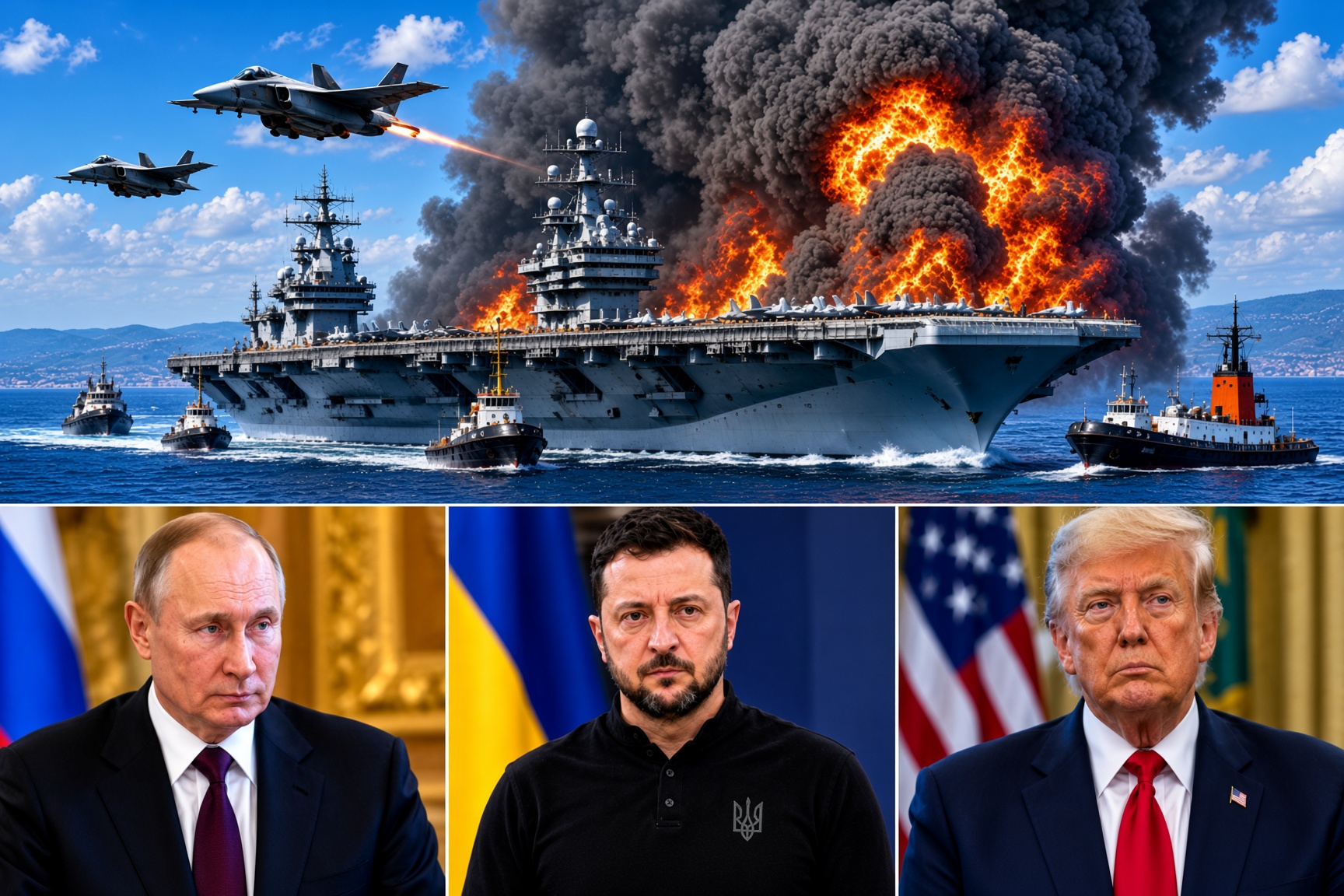
Shockwaves are reverberating through the global community after an attack reportedly carried out at such extreme velocity that sophisticated defensive systems failed to intercept it. The incident is feared to have caused catastrophic losses.
The breach of a high-value fortified target has triggered immediate and intense scrutiny from defense analysts. They are now grappling with the apparent failure of modern technology against emerging offensive capabilities. As governments have yet to issue official confirmation, a vacuum of verified information has been filled by rapid speculation across social networks.
This online frenzy has heightened existing tensions and fueled widespread concern over a possible escalation between major world powers. Geopolitical experts are urging caution, emphasizing the need to verify facts before conclusions are drawn in order to prevent the spread of misinformation that could trigger unintended diplomatic or military consequences.
Should the reports be confirmed, the incident would represent a pivotal shift in modern warfare. It underscores a stark reality: even the most secure military assets can be vulnerable to rapid-response strikes. Such a development would likely force a comprehensive overhaul of global military strategy and a rebalancing of power among nations.
For now, the international community remains on high alert. Investigators and think tanks continue to examine the available data, seeking to determine whether the event is an isolated anomaly or the opening of a dangerous new chapter in international relations.