Iran’s Supreme National Security Council announced on Sunday that Tehran and Washington have completed a memorandum of understanding intended to formally end their conflict after months of negotiations. In its statement, the council declared that all military operations across multiple theaters—including those involving Iranian-backed forces in Lebanon—would halt “immediately and permanently” starting Sunday night.
The council further stated that the United States would fully lift its naval blockade of Iran, with the measure taking effect at once, according to Iran International. Under the reported framework, talks on a broader and more comprehensive agreement will begin only after both sides fulfill the commitments set out in the initial memorandum. Iranian officials expressed appreciation to Pakistan and Qatar for their roles in facilitating the discussions and helping broker the understanding.
The memorandum is scheduled for formal signature on June 19. That step would open a 60-day negotiating window centered on Iran’s nuclear program and the terms of a wider long-term arrangement between the two countries.
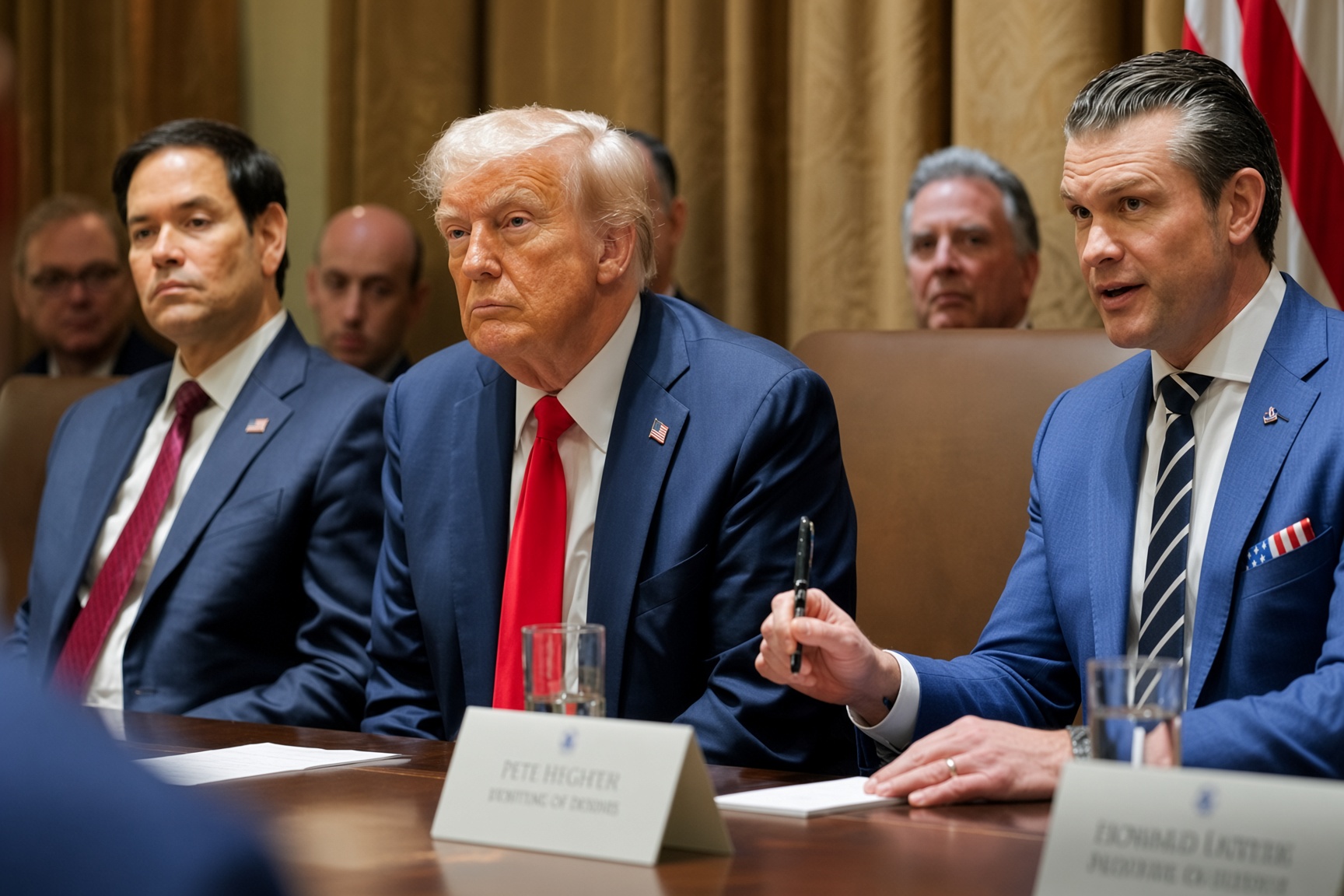
President Donald Trump confirmed the development on his Truth Social platform, writing: “The Deal with the Islamic Republic of Iran is now complete. Congratulations to all!” He added that he was authorizing the toll-free opening of the Strait of Hormuz and the immediate removal of the United States naval blockade. “Ships of the World, start your engines. Let the oil flow!” Trump stated.
In a subsequent post, the president said the agreement “will bring Peace and Security to the whole Region.” He noted that previous U.S. presidents had tried and failed to achieve peace with Iran, and that regional leaders had, “for the first time, found a President who can help them achieve real Peace.” Trump indicated that, with the strait’s opening upon signing of the deal on Friday for mine-removal purposes, oil would again flow in both directions for the region and the world.
German Chancellor Friedrich Merz welcomed the outcome. “I welcome the agreement between the U.S. and Iran and congratulate President Trump and the Iranian side on this diplomatic breakthrough,” Merz wrote on X. “This can pave the way for a reinvigorated global economy and a more secure Middle East. It is crucial to implement it with determination,” he added.
U.S. Ambassador Michael Waltz also praised the result, stating that the president had “put our country first and negotiated a peace deal that will keep us safe and prevent Iran from ever getting a nuclear weapon.” Waltz highlighted that Trump had maximized leverage from the outset, limited casualties, and applied credible military force to secure a favorable outcome. “This is one hell of a way to celebrate a birthday. Congratulations, Mr. President,” Waltz said.
Financial markets reacted swiftly. Oil prices fell to their lowest levels since March on Monday after Trump and Iran’s deputy foreign minister announced the agreement to end the conflict and restore normal shipping through the Strait of Hormuz. According to Reuters, Brent crude futures dropped $3.58, or 4.1 percent, to $83.75 per barrel by 12:04 a.m. GMT. U.S. West Texas Intermediate crude futures declined $4.01, or 4.7 percent, to $80.87 per barrel.
The decline extended a selloff from the end of the prior week, when both benchmarks had already fallen more than 3 percent on Friday as traders increasingly anticipated that easing Middle East tensions would reduce the risk of disruptions to global energy supplies.
The memorandum represents an interim step rather than a final settlement. Its success will depend on both sides meeting the initial commitments and then advancing the subsequent nuclear and long-term negotiations within the 60-day window. Markets and regional actors are now watching closely for concrete steps toward implementation, particularly the reopening of the strategically vital strait and the lifting of the naval blockade.