WASHINGTON — A divided federal appeals court delivered a significant setback to the Trump administration’s military personnel policies on Monday, ruling 2-1 that key portions of the Pentagon’s restrictions on transgender service members violate the Constitution. The U.S. Court of Appeals for the D.C. Circuit held that the rules appear driven by “the bare desire to harm a politically unpopular group” rather than legitimate concerns about military readiness, unit cohesion, or medical standards.
The panel’s decision immediately blocks the administration from discharging transgender service members who are already in uniform. At the same time, the court left in place—for now—the broader ban on most new transgender recruits while the larger legal fight continues. The ruling directly challenges Executive Order 14183, issued by President Donald Trump in January 2025, and the subsequent implementing guidelines issued by Secretary of War Pete Hegseth, widely known as the “Hegseth Policy.”
Under those rules, individuals with a history or diagnosis of gender dysphoria, or those who identify as transgender, are largely barred from military service unless they secure a rare waiver. The policy treats transgender identity itself as incompatible with service in most cases, a stance the majority found constitutionally flawed.
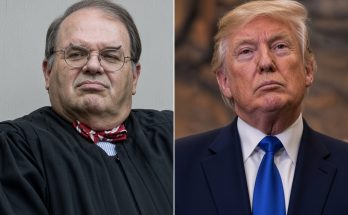
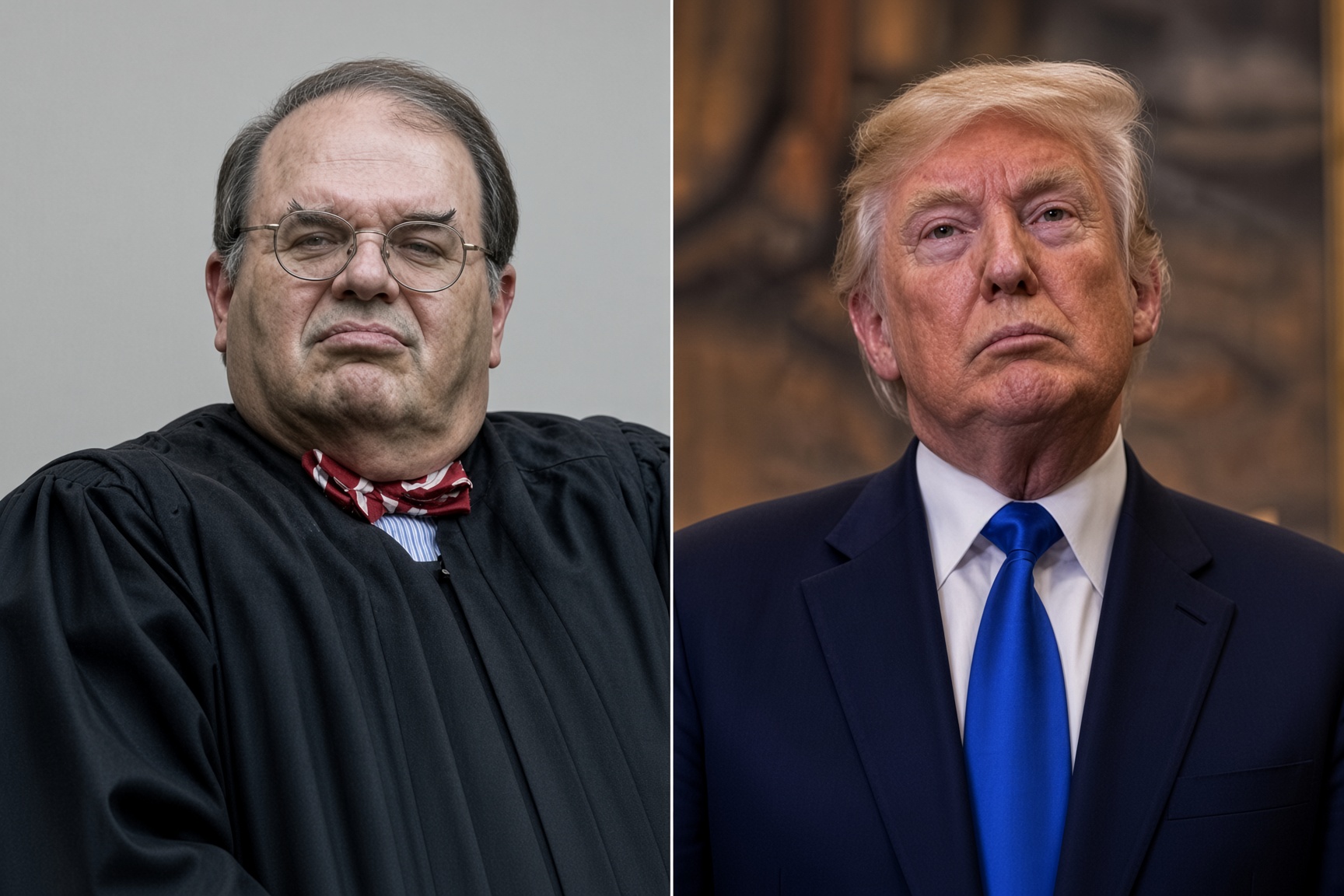
Writing for the majority, Circuit Judge Robert L. Wilkins concluded that the policy violates the equal protection component of the Fifth Amendment’s Due Process Clause. He wrote that the administration’s approach “went far beyond any legitimate military readiness concerns” and instead appeared “arbitrary and based on animus.” Wilkins emphasized that the record demonstrated an intent to target people who express what the administration views as a “false gender identity,” extending well beyond those currently or recently experiencing gender dysphoria.
“Some of those disqualifications are completely unexplained and have no reasonable justification,” the majority stated. The court observed that transgender troops had served openly and successfully for years under earlier policies, and that the administration had not shown their presence undermined deployability, readiness, or unit cohesion. The speed and aggressive scope of the new rules, the majority suggested, pointed more toward political motivation than carefully calibrated military necessity.
The case, Talbott v. United States, was brought by active-duty transgender service members and prospective recruits who argued that the policy arbitrarily ends their careers and blocks their opportunity to serve solely because of their identity. Advocacy organizations, including GLAD Law and the National Center for Lesbian Rights, described the ruling as an important recognition that the policy is discriminatory. They noted, however, that full relief for all affected individuals will likely require further litigation, including efforts to obtain class-action status.
The Department of War has defended the policy as essential to maintaining rigorous medical and fitness standards. Government lawyers argued that military service is a privilege, not a right, and that courts should defer to the professional judgment of military leaders and the executive branch on questions of who is fit to serve. They compared the restrictions to longstanding disqualifications for other chronic medical conditions, such as diabetes or certain heart conditions, and stressed the need for predictable deployability and unit cohesion, particularly amid global tensions.
Secretary of War Pete Hegseth, a vocal critic of what he has called “woke” policies in the armed forces, has framed the rules as a necessary return to a singular focus on combat effectiveness. After the decision, he signaled that the administration intends to keep fighting, with an appeal to the Supreme Court widely expected.
In dissent, the panel’s third judge argued that the majority had improperly second-guessed the specialized judgments of military commanders and the President on matters of national defense. The dissent contended that courts must afford the utmost deference to the executive branch in this domain, especially during periods of heightened geopolitical risk. Concerns about medical costs, deployment limitations, and the integration of transgender troops, the dissent maintained, constitute legitimate policy considerations even if they are politically contested. The dissenting opinion warned that the majority’s approach risks establishing a precedent of judicial intrusion into military affairs and undermines the armed forces’ authority to set strict, consistent fitness standards that disqualify thousands of Americans each year for a wide range of physical, psychological, and medical reasons.
For the moment, the practical effects of the ruling are partial. Current transgender service members—at least the named plaintiffs and others already serving—are protected from discharge under the challenged provisions. The enlistment ban, however, remains in force, meaning most transgender individuals seeking to join the military continue to face the restrictions. Both sides acknowledge that the litigation is likely far from finished. The administration is expected to seek either en banc review by the full D.C. Circuit or a direct appeal to the Supreme Court. Transgender advocates, meanwhile, continue pressing for broader class-wide relief that would extend protections and ultimately challenge the recruitment restrictions as well.
The decision highlights the ongoing tension between equal-protection claims and traditional doctrines of judicial deference to military expertise. While the majority viewed the policy as constitutionally impermissible animus, the dissent saw it as a permissible exercise of executive authority over force readiness. With the case now poised for further appellate review, the long-term standards governing transgender military service remain unresolved, and thousands of service members currently in uniform have obtained only a temporary but significant shield against involuntary separation.