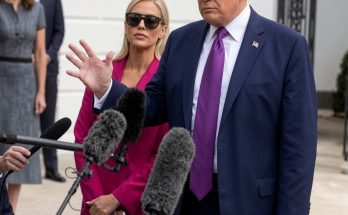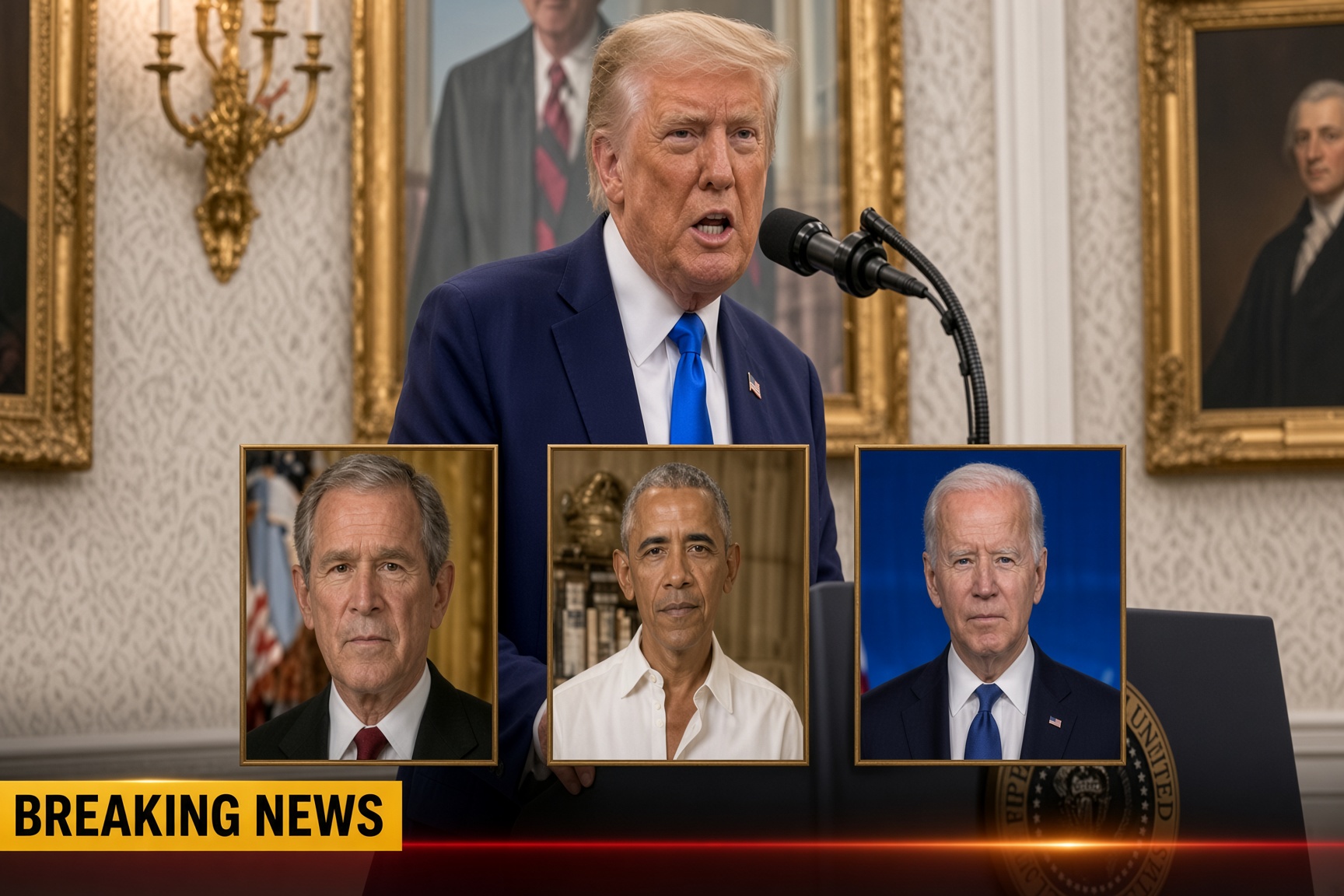
WASHINGTON — In an era of intensifying friction between the executive branch and the Fourth Estate, political rhetoric aimed at the press has moved beyond routine sparring and into open challenges to the media’s operational independence. During a recent briefing, former President Donald Trump issued a direct warning to the assembled press corps, stating that the institutional rules governing the news media were “going to change.”
The comment stood apart from ordinary disputes over policy, taxation, or foreign affairs. It focused instead on the legal protections, credentialing practices, and professional norms that have long limited executive interference with working journalists. For press-freedom advocates and First Amendment scholars, the remark marked a deliberate escalation: a shift from familiar political grievance toward the implied possibility of institutional retaliation against independent news organizations.
Media ethicists and First Amendment watchdogs caution that dismissing such statements as mere political theater risks normalizing the erosion of basic democratic safeguards. When political leaders suggest altering the legal and operational frameworks under which journalists work, the first obligation of the press is radical transparency about its own methods and purposes. Public-trust research consistently shows that confidence declines when newsrooms appear insulated, defensive, or unresponsive to legitimate reader concerns. An independent press does not exist to serve media companies; it exists to scrutinize institutional power, audit public spending, and expose official misconduct on behalf of the public. Historical experience demonstrates that once heads of state gain the ability to dictate permissible stories or control which reporters receive access, broader checks on state authority weaken rapidly.
In response to sustained political pressure, journalism advocates argue that newsrooms must reinforce methodological rigor in concrete ways. Exhaustive sourcing and verification require clear attribution, the publication of primary documents whenever possible, and a sharp reduction in reliance on anonymous sources. Rapid, visible, and unhedged correction protocols demonstrate accountability rather than defensiveness when errors occur. Transparency about reporting processes—explaining how investigative projects are conceived, vetted, and legally cleared before publication—demystifies editorial work and undercuts accusations of hidden agendas. By anchoring coverage in verifiable documentation, newsrooms can more effectively resist efforts to delegitimize critical reporting as partisan invention.
A second essential safeguard is institutional solidarity that crosses competitive lines. In ordinary commercial environments, news organizations compete fiercely for scoops, audience, and revenue. Legal scholars and media executives contend that existential threats to press freedom require a collective response. When political actors threaten individual reporters with credential revocation, selective exclusion, or costly lawsuits intended to exhaust resources, fragmented reactions leave each outlet exposed. National legacy publishers, regional broadcasters, nonprofit investigative units, and local independent outlets must therefore function as a coordinated defense network.
Such solidarity takes practical forms. Coordinated legal defense funds can pool resources to challenge unconstitutional gag orders, frivolous defamation actions, and subpoenas that seek to unmask confidential sources. Shared declarations and consistent pool-access standards reject any arrangement in which access is traded for favorable coverage, and they maintain uniform rotation rules even when individual outlets face political exclusion. Cross-outlet investigative collaborations ensure that high-impact public-interest reporting cannot be suppressed simply by targeting one newsroom. Organizations including the Committee to Protect Journalists, the Reporters Committee for Freedom of the Press, and the Freedom of the Press Foundation have stressed that an assault on any single journalist’s constitutional rights constitutes an institutional hazard for the entire profession.
The boundary between legitimate political criticism and state-directed coercion is set by the First Amendment. Political figures retain the right to dispute coverage, challenge interpretations, and offer alternative narratives. The Constitution, however, denies the executive branch authority to redefine or curtail the rights of an independent press. As political polarization deepens and rhetoric toward the media intensifies, the collective posture of news organizations will serve as a practical measure of democratic health. For the press corps, the mandate remains clear: report accurately, verify relentlessly, maintain transparent standards, and rest ultimately on the enduring constitutional protections that secure a free society.