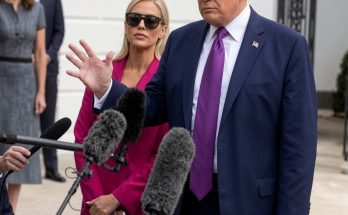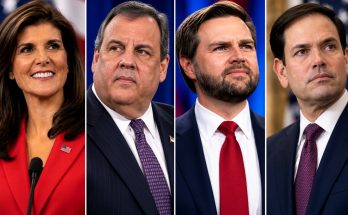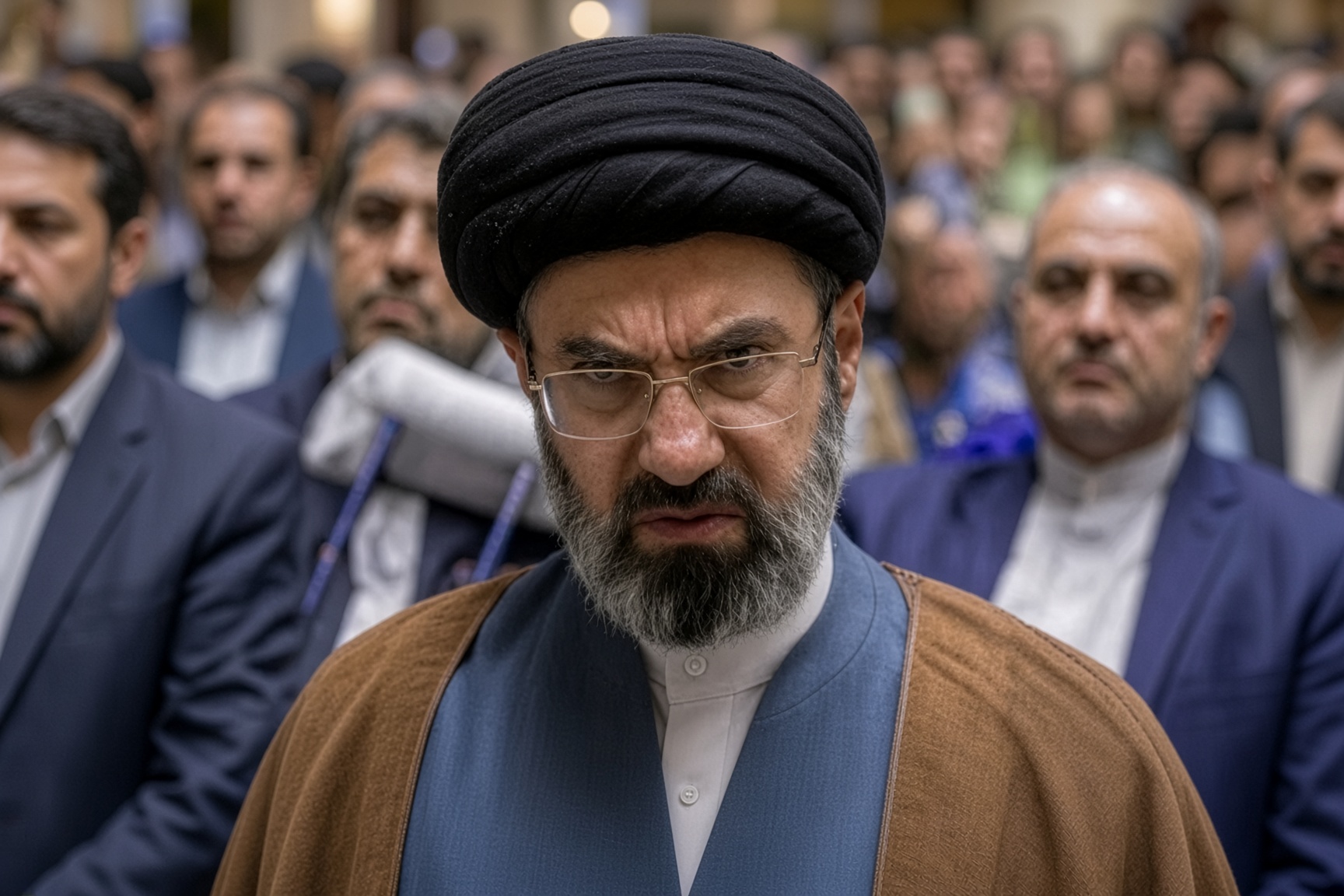
The Trump administration is pressing ahead with what officials describe as the final phase of talks aimed at ending the conflict with Iran. President Donald Trump, Vice President JD Vance, and Secretary of State Marco Rubio are leading the U.S. effort, with high-level discussions underway in Qatar. The negotiations seek a broad agreement covering Iran’s nuclear program, regional security, and freedom of navigation.
Speaking during a visit to India, Secretary Rubio restated the administration’s position that unrestricted passage through the Strait of Hormuz must be restored. He called any Iranian restrictions on maritime traffic unacceptable and said negotiators had made progress on a draft text. At the same time, he made clear the United States is prepared to abandon the talks if the final terms fall short of American objectives.
Military activity has continued alongside the diplomacy. U.S. Central Command recently carried out what it called self-defense strikes in southern Iran. Captain Tim Hawkins said the operations hit missile launch sites and Iranian vessels that U.S. officials alleged were attempting to lay naval mines near the port of Bandar Abbas. The strikes were described as a response to Iranian surface-to-air missile systems that had been directed at American aircraft and ships. The actions took place even though a ceasefire has been in effect for several weeks, underscoring the fragile conditions surrounding the negotiations.
At the center of the proposed agreement are limits on Iran’s nuclear activities. Under the framework under discussion, Iran would dispose of its stockpile of highly enriched uranium and suspend uranium enrichment for 20 to 30 years, subject to verification. In exchange, the United States would lift restrictions on shipping in the Strait of Hormuz and ease certain economic sanctions.
Administration officials say they want a more comprehensive and enforceable arrangement than the 2015 nuclear deal reached under President Obama. They argue any new agreement must permanently constrain Iran’s nuclear ambitions and improve regional stability. Iranian officials have acknowledged that progress has been made on a number of issues. Foreign Ministry spokesman Esmaeil Baqaei said understandings had been reached on many points but that substantial differences remained. He also accused the United States of shifting its negotiating positions during the talks.
Despite the remaining gaps, U.S. officials contend that the combination of diplomatic engagement and military pressure has improved the chances of a deal. The outcome remains uncertain as both sides continue to test whether a lasting resolution is possible.