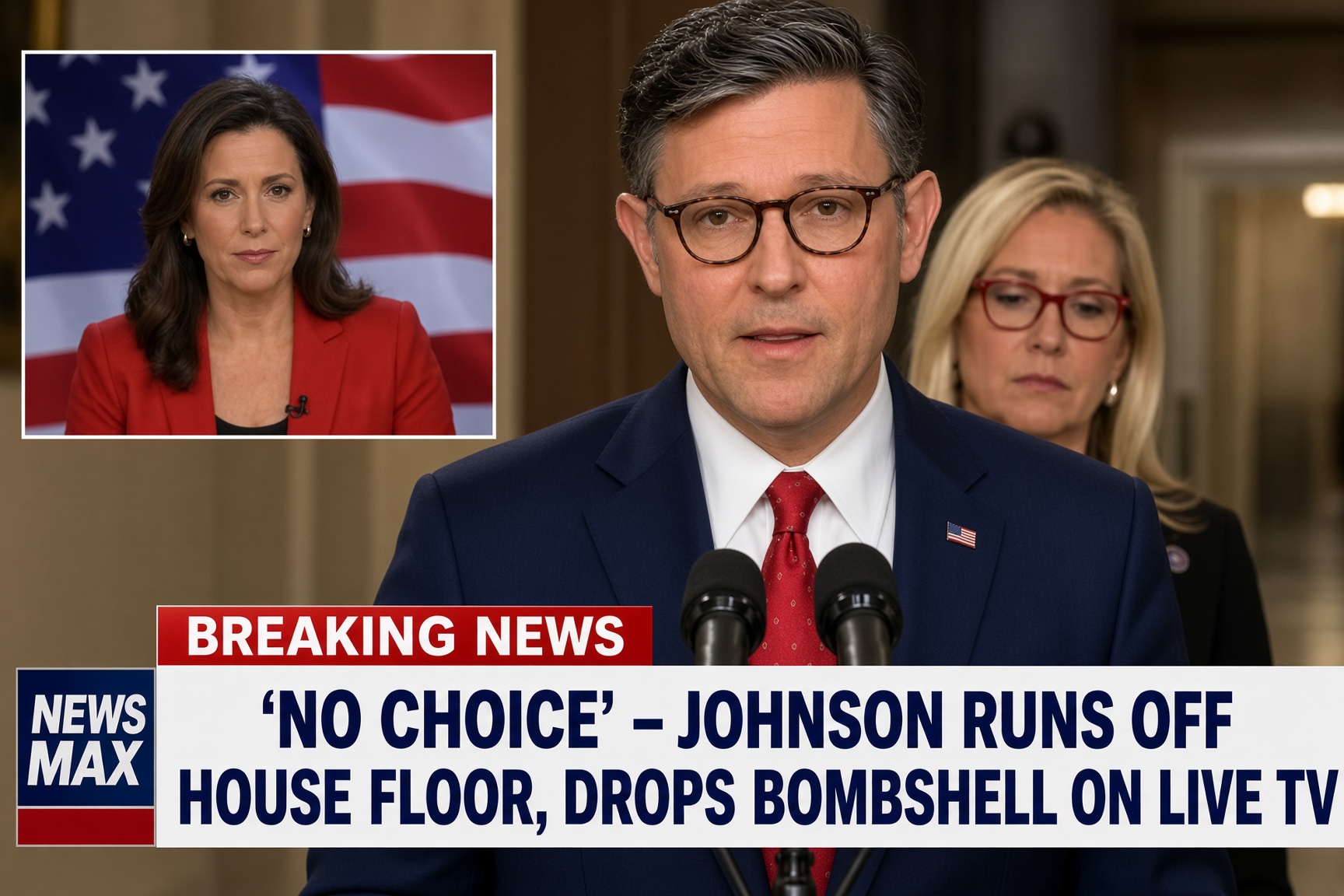
House Speaker Mike Johnson is advancing a procedural plan to force the Senate to confront the SAVE America Act by linking it to the must-pass National Defense Authorization Act. The move comes after hard-line conservatives in the House disrupted routine business, demanding more aggressive steps to advance the election measure that the chamber passed in February.
The SAVE America Act would require proof of U.S. citizenship to register to vote in federal elections and photo identification at the polls. Johnson’s strategy relies on an uncommon parliamentary device known as “MIRVing,” which would place both the NDAA and the election bill under a single rule for House floor consideration. “When Republicans vote for the rule, they’ll be voting not just for the NDAA and everything else that’s there, but they’ll be voting to merge onto that the SAVE America Act we passed back in February,” Johnson told reporters Monday. The goal is to send a combined package to the Senate and underscore House Republican commitment to election security. Opposing the rule, Johnson argued, would amount to voting against both the defense bill and the election measure.
The approach carries clear risks. Even if the House approves the merged package, the Senate could strip out the SAVE America Act during its own consideration. Attaching the election bill also raises the possibility of delays or complications for the NDAA, which authorizes military programs and defense spending each year.
Within the Republican conference, reactions have been mixed. Rep. Anna Paulina Luna argued that the procedural maneuver falls short because the Senate could still remove the election provisions. “MIRVing the NDAA plus either SAVE America or Voter I.D. would still allow the Senate to strip out either or,” she wrote on X. Luna instead urged Republicans to insert the language directly into the NDAA text through amendments, noting that the policy reflects the preferences of roughly 80 percent of Americans. Rep. Tim Burchett said he wanted to review the proposal in writing before taking a position. House Freedom Caucus Chairman Andy Harris, by contrast, indicated support for any serious effort to advance the legislation.
Democrats have long opposed the SAVE America Act, contending that it creates unnecessary obstacles to voting. They are widely expected to resist an NDAA that retains the election provisions. Republicans counter that the requirements are needed to ensure only U.S. citizens participate in federal elections. The House-passed version notably does not add new limits on mail-in voting, a priority for President Donald Trump.
Johnson’s plan highlights continuing friction inside the Republican ranks over how aggressively to use must-pass legislation to secure policy wins. As members review the details and negotiations proceed, the prospects for both the defense authorization bill and the election measures remain unsettled.