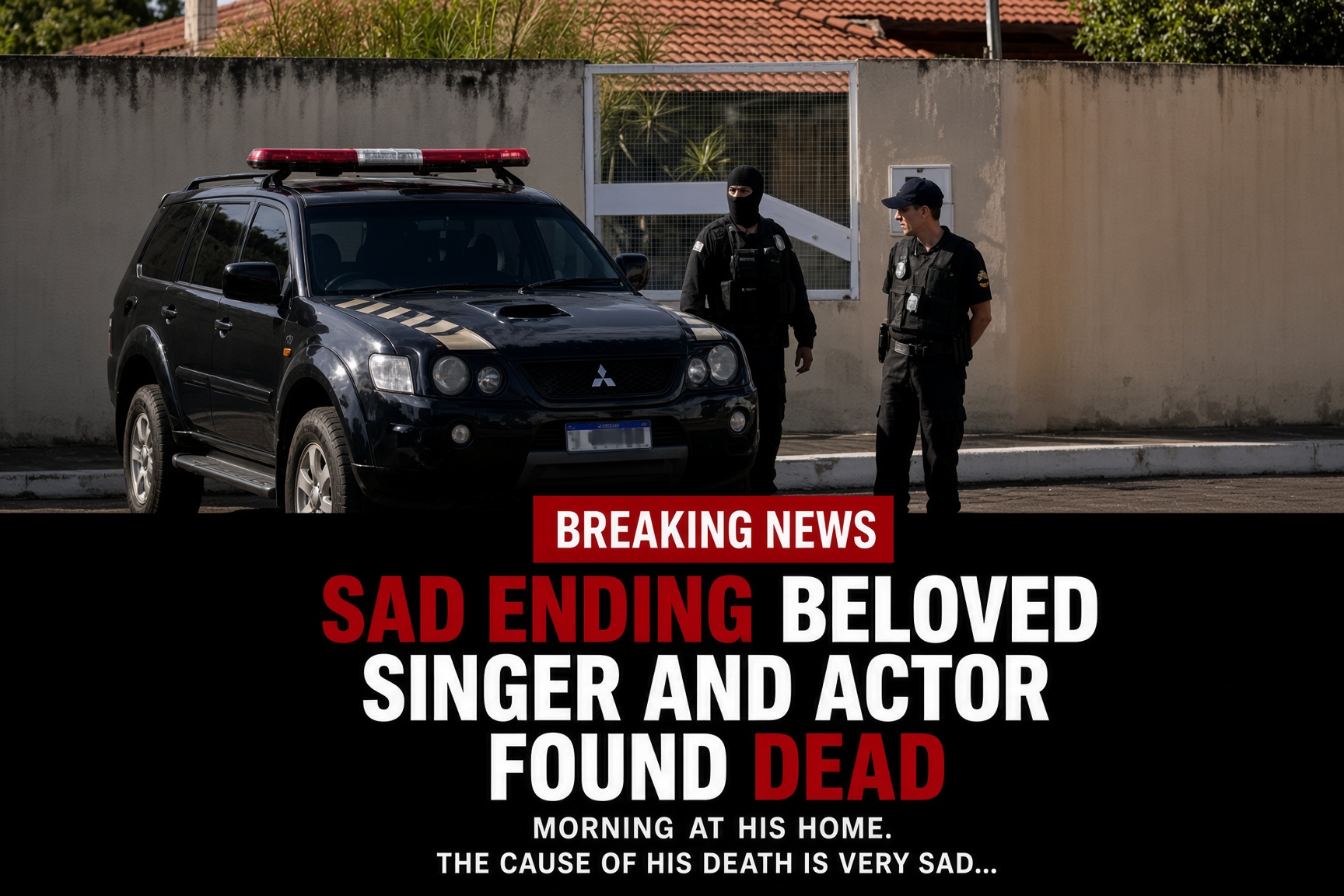
LOS ANGELES — Tributes poured in from across the globe after the sudden death of an acclaimed singer and actor at his private residence, leaving collaborators stunned, millions of fans in mourning, and the broader entertainment community confronting the invisible pressures of life under relentless public scrutiny.
First responders arrived following an emergency call for a welfare check. Paramedics pronounced him deceased at the scene. Authorities indicated that preliminary findings point to an apparent suicide, though official conclusions remain pending the completion of toxicology screening and formal certification by the county medical examiner.
Within hours, spontaneous memorials appeared outside cultural landmarks, soundstages, and historic music venues. Fans left flowers, handwritten lyrics, and candles, gathering in quiet vigils for an artist whose vocal range and understated dramatic presence shaped a generation.
His career bridged critical acclaim and commercial success. Breakthrough releases dominated charts, marked by raw emotional candor, soulful phrasing, and careful studio work. The catalog brought industry honors, multi-platinum certifications, and sold-out stadium tours on multiple continents.
He later moved into film and television, overcoming early skepticism with nuanced performances that revealed a grounded, vulnerable presence. Directors praised his intuitive emotional depth, noting that he brought authentic interiority to complex characters without theatrical excess.
Colleagues described a collaborator defined by professional discipline and quiet generosity toward crews and younger peers. “He possessed an extraordinary ability to make an audience of tens of thousands feel like they were sitting in a quiet room with an old friend,” said a longtime producer and creative partner. “The warmth he shared on stage was genuine, but the emotional cost of sustaining that standard while navigating the machinery of fame took a profound, quiet toll.”
In the aftermath, those closest to him have spoken of the exhaustion that accompanied his visibility. Despite a public image of grace and accessibility, peers recalled periods of withdrawal, late-night conversations heavy with creative disillusionment, and a fatigue that success did not ease. Quiet confessions and growing isolation marked his final months, raising difficult questions about the price of fame and the cost of silent struggle.
His death has renewed scrutiny of the psychological hazards in modern entertainment. Cultural analysts and mental health professionals note that 24-hour digital scrutiny, grueling tours, and relentless schedules often erode support networks. The contrast between public adoration and private isolation remains one of celebrity culture’s most painful paradoxes. Visibility can intensify stigma around depressive disorders, making pleas for help feel professionally risky.
Streaming platforms saw surges in his music, while retrospectives of his film work filled channels and columns. Fellow performers and civic leaders honored both his body of work and his discreet support for youth arts foundations and music education.
Suicide prevention networks and wellness groups used the moment to highlight available resources, urging friends, families, and colleagues to check in more deliberately. Advocates stressed that the circumstances must serve as a reminder to prioritize emotional well-being regardless of outward success.
Studio executives and label leadership confirmed that flags at multiple production lots would fly at half-mast, with retrospective tributes and memorial broadcasts planned in the coming weeks.
As investigators complete their work and his family prepares private services, the conversation has widened from celebrating his artistic footprint to examining empathy, vulnerability, and the obligation to support those suffering in silence. Vigils, tributes, and trembling voices have turned his story into a plea: listen more carefully, look more closely, and ask again whether someone is truly okay. His legacy now extends beyond music and film to a fragile reminder that every smiling face may conceal a breaking heart.
If you or someone you know is struggling or in crisis, help is available. In the United States, call or text 988 to reach the Suicide & Crisis Lifeline, available 24 hours a day, 7 days a week. Services are free, confidential, and available in English and Spanish.