Diplomatic Stalemate Delays Vance Mission to Islamabad as Iran Tensions Mount
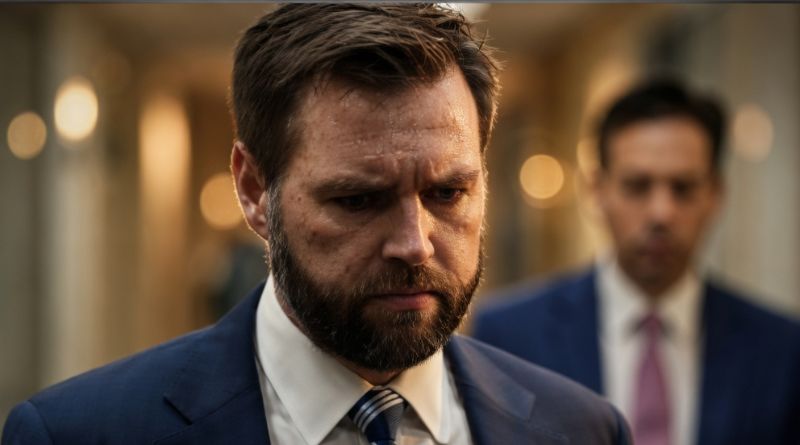
The Trump administration’s push for a lasting resolution to the Iran conflict hit a fresh obstacle Tuesday when Vice President JD Vance abruptly postponed his high-profile trip to Islamabad, Pakistan. Originally set to lead a senior negotiating team, Vance was recalled to the White House for urgent consultations after Iran failed to confirm whether it would send a delegation to the next round of peace talks.
CNN’s Alayna Treene, reporting to Wolf Blitzer and Pamela Brown, said the status of the mission remains uncertain. The delay underscores deep frustration in Washington following an earlier round of preliminary discussions in Pakistan earlier this month. Vance, joined by special envoy Steve Witkoff and senior adviser Jared Kushner, pressed Iran to abandon its nuclear weapons program—an “affirmative commitment” Tehran has so far refused to give. Vance described the impasse as a greater setback for Iran than for the United States, reflecting the administration’s strategy of sustained maximum pressure.
Meanwhile, U.S. Central Command has sharply intensified its maritime blockade in the Gulf of Oman. Naval forces have intercepted and diverted at least 28 vessels attempting to enter or leave Iranian ports. Officials warned that any ships currently in Iranian waters will be unable to exit once the blockade is fully enforced. The move aims to tighten the economic squeeze on Iran as the two-week ceasefire—brokered by Pakistan between the U.S., Israel, and Iran—approaches its Wednesday expiration.
In Islamabad, Pakistani officials continue their intensive mediation efforts. Information Minister Attaullah Tarar said facilitators remain in close contact with Tehran but are still awaiting a formal response on delegation attendance. Pakistani Deputy Prime Minister Ishaq Dar met with U.S. Chargé d’Affaires Natalie Baker, where he urged continued dialogue and a ceasefire extension to preserve regional stability.
Tehran’s tone has stayed defiant. President Masoud Pezeshkian used social media to mock the U.S. negotiating approach and Donald Trump personally, highlighting what he portrayed as a wide gap in understanding between the two sides.
President Trump has signaled little appetite for further extensions. In a recent CNBC interview, he insisted Iran must strike a deal promptly to restore its potential as a “wonderful nation.” With Vance coordinating next steps from the White House, the coming days will determine whether the Islamabad talks resume or whether the ceasefire’s end triggers renewed escalation in the Middle East.