Nation Grapples with Persistent Gun Violence as Another Series of Shootings Rocks Communities
WASHINGTON — In a country where mass shootings have become a grim routine, fresh incidents over the Memorial Day weekend have once again thrust the United States into a cycle of grief, investigation, and polarized debate over public safety.
On May 26, a shooting at a short-term rental property in West Dallas, Texas, left three people dead and one injured. Just a day earlier, gunfire erupted during a party in a garage in Philadelphia’s Olney neighborhood, wounding four people, including a 16-year-old boy. Other recent events include seven people shot outside a nightclub in Thibodaux, Louisiana, and six wounded in St. Louis County, Missouri.
These episodes add to a staggering national tally. According to trackers, the U.S. has recorded well over 100 mass shootings in 2026 so far, with hundreds killed and wounded. While definitions vary — the Gun Violence Archive counts incidents with four or more victims shot, excluding the shooter — the pattern is unmistakable: frequent bursts of lethal violence in homes, streets, parties, and public spaces.
Eyewitnesses and First Responders
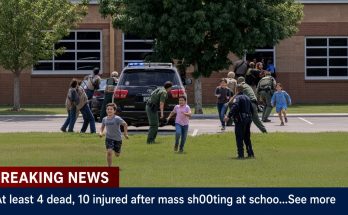
Eyewitness accounts from these scenes paint familiar pictures of sudden chaos. In Philadelphia, partygoers described hearing rapid gunfire that sent people scrambling for cover. First responders arrived within minutes, treating the wounded on site before rushing them to hospitals. Similar scenes unfolded in Dallas and elsewhere, with law enforcement securing areas and launching investigations into motives that often trace back to disputes, domestic issues, or undetermined causes.
Local officials have responded with statements of condolence and appeals for calm. “Our hearts break for the families affected by this senseless violence,” said a Dallas city spokesperson. Philadelphia police emphasized community cooperation to identify suspects, several of whom remain at large in related cases.
National Reaction and Debate
The incidents have triggered a familiar wave of reactions. Vigils have sprung up in affected cities, where mourners light candles, share stories of lost loved ones, and call for stronger prevention measures. Social media platforms overflow with messages of solidarity alongside frustration over the frequency of such events.
Advocates for stricter gun laws point to easy access to firearms, particularly among those with criminal records or mental health challenges, as a key factor. Groups like Moms Demand Action have highlighted clusters of shootings in states like Texas, urging legislative action on background checks and red-flag laws.
On the other side, proponents of Second Amendment rights argue that the solution lies in better mental health support, addressing urban crime, and ensuring law-abiding citizens can defend themselves. They contend that most gun owners are responsible and that focusing solely on firearms ignores deeper societal issues like family breakdown and cultural factors.
President and congressional leaders have offered standard statements of sympathy, but meaningful federal action remains elusive amid deep partisan divisions. Past efforts at compromise, such as the 2022 Bipartisan Safer Communities Act, expanded mental health funding and background checks modestly but left many calling for more comprehensive reforms.
Media’s Delicate Role
News organizations face the ongoing challenge of covering these tragedies without sensationalism. Responsible outlets prioritize verified facts, victim stories, and context while avoiding graphic details that could inspire copycats. Journalists also highlight the human toll: families shattered, communities on edge, and survivors facing long roads to recovery.
Turning to Faith and Community
In the aftermath, many Americans seek solace in faith communities. Churches, mosques, and synagogues have hosted prayer services, drawing on biblical themes of comfort, resilience, and justice. “Even in darkness, hope endures,” one pastor told mourners, echoing a widespread yearning for healing.
Community leaders stress the importance of local support networks — counseling services, youth programs, and neighborhood watch initiatives — as essential complements to policy debates.
Looking Forward
As investigators continue their work on the latest cases, the broader question lingers: How can the nation reduce these recurring tragedies? Experts call for multifaceted approaches: improved mental health access, economic opportunity in high-violence areas, responsible gun ownership education, and data-driven policing.
Healing will require more than statements. It demands sustained dialogue, evidence-based policies, and a collective commitment to protecting the vulnerable while preserving constitutional rights. For now, families in Dallas, Philadelphia, and beyond face empty chairs at dinner tables — a painful reminder that, for too many, an ordinary day can end in unimaginable loss.