Israel on Heightened Security Alert as Regional Tensions Escalate
Jerusalem — Israeli authorities have placed the country under heightened security alert amid renewed threats from multiple fronts, primarily involving Hezbollah militants in Lebanon and lingering risks tied to Iran.
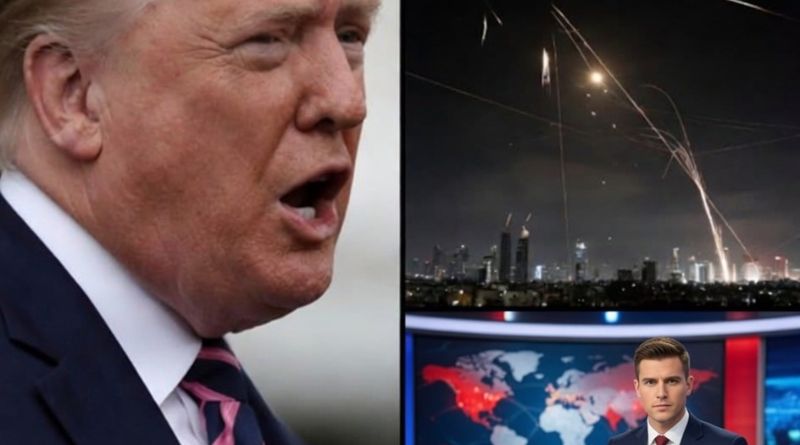
Defense officials confirmed increased military readiness, including the activation of advanced air defense systems, enhanced intelligence coordination, and bolstered emergency response protocols. The moves come as the Israel Defense Forces (IDF) continue operations in southern Lebanon following violations of a fragile U.S.-brokered ceasefire established in April. Recent days have seen rocket barrages and drone attacks triggering sirens across northern Israel, with the IDF responding through targeted airstrikes on militant infrastructure.
Civil defense authorities have issued advisories to residents in major cities and border areas, urging them to stay informed via official channels and prepare for potential disruptions. “These precautionary measures are designed to safeguard civilians while we monitor evolving threats,” a military spokesperson stated. Protective systems, including the Iron Dome and other multi-layered defenses, remain on high readiness.
The current tensions fit into the broader pattern of instability that has defined the region for decades. Longstanding disputes, territorial claims, and proxy conflicts involving state and non-state actors continue to fuel volatility. While a direct large-scale confrontation with Iran has been averted for now, Israeli intelligence continues to track potential proxy activities and ballistic missile threats.
Prime Minister Benjamin Netanyahu’s government has emphasized a dual-track approach: maintaining robust defense capabilities while keeping diplomatic channels open with international partners, including the United States. Global leaders and the United Nations have called for restraint, warning that further escalation could lead to significant humanitarian consequences for civilians on all sides.
Security analysts note the challenges of operating in an environment where responsibility for incidents can be difficult to attribute quickly. Communities in northern Israel face repeated disruptions, with many residents relying on public shelters. Similar strains affect populations in Lebanon caught in the crossfire.
As the situation develops rapidly, Israeli officials stress vigilance without panic. International travel advisories from the U.S., UK, and other nations reflect the unpredictable security environment, recommending heightened caution for those in or traveling to the region.
While pathways for de-escalation through diplomacy remain active, the coming days will test whether security measures and international engagement can prevent a wider outbreak of hostilities. Officials continue to monitor developments closely.