President Trump Addresses Questions on October MRI Scan as Calls Grow for Greater Health Transparency
WASHINGTON — President Donald Trump pushed back against questions about advanced imaging conducted during a follow-up medical examination in October 2025, describing the results as “outstanding,” “excellent,” and “perfect” while offering limited details on the procedure.
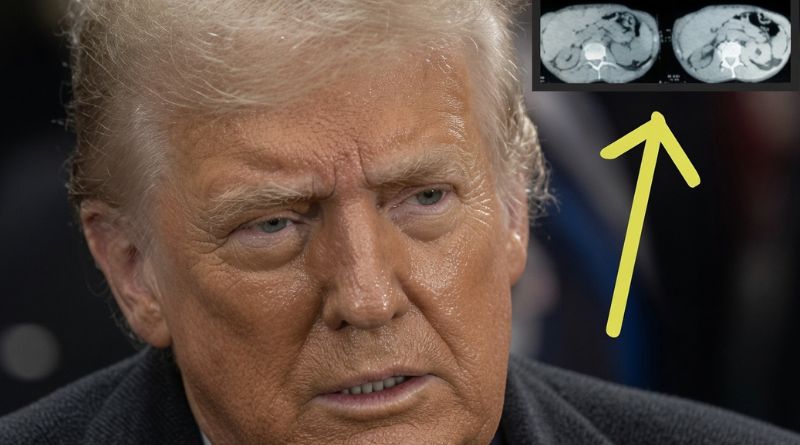
The imaging took place at Walter Reed National Military Medical Center on October 10 during what the White House initially described as a routine follow-up physical. Trump first disclosed the scan aboard Air Force One, telling reporters he had undergone an MRI as part of “advanced imaging” but saying he had “no idea” which part of his body was examined. He later sparred with journalists pressing for more specifics and offered to release fuller results if formally requested.
In early December 2025, the White House released a memo from Physician to the President Dr. Sean Barbabella clarifying that the scans focused on the cardiovascular system and abdomen. According to the memo, the results were “perfectly normal,” with no evidence of arterial narrowing, inflammation, clotting, or abnormalities in major organs. Barbabella described the tests as precautionary and standard for men in Trump’s age group, noting they provide thorough preventative evaluation of heart and abdominal health.
Subsequent clarifications from both Trump and the White House indicated the procedure was a CT scan rather than an MRI, a distinction that added to public confusion and media scrutiny.
The episode has reignited longstanding debates over presidential medical transparency. Critics argue that initial vagueness from the administration erodes public trust, particularly for the oldest president in U.S. history. Supporters counter that the questions are politically motivated, pointing to Trump’s reported high energy levels, previous clean physicals, and the doctor’s conclusion that he remains in “excellent health” and “fully fit” to execute the duties of the presidency.
The White House has maintained that the October visit was an “expanded wellness evaluation” ahead of a demanding schedule. While detailed raw imaging data has not been publicly released, administration officials emphasize that Trump continues to perform at a high level.
As the presidency progresses, the controversy underscores the tension between medical privacy and the public’s expectation of openness regarding the commander-in-chief’s health. The administration says no further disclosures are planned unless additional concerns arise.