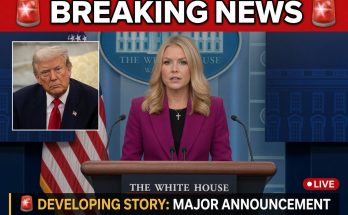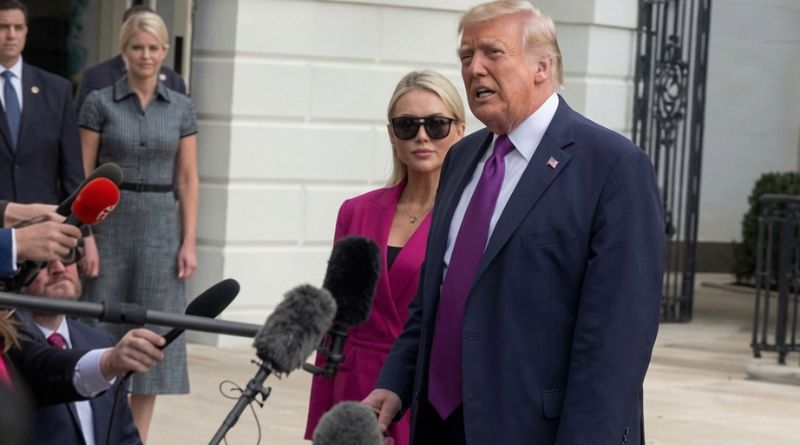
In a historic first for the United States, federal prosecutors on Thursday charged former President Donald Trump with conspiring to defraud the United States, obstruct the certification of the 2020 presidential election, and interfere with voters’ constitutional rights.
The indictment, filed by Special Counsel Jack Smith, alleges that Trump and his allies orchestrated a coordinated effort to overturn the election results and disrupt the peaceful transfer of power to President-elect Joe Biden. Prosecutors claim the actions went beyond political rhetoric, involving false claims of widespread fraud, pressure on state officials, and the creation of alternate slates of electors.
The case centers on events between November 2020 and January 6, 2021, marking the first time a former U.S. president has faced federal criminal charges related to actions taken in the aftermath of leaving office.
The development has sharply divided the nation. Supporters of the prosecution view the charges as a necessary affirmation that no one is above the law, while Trump and his allies denounce the case as politically motivated lawfare designed to undermine his 2024 presidential campaign.
As the case advances through the courts, legal experts say the proceedings could have far-reaching consequences for presidential accountability, the limits of executive power, and public confidence in American democratic institutions. The trial is expected to draw intense scrutiny as it balances questions of evidence, intent, and constitutional boundaries.