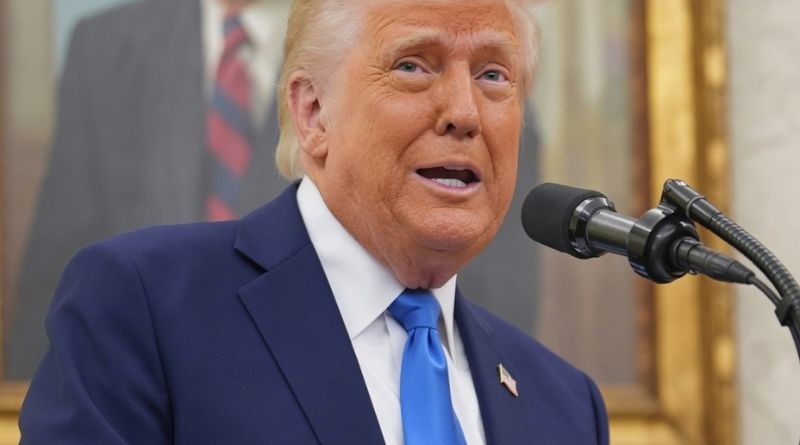
The room fell silent as former President Donald Trump told reporters that the press itself “was going to change.” Not policy proposals or foreign conflicts — but the journalists, their work, and their future. The remark, delivered during a recent press interaction, left many in the room stunned, with some immediately typing notes as the boundary between criticism and potential retaliation appeared to blur.
Media organizations and press freedom advocates are treating the statement as more than a typical soundbite. They warn that when leaders suggest they will reshape how journalism operates, it raises serious questions about the role of an independent press in American democracy.
Journalists and First Amendment scholars emphasize that a free press exists to hold power accountable, protect public interest, and ensure citizens have access to information beyond official channels. History shows that democracies weaken when governments begin determining which stories are permissible, they argue.
The response from the press has been twofold. First, news outlets are doubling down on transparency: rigorously explaining their reporting processes, correcting errors quickly, and maintaining high standards even under pressure. Second, newsrooms across the competitive landscape are calling for greater solidarity — including joint statements, coordinated legal strategies, and unified resistance to any potential gag orders, access restrictions, or blacklisting.
“The Constitution protects a free press, and we will defend that principle,” one industry leader said. While robust criticism of media performance remains part of public discourse, threats perceived as intimidation are prompting a firm, collective stand in defense of independent journalism.