H-1B Visa Program Faces Renewed Scrutiny as India Fake-Degree Scandal Exposes Systemic Vulnerabilities
A sweeping fraud investigation in India has reignited debates over the integrity of the U.S. H-1B visa program, prompting lawmakers and state officials to demand stricter credential verification and tougher enforcement against abuse.
Indian authorities recently seized more than 100,000 counterfeit degree certificates linked to at least 28 alleged “universities” or institutions. One major operation alone is accused of producing and distributing over 36,000 fake degrees, with forged credentials reportedly sold for as little as $1,400 each. The counterfeit documents spanned fields such as engineering, medicine, nursing, and technology — precisely the specialty occupations the H-1B program is designed to support.
Sen. Eric Schmitt (R-Mo.) seized on the revelations, calling for federal prosecutions of anyone who used fraudulent credentials to obtain immigration benefits. “Authorities busted a massive fake degree racket: 100k+ counterfeit certificates seized from 28 ‘universities’ in India,” Schmitt posted. “One mill sold 36k fakes for as little as $1,400 each. It’s time to prosecute those who broke the law.”
The scandal has raised alarms about whether some of these bogus qualifications made their way into H-1B visa applications. The H-1B program, established under the Immigration and Nationality Act, allows U.S. employers to hire foreign workers in specialty occupations that require theoretical and practical application of highly specialized knowledge. Supporters argue it fills critical talent shortages in sectors like information technology, engineering, and healthcare, enabling American companies to remain competitive in the global economy.
Critics, however, contend the program is rife with exploitation. They point to data suggesting a significant portion of H-1B visa holders end up in entry-level or junior roles rather than truly specialized positions. This practice, they argue, displaces American workers, suppresses wages, and undermines the program’s original intent. Concerns have grown amid reports that India accounts for roughly 70% of H-1B filings, amplifying worries about verification processes for foreign credentials.
The latest developments coincide with a high-profile investigation in Texas. Attorney General Ken Paxton has issued Civil Investigative Demands to nearly 30 North Texas businesses suspected of H-1B visa fraud. Companies under scrutiny include Tekpro IT LLC, Fame PBX LLC, 1st Ranking Technologies LLC, Qubitz Tech Systems LLC, Blooming Clouds LLC, Virat Solutions Inc., Oak Technologies Inc., Techpath Inc., and Techquency LLC.
Investigators allege several firms operated “ghost offices” — sham operations that falsely represented active business activities to sponsor foreign workers. Paxton has demanded extensive records, including employee rosters, financial statements, documentation of products and services, and internal communications. “I will not allow the H-1B program to be abused by bad actors seeking to use it as a loophole for allowing foreign nationals to invade Texas,” Paxton stated. “My office will continue working to uncover and put an end to fraud within the H-1B program.”
Legal experts emphasize that submitting fraudulent degrees in support of visa applications constitutes a serious federal offense, potentially leading to visa revocation, deportation, and criminal prosecution. Such actions not only erode public trust in the immigration system but also disadvantage legitimate applicants who meet the program’s rigorous standards.
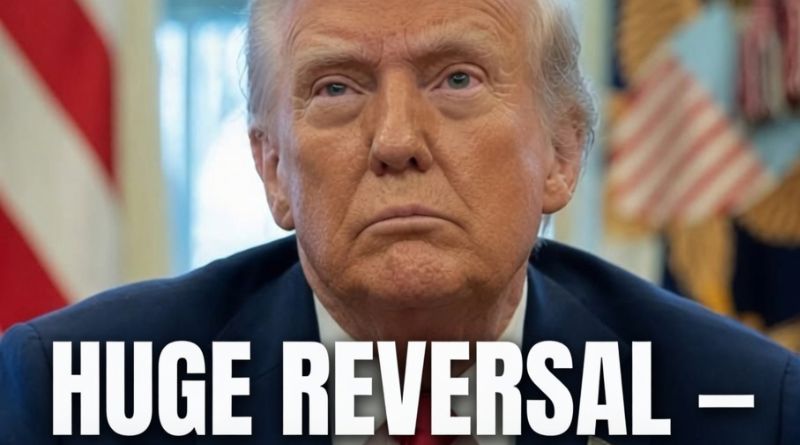
The Trump administration has consistently advocated for reforms to employment-based visa programs. Officials stress that H-1B visas should be reserved exclusively for roles that cannot be filled by qualified American workers, with enhanced oversight to prevent labor substitution and ensure wage protections.
As investigations on both sides of the globe continue, the dual probes underscore broader questions about the federal government’s ability to verify foreign educational credentials. Lawmakers from both parties are expected to push for legislative measures, including stronger partnerships with foreign governments and advanced vetting technologies, to safeguard the program’s integrity while preserving its value for genuine high-skilled immigration.