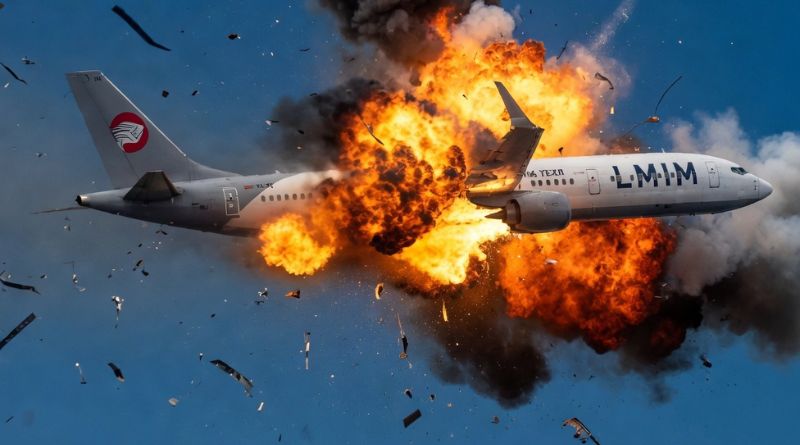
One year after a Boeing 787-8 Dreamliner operating as Air India Flight AI171 plummeted to the ground just 32 seconds after takeoff, killing 260 people, the search for definitive answers continues. The June 12, 2025, tragedy remains one of India’s deadliest aviation disasters, with investigators still analyzing critical evidence amid growing frustration from victims’ families.
The aircraft, registration VT-ANB, departed Sardar Vallabhbhai Patel International Airport in Ahmedabad bound for London Gatwick with 230 passengers and 12 crew members on board. Shortly after rotation and liftoff, both engines lost thrust following the near-simultaneous movement of the fuel control switches from “RUN” to “CUTOFF,” according to the preliminary report released by India’s Aircraft Accident Investigation Bureau (AAIB) in July 2025. The plane crashed into student hostels at the Byramjee Jeejeebhoy Medical College, approximately 1.7 km from the runway end, triggering a massive fireball.
Of those aboard, 241 perished, with only one passenger surviving. On the ground, 19 people were killed and dozens more injured in the densely populated area. The intense post-crash fires, reaching temperatures estimated at 1,500°C, complicated recovery and identification efforts.
Ongoing Probe and Key Questions
The AAIB, assisted by the U.S. National Transportation Safety Board (NTSB), Boeing, and GE Aerospace, recovered the flight data recorder and cockpit voice recorder shortly after the crash. The preliminary report highlighted the abrupt fuel cutoff but stopped short of assigning cause, noting no obvious mechanical failures, maintenance issues, bird strikes, or weather anomalies at the time.
Debate has centered on whether the switch movement resulted from human action, a system glitch (including possible software or electrical issues), or another factor. Some analyses of CCTV footage and recorder data suggest the Ram Air Turbine (RAT) deployed automatically shortly after the power loss, potentially supporting arguments for a systemic failure rather than deliberate pilot input. However, no consensus has emerged.
On the first anniversary, the AAIB issued an interim statement acknowledging “significant progress” in examining flight recorder data, aircraft systems, engine components, maintenance records, and human factors. A final report, expected to undergo international review, has been delayed, with some indications it could arrive within months once engine examinations in the U.S. are complete.
Air India, part of the Tata Group, has implemented enhanced safety protocols, mental health support for crew, and fleet-wide reviews. The airline and authorities have urged the public to avoid speculation while the investigation proceeds according to ICAO standards.
Aviation Safety Implications
This incident marked the first hull loss for the Boeing 787 Dreamliner, a model previously regarded as highly reliable. The crash has prompted broader scrutiny of aircraft systems, pilot training, and emergency procedures across the industry. Regulators continue to monitor for any fleet-wide concerns.
As the one-year mark passes, memorials and moments of silence honored the victims. Families, including those who lost multiple relatives, continue to seek closure. Support services remain available, but many express impatience with the pace of the inquiry.
The thoughts of the global aviation community remain with the survivors, bereaved families, first responders, and all affected by this profound loss. Authorities pledge that lessons learned will strengthen safety protocols to prevent similar tragedies in the future.