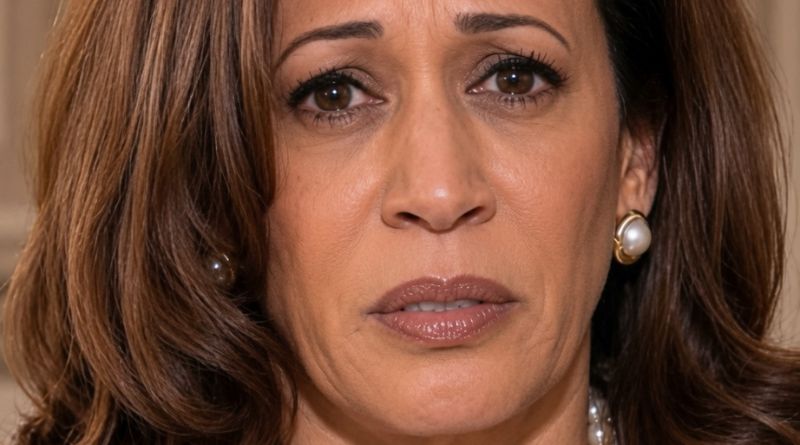
Vice President Kamala Harris officially clinched the Democratic Party’s presidential nomination, ushering in a new chapter in the 2024 election cycle and igniting what promises to be one of the most intense campaigns in recent American history.
The milestone is historic: Harris becomes the first woman of color to lead a major U.S. political party’s presidential ticket. Delegates responded with sustained applause and visible enthusiasm, projecting a sense of unity as the party consolidates behind its new standard-bearer heading into the general election.
The rapid shift follows President Joe Biden’s decision to step aside and throw his full support behind his vice president. The transition unfolded swiftly, forcing party leaders to adapt in real time while working to maintain continuity with the current administration’s agenda. It represents both a pragmatic recalibration and a vote of confidence in Harris’s ability to steer the campaign forward.
Defining Issues Emerge
The Harris campaign is expected to place several core priorities at the forefront: reproductive rights, economic fairness, expanded healthcare access, and aggressive climate policy. These themes will not only shape the Democratic messaging but also serve as clear points of contrast against Republican positions in the months ahead.
Supporters portray Harris as uniquely positioned to assemble a broad coalition that includes younger voters, communities of color, and other key demographics. Her experience in national leadership roles is being emphasized as a steadying force at a time when voters seek clarity and direction amid economic and global uncertainties.
Formidable Challenges Remain
Despite the momentum, the path forward is far from smooth. The campaign must preserve internal party cohesion while reaching undecided and independent voters whose priorities may not fully align with the Democratic platform. Opponents are already framing the contest as a direct referendum on the Biden-Harris administration’s record, sharpening the ideological and policy divides.
Public reactions across the nation have been swift and deeply polarized. For many Americans, the nomination symbolizes progress, inclusion, and new possibilities. For others, it raises concerns about leadership continuity, policy direction, and the country’s future trajectory. These contrasting views highlight the profound divisions that continue to define the American political landscape.
As attention turns toward Election Day, the Harris campaign faces the critical tasks of building broader trust, sharpening its strategic message, and engaging voters with substance over spectacle. In a race expected to test the nation’s fault lines, the ultimate outcome will depend on those who carefully evaluate the competing visions for America’s path forward.