Kamala Harris Election Loss Analysis Points to Strategy Issues
Following Kamala Harris’s decisive defeat by Donald Trump in the 2024 presidential election, a wave of recriminations and soul-searching has swept through Democratic circles, exposing deep divisions over the campaign’s shortcomings. While some allies have pointed fingers at the timing of President Joe Biden’s late withdrawal from the race, many former staffers and insiders reject that narrative, instead placing blame on fundamental strategic miscalculations that left the campaign disconnected from key segments of the electorate.
Insiders described a campaign that fundamentally misunderstood the evolving political landscape. From the outset, Harris’s team operated under the assumption of strong, inherited support from the Biden coalition without conducting thorough verification through polling or ground-level feedback. Rather than adapting to the realities of a fresh candidacy, strategists treated Harris’s bid as a seamless continuation of the existing administration’s framework. This approach, critics say, prevented necessary adjustments in messaging, outreach, and resource allocation as voter sentiment shifted.
Willie Brown Delivers Sharp Critique
One of the most pointed assessments came from former San Francisco Mayor Willie Brown, a longtime Democratic power broker and former mentor to Harris. In post-election commentary, Brown argued that the campaign repeated the mistakes of Hillary Clinton’s 2016 run by failing to confront difficult realities early on.
“They didn’t question assumptions,” Brown said. He contended that the team ignored clear warning signs and overlooked lessons from past Democratic defeats, prioritizing internal optimism over data-driven realism. Brown’s critique, delivered without apparent malice, reflected broader frustration among some party veterans who watched the campaign struggle to gain traction.
Messaging and Identity Challenges
Central to the campaign’s difficulties, according to multiple accounts, were persistent messaging and identity problems. Harris’s team attempted to appeal to a broad array of demographic groups simultaneously — progressives, moderates, minorities, and suburban voters — but this strategy often resulted in a diluted message that left many unclear about her core priorities and vision.
Significant energy was devoted to defending Biden’s record on issues like the economy and foreign policy, limiting opportunities to define Harris as a distinct leader capable of delivering change. Voters, particularly in battleground regions, appeared torn between viewing her as an extension of an unpopular administration or as a fresh alternative. In contrast, Trump’s campaign maintained a laser-focused, consistent message that resonated with his base and framed Harris as inexperienced, disconnected from everyday concerns, and emblematic of Washington’s failures.
Trump Campaign Seizes Advantage
Trump’s operation capitalized effectively on these vulnerabilities. His rallies consistently drew large, energized crowds, while his messaging hammered on themes of border security, economic recovery, and skepticism toward establishment politics. Harris’s momentum, already fragile, continued to erode as the race progressed. Insiders acknowledged that optimism within the campaign frequently outweighed available data, creating dangerous blind spots in critical states and among pivotal voter blocs.
Final Weeks Expose Strategic Gaps
The campaign’s final stretch laid bare these weaknesses. Resources were stretched thin, with some key battleground states receiving insufficient attention. Outreach efforts targeting rural voters, Latino communities, and younger demographics came belatedly, often after enthusiasm had already waned. Local concerns were frequently overshadowed by national talking points, and by the time tactical adjustments were attempted, the window for recovery had closed.
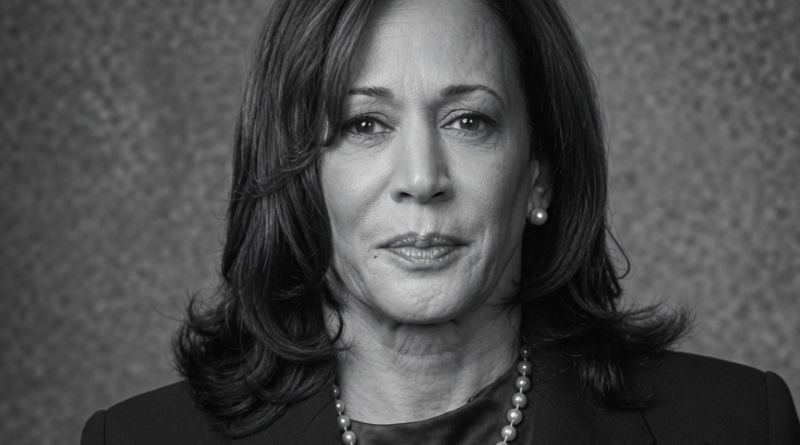
Reports from election night described an emotional scene as results poured in. Harris was seen wiping away tears, a moment that captured the personal and symbolic weight of the loss for the first woman of color to top a major party ticket. Supporters offered public empathy, but behind the scenes, internal reflections intensified.
Brown’s comments echoed ongoing concerns within the party, emphasizing the need for greater realism, adaptability, and willingness to challenge assumptions in future campaigns. As Democrats grapple with the aftermath, the Harris loss analysis underscores not only the impact of timing but deeper failures to connect with a changing electorate and respond nimbly to a formidable opponent.
The post-election examination continues to fuel debate, with implications likely to shape the party’s direction heading into future cycles.