A wave of viral social media posts and sensational online headlines claiming that South Korea had authorized a military attack on another nation has been firmly refuted by officials and independent verification, underscoring the persistent challenge of disinformation in an already volatile East Asian security environment.
The unsubstantiated reports, which spread rapidly across platforms in recent days, alleged that the South Korean government had greenlit offensive operations, igniting fears of broader conflict, public anxiety, and heated online debates. Many posts lacked credible sourcing, relying instead on anonymous accounts or clickbait-style framing designed to provoke engagement. However, thorough checks from official channels and major international news organizations confirm that no such military order was issued or contemplated.
South Korean authorities have moved quickly to address the falsehoods. Government spokespeople and defense ministry officials reiterated that Seoul remains focused on defensive preparedness, diplomatic engagement, and regional stability rather than any aggressive posture. “Our priority is monitoring developments, ensuring citizen safety, and pursuing peaceful resolutions through international cooperation,” a senior official stated, emphasizing adherence to established protocols for any military activity.
Context of Heightened Tensions
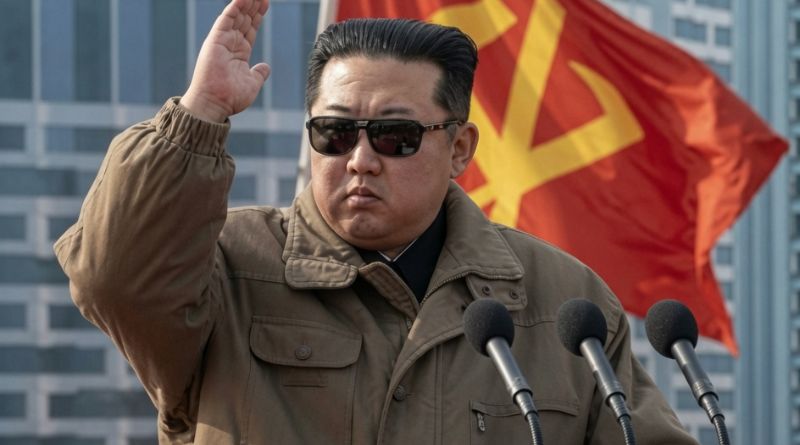
East Asia continues to grapple with longstanding security concerns, particularly on the Korean Peninsula. North Korea has ramped up missile tests, rhetoric, and military activities in recent years, prompting routine South Korean and U.S. alliance responses centered on deterrence and readiness. Joint exercises like Freedom Shield have drawn criticism from Pyongyang, but these are framed as defensive by Seoul and Washington.
Against this backdrop, the false narrative tapped into public sensitivities about potential escalation. Analysts note that such rumors often surface during periods of geopolitical strain, amplified by broader patterns of disinformation observed in South Korea and beyond. Recent months have seen increased government attention to fake news, with President Lee Jae-myung publicly vowing tough measures against deliberate spreaders of false claims.
This is not an isolated incident. South Korea has a documented history of battling online falsehoods, from election-related conspiracies to health misinformation during the COVID-19 pandemic. Past efforts included public fact-checking initiatives, partnerships with platforms, and legislative proposals — though these have sometimes sparked debates over press freedom and free speech.
How Misinformation Proliferates
Experts identify several drivers behind the rapid dissemination of such claims. Social media algorithms prioritize high-engagement content, often favoring emotionally charged or alarming posts over verified reporting. Fear of conflict acts as a powerful multiplier, encouraging users to share before confirming details. Additionally, some actors — whether for financial gain through clicks or more malicious intent — exploit these dynamics with fabricated stories.
In South Korea, where smartphone penetration and social media usage are among the world’s highest, the speed of spread can be particularly acute. Platforms like KakaoTalk and global networks have previously been vectors for rumors during crises, leading authorities to enhance monitoring and public education campaigns.
The Imperative of Trusted Sources
Journalists and fact-checkers stress the importance of turning to reliable outlets during uncertain times. Official government releases, statements from the Ministry of National Defense, and reporting by established agencies such as Reuters, the Associated Press, BBC, and Yonhap provide the most accurate picture. Independent analyses from think tanks and military scholars further contextualize developments without hype.
South Korean officials have consistently advocated for calm. They highlight ongoing diplomatic channels with allies, including the United States, and monitoring of threats without signaling offensive intent. This approach aligns with Seoul’s long-standing policy of strategic ambiguity and deterrence, avoiding unnecessary provocations while maintaining robust alliances.
Public Responsibility and Broader Lessons
Reactions to the viral claims varied: some expressed alarm, others skepticism toward media in general. Civic leaders and experts urge personal accountability. “Verify before you share,” remains a core message. Simple steps — cross-checking multiple sources, pausing before reacting, and consulting fact-checking resources — can curb the cycle.
The episode offers several takeaways for the digital age:
- Critical Evaluation: Headlines alone rarely tell the full story. Scrutinize sourcing, author credentials, and corroboration.
- Algorithm Awareness: Recognize how platforms reward sensationalism.
- Institutional Trust: Support and rely on journalism that adheres to ethical standards of verification and correction.
- Collective Resilience: An informed public is less susceptible to manipulation, whether from domestic actors or foreign influence operations.
In a region where miscalculation could have grave consequences, distinguishing rumor from reality is vital. South Korea’s response — emphasizing transparency, diplomacy, and public reassurance — exemplifies a measured approach amid persistent challenges.
As global information flows accelerate, incidents like this serve as timely reminders. Responsible news consumption not only reduces anxiety but strengthens democratic discourse and regional stability. Officials continue to monitor the situation closely, committed to factual communication as tensions evolve. South Korea’s stance remains clear: preparedness yes, unprovoked aggression no.