Unverified Claims of Trump Hospitalization Spark Social Media Storm, Underscoring Challenges of Digital Misinformation
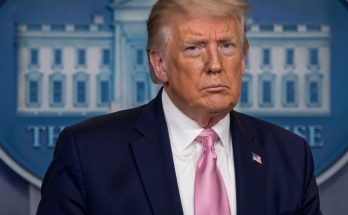
A series of unexpected adjustments to former President Donald Trump’s public schedule in early April 2026 ignited a surge of online speculation, with unverified reports claiming he had been rushed to Walter Reed National Military Medical Center. While official sources quickly debunked the rumors, the episode illustrated the speed and reach of unconfirmed information in today’s media environment and its potential to shape public perception.
The situation unfolded on Saturday, April 4, when the White House announced a press lid, signaling no further public appearances for the day. Trump, who had delivered a Wednesday night address on the Iran conflict and remained in Washington rather than traveling to Mar-a-Lago for the Easter weekend, had maintained a notably active schedule. The deviation from his usual high-profile presence immediately drew attention across social media platforms.
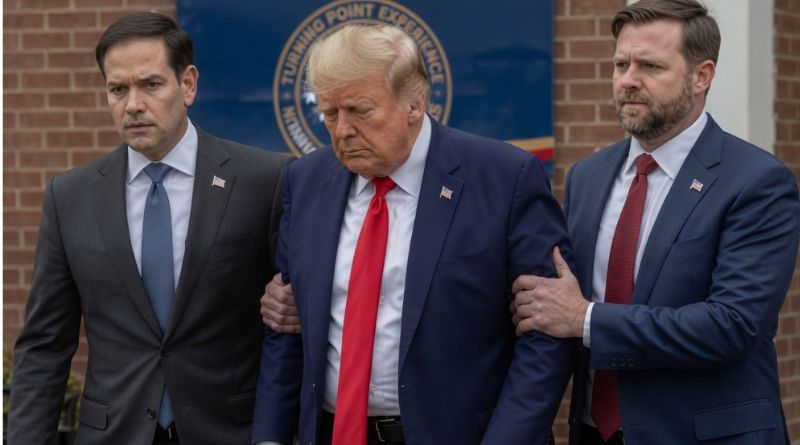
Within hours, posts began circulating on X (formerly Twitter), Facebook, and various forums suggesting the former president had been admitted to Walter Reed for an undisclosed medical emergency. Some users pointed to purported road closures and airspace restrictions near the Bethesda, Maryland, facility as evidence, while others shared older videos or AI-generated images to bolster their claims. The narrative evolved rapidly, with hashtags and threads amplifying the story and generating hundreds of thousands of mentions across platforms in a matter of days.
The Spark: Schedule Changes and Information Gaps
Public figures like Trump operate under intense scrutiny, where even minor schedule alterations can prompt questions. Analysts note that his well-known preference for a vigorous public calendar made the April 4 cancellation particularly conspicuous. Without immediate detailed explanations, online observers filled the vacuum with speculation ranging from routine matters to more dramatic health concerns.
This dynamic is hardly new. Deviations in the routines of presidents and other leaders have historically triggered rumors. In the social media era, however, such gaps can escalate quickly. Algorithms that prioritize content eliciting strong emotional responses—concern, outrage, or curiosity—helped propel the posts into wider circulation, regardless of their factual grounding.
By Saturday evening, the rumors had gained significant traction. Some posts presented the alleged hospitalization as confirmed fact, contributing to confusion and anxiety among supporters and the broader public. Fact-checkers later traced much of the momentum to unverified user-generated content, including recycled footage from prior events and fabricated visuals.
Official Rebuttal and Efforts to Restore Clarity
As speculation mounted, White House officials moved to address the claims directly. Spokespeople, including communications director Steven Cheung, denied the reports, stating unequivocally that Trump was not hospitalized at Walter Reed and had experienced no medical emergency. They emphasized that the president remained at his residence, continuing to manage responsibilities, including monitoring developments related to an American service member.
Additional details reinforced the clarification. Reporters noted the presence of a Marine sentry at the West Wing entrance, a standard indicator of the president’s presence on site. Trump also maintained an active posting schedule on Truth Social throughout the weekend, further contradicting claims of a serious health incident.
The administration’s response sought not only to correct the record but also to reassure the public. In an environment where health rumors about leaders can influence market sentiment, political stability, and public confidence, timely and transparent communication from official channels plays a critical role in mitigating fallout.
Background on Trump’s Health Disclosures
Interest in the former president’s health is longstanding, given his age and visibility. Trump has shared updates over the years, including a diagnosis of chronic venous insufficiency, a condition involving the veins in the legs that affects circulation. Medical experts describe it as relatively common among older adults and typically manageable through lifestyle measures, compression therapy, and routine monitoring.
At the time of the April rumors, no official statements indicated any acute change in his condition. Subsequent routine medical examinations later in 2026, including visits to Walter Reed for annual checkups, continued to describe him as being in excellent overall health, with physicians noting robust cardiac, pulmonary, and neurological function. These disclosures, while subject to the usual political interpretations, provided a baseline against which the weekend speculation could be evaluated.
Public figures’ health has long been a topic of national conversation, from historical precedents involving presidents like Franklin D. Roosevelt and Woodrow Wilson to more recent cases. Modern transparency expectations, bolstered by the 25th Amendment and evolving media norms, place pressure on administrations to balance privacy with accountability.
Public Reactions and the Spectrum of Online Discourse
Responses to the rumors varied widely. Many supporters voiced genuine concern and called for prayers, reflecting the deep personal connection some Americans feel toward political leaders. Others expressed skepticism, urging restraint and verification before accepting dramatic claims. Fact-checking organizations and established news outlets worked to contextualize the reports, reminding audiences of the importance of credible sourcing.
The episode highlighted broader patterns in digital behavior. When information is incomplete, individuals draw on existing narratives, personal biases, and prior experiences to interpret events. This can lead to polarized interpretations, with some viewing the rumors as politically motivated attacks and others as legitimate questions about transparency.
Social media’s participatory nature further complicated the picture. While it democratizes information sharing, it also enables rapid dissemination of falsehoods. In this instance, engagement metrics soared, demonstrating the platform incentives that can reward virality over accuracy.
The Broader Challenge of Misinformation in the Digital Age
The Trump hospitalization rumors fit into a larger pattern of health-related speculation surrounding public figures. Similar incidents have occurred with various politicians and celebrities, where unconfirmed reports spread before facts emerge. Advances in communication technology have compressed the news cycle dramatically, often outpacing verification processes.
Experts emphasize the role of media literacy in addressing this. Educating the public on how to evaluate sources, cross-check claims, and recognize algorithmic biases can help foster more resilient information consumption. Responsible journalism also remains vital: many traditional outlets in this case exercised caution, awaiting official confirmation rather than rushing to publish.
Platforms themselves face ongoing pressure to refine content moderation, labeling, and algorithmic transparency without compromising free expression. The tension between speed and accuracy defines much of contemporary media dynamics, with incidents like this serving as case studies for potential improvements.
Schedule Scrutiny and the Visibility of Leadership
High-profile individuals operate with tightly managed calendars, making changes inherently noticeable. For Trump, whose brand has long emphasized energy and accessibility, consistency in public engagements carries symbolic weight. Observers noted that remaining in Washington for Easter, amid other duties, aligned with the administration’s explanation of focused work rather than any health issue.
This phenomenon extends beyond politics. Corporate executives, entertainers, and other leaders experience comparable scrutiny. In an era of 24/7 connectivity, the line between public and private spheres continues to blur, raising questions about expectations for disclosure and the boundaries of reasonable curiosity.
Lessons and Forward Outlook
Several key takeaways emerge from the April episode:
- Verification Matters: Relying on official statements and reputable sources helps curb unnecessary alarm.
- Communication is Key: Prompt, clear responses from authorities can effectively counter rumors.
- Social Media Amplification: Understanding platform mechanics is essential for both consumers and communicators.
- Contextual Awareness: Health discussions benefit from nuance rather than sensationalism.
As of July 2026, no evidence has substantiated the April hospitalization claims. Trump has continued an active schedule, including subsequent medical checkups framed as routine. The incident, while fleeting, remains a pertinent reminder of the information ecosystem’s complexities.
In conclusion, the surge in speculation surrounding Donald Trump’s health in early April 2026 underscores enduring challenges at the intersection of leadership visibility, public interest, and digital communication. While social media enabled rapid spread of unverified narratives, official clarifications and journalistic diligence helped restore perspective. As technology evolves, cultivating habits of critical inquiry and responsible sharing will be increasingly important for sustaining informed public discourse in a democracy.