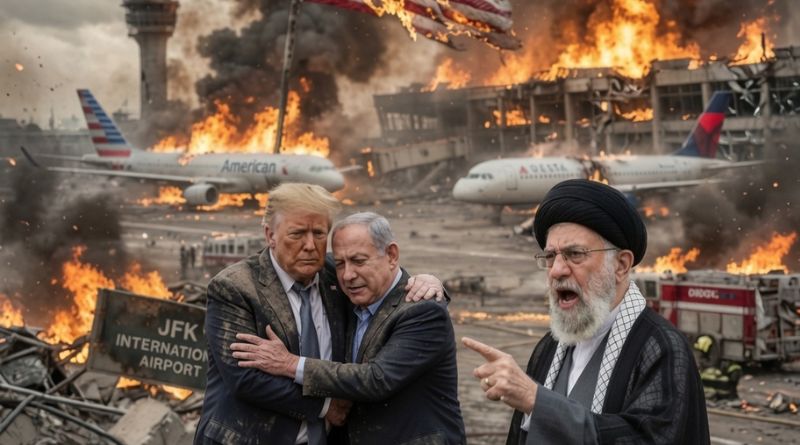
Reports of fresh Iranian ballistic missile attacks on Tel Aviv and other Israeli targets have heightened fears of broader regional conflict, though many details remain unverified amid the fog of war and restricted access to affected areas.
According to accounts from Israeli officials and media, the strikes included cluster munitions and caused damage to civilian infrastructure, with reports of casualties. Iranian authorities described the assault as direct retaliation for the assassination of a senior security official. Independent confirmation of the full scale of impacts has been limited, as both sides continue to restrict information flow.
The incident marks a significant escalation in the conflict that erupted in late February 2026, when the United States and Israel launched large-scale airstrikes on Iranian military installations and nuclear facilities. In the intervening months, cycles of retaliation have persisted, with Iran responding through missile and drone campaigns targeting Israeli territory and U.S.-allied positions across the Gulf. Recent activity has reportedly included strikes on military sites in Kuwait, Bahrain, the United Arab Emirates, and Saudi Arabia.
Israeli and U.S. forces have carried out counterstrikes focused on Iranian nuclear enrichment and weaponization sites, as well as Islamic Revolutionary Guard Corps (IRGC) assets. Israel’s multilayered air defense network — including the Iron Dome and Arrow-3 systems — intercepted the majority of incoming projectiles. However, analysts note that Iran’s evolving tactics, such as saturation barrages and specialized warheads, continue to strain these defenses, allowing some impacts in populated zones.
Economic and Diplomatic Fallout Global energy markets reacted sharply to the developments. Oil prices experienced notable volatility amid concerns over potential disruptions to critical shipping lanes like the Strait of Hormuz and major production hubs. Shipping and aviation activities in the region have faced interruptions, adding pressure to already strained supply chains.
Diplomatic channels remain largely stalled, with both sides signaling readiness for further military responses. International mediators, including efforts supported by the U.S., continue behind-the-scenes talks, but mutual accusations have hindered progress toward a durable ceasefire. A fragile framework agreed upon earlier in 2026 has been repeatedly tested.
Civilian risks remain paramount. Reports indicate casualties among civilians on multiple sides, raising urgent humanitarian concerns. Governments worldwide have urged restraint and called for verified information to guide responses, warning that unconfirmed or exaggerated claims risk amplifying tensions and derailing de-escalation efforts.
As of early July 2026, the situation remains fluid. While a fragile pause in major hostilities had held for periods, recent exchanges underscore the precarious balance in the Middle East. The potential for wider involvement by additional regional and international actors continues to loom, threatening broader instability with far-reaching consequences for global security and economic stability.
Experts emphasize that sustained diplomacy, backed by verifiable de-escalation measures, will be essential to prevent the conflict from spiraling further. For now, the region watches closely as developments unfold.