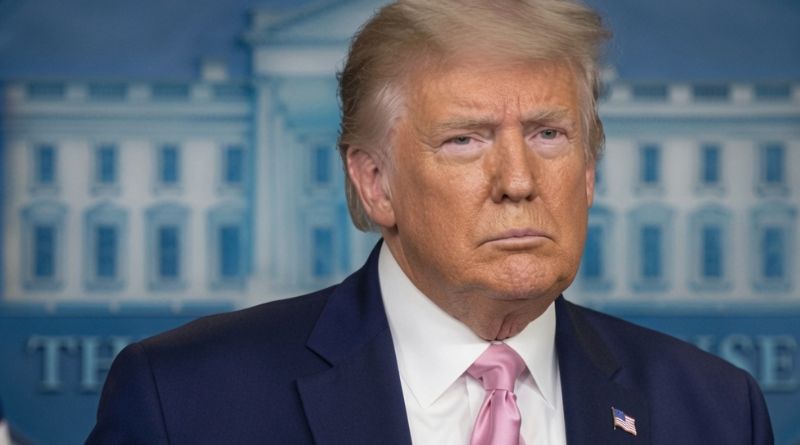
With a single executive order and signature, President Donald Trump dramatically altered the landscape of the nation’s capital, deploying federal law enforcement resources that transformed neighborhoods almost overnight. Sirens, increased patrols, and armored vehicles became more visible on city streets, while an uneasy calm settled over many communities.
The move has produced rapid results on public safety metrics. Crime statistics dropped sharply in the days following the federalization, according to preliminary reports. Residents in affected areas say they now feel safer walking home or going about daily routines without the constant vigilance that had become routine. Community messaging groups, previously dominated by alerts and surveillance videos, have quieted noticeably. Supporters view the federal presence as long-overdue action that validates years of complaints about unchecked crime under prior local leadership.
However, the intensified security measures have also generated a different form of unease for many residents. Some report memorizing license plates and mapping escape routes as a precaution. Parents are having conversations with children about interactions with federal agents near schools or parks. Immigrant families, in particular, have grown more hesitant to engage with authorities, with community advocates documenting increased fear of immigration enforcement actions and reluctance to report crimes or open doors to officials.
The overlapping operations have created confusion even within law enforcement. Local officers have privately acknowledged uncertainty regarding command authority when federal agencies, specialized task forces, and D.C. police respond to incidents together.
What started as a targeted campaign against crime has expanded into a broader national discussion about the balance between security and civil liberties. Critics argue that the new reality may erode trust in institutions, even as measurable safety improvements occur. Residents and officials alike are grappling with whether a community can achieve genuine safety if it is accompanied by heightened fear, uncertainty, and questions over constitutional protections.
As Washington, D.C., continues to adjust to this federalized model, the debate over the proper scope of “law and order” in American democracy is intensifying, with ramifications that could influence policing strategies in other cities.