Kamala Harris Election Loss: Analysis Reveals Deep Strategy Issues
In the aftermath of Kamala Harris’s decisive loss to Donald Trump, Democrats have engaged in intense soul-searching. Insiders, former staffers, and longtime allies have offered candid assessments, exposing significant strategic missteps and internal divisions that contributed to the defeat. While some pointed fingers at timing, others dismissed that explanation, arguing the campaign’s problems ran far deeper.
The debate over Joe Biden’s late withdrawal from the race quickly surfaced. Supporters of this view claimed it deprived Harris of adequate time to define herself and build momentum independently. However, many rejected this narrative as overly simplistic and detached from the broader realities on the ground. Several former staffers provided a more unflinching critique: the campaign fundamentally misread the political landscape from the outset.
According to multiple insiders, Harris’s team operated under the assumption that the existing Biden coalition would transfer seamlessly. They treated her candidacy as a continuation rather than a new contest requiring fresh strategies and outreach. This approach proved costly. Staffers admitted that optimism frequently overshadowed hard data. The campaign failed to rigorously verify assumed levels of support, leading to dangerous blind spots in key regions and among critical voter groups. As the race progressed and momentum shifted toward Trump, internal recriminations intensified.
A particularly sharp critique came from former San Francisco Mayor Willie Brown, a longtime mentor to Harris. Brown did not mince words, drawing direct parallels to Hillary Clinton’s 2016 loss. He argued that the campaign ignored hard-earned lessons from past elections by failing to ask tough questions and challenge comfortable assumptions. “They didn’t question assumptions,” Brown remarked. He suggested the team repeated familiar mistakes, overlooking warning signs that should have prompted course corrections. Brown’s comments, delivered with evident frustration but without malice, resonated with broader concerns about the campaign’s realism deficit.
Messaging and identity problems further compounded these issues. The Harris campaign attempted to appeal broadly across numerous demographic groups simultaneously. While inclusive in intent, this strategy often diluted its core message, leaving many voters uncertain about what Harris specifically stood for. Significant time and resources were devoted to defending the Biden administration’s record, which limited opportunities to establish Harris’s independent vision. Voters were left grappling with mixed signals: Was she offering continuity, or did she represent meaningful change? This ambiguity weakened enthusiasm and contrast with Trump’s straightforward, consistent messaging.
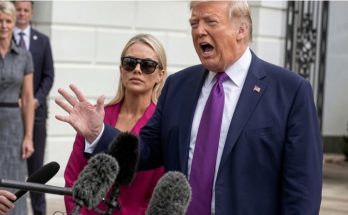
Trump’s campaign, by comparison, maintained a clear advantage. His rallies consistently drew strong, energized crowds, and his team effectively framed Harris as inexperienced and out of touch with working-class concerns. Trump’s base remained highly motivated throughout, while Harris’s support showed signs of softening—particularly in the final stretch. As a result, the dominant narrative increasingly favored the Republican ticket, and the Democratic campaign struggled to mount an effective counter.
In the closing weeks, strategic gaps became glaringly apparent. Some staffers later described the operation as increasingly improvised. Key battleground states received insufficient attention, and targeted outreach to rural voters, Latino communities, and younger demographics came too late to move the needle. National talking points frequently overshadowed localized concerns. By the time adjustments were made, the opportunity to regain lost ground had largely evaporated.
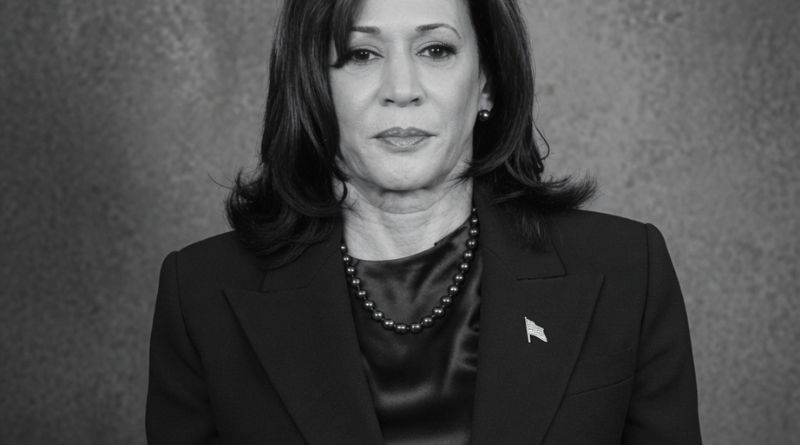
The emotional toll of the defeat was evident on election night. Reports described Harris wiping away tears as unfavorable results rolled in, underscoring the personal and symbolic weight of the moment. Supporters nationwide expressed empathy, yet behind the scenes, reflection and analysis continued.
Willie Brown’s critique and similar insider accounts highlight recurring challenges. They point to the need for greater data discipline, clearer identity definition, and adaptability in future campaigns. The Harris effort’s experience serves as a cautionary tale: assumptions must be tested, messages sharpened, and strategies adjusted in real time to meet evolving voter realities.
In total, the post-election analysis paints a picture of a campaign hampered by strategic rigidity, messaging diffusion, and delayed tactical responses in a highly competitive environment. Democrats will likely spend considerable time dissecting these lessons as they prepare for the battles ahead.