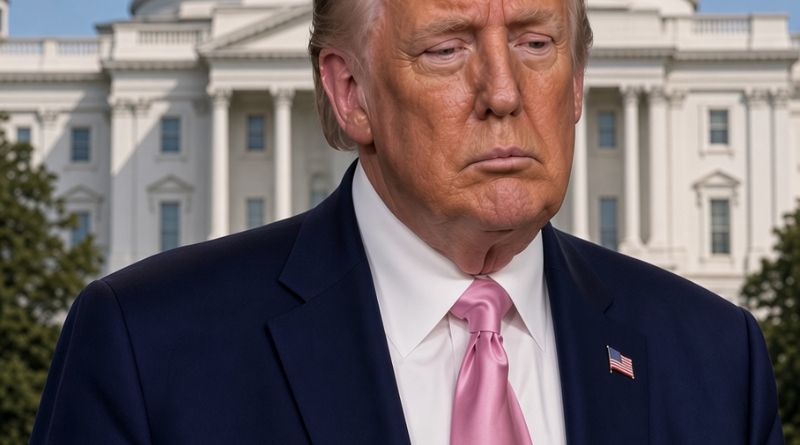
Washington didn’t see this coming. With a single order and signature in August 2025, President Donald Trump federalized elements of the capital’s policing under the D.C. Home Rule Act, deployed National Guard troops, and launched a multi-agency task force. Sirens, armored vehicles, and federal agents appeared almost overnight. Crime statistics—homicides, carjackings, robberies, and vehicle thefts—fell sharply in the months that followed. Yet for many residents, fear did not vanish; it simply changed form. What years of local debates and pilot programs had not achieved, the federal surge accomplished in days: it remade the atmosphere of the city.
Some residents say they finally feel safer. They walk home without constantly scanning for threats. Neighborhood group chats once flooded with crime alerts and surveillance videos have quieted. For these Washingtonians, the visible federal presence signals long-overdue seriousness about public safety after years of frustration.
On the same streets, others experience a different reality. A new anxiety has taken hold. Some residents memorize license plates and map escape routes. Parents talk with children about what to do if federal agents approach them near schools or parks. Immigrant families, advocates report, grow more reluctant to answer doors or interact with any authorities, fearing immigration enforcement that accompanied the crime crackdown. Local officers themselves privately describe confusion over who ultimately holds command when federal agents, Metropolitan Police, and specialized units operate side by side.
What began as an aggressive push to reduce crime has become a wider argument about security versus civil liberties. Crime declines are real and measurable, yet they arrive alongside sustained military and federal presence, higher jail populations, strained courts, and eroded trust in some communities. The capital now sits at the center of a national question: Can a city truly feel safe when that safety is purchased with uncertainty, diminished local control, and lingering fear? As National Guard troops remain deployed and the task force continues its work more than a year later, the debate over what “law and order” should mean in a democracy only intensifies.