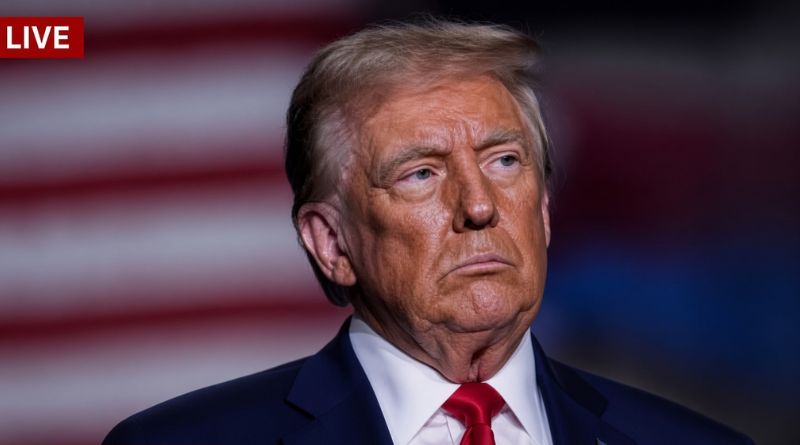
In a dramatic development that has shaken the country, prosecutors have filed extensive charges against Donald Trump, alleging a broad conspiracy that they claim threatened the foundations of American democracy. The indictment raises serious questions about the exercise of power, accountability, and how near the nation came to a constitutional crisis, as the full extent of the accusations and their potential impact on the presidency come into sharper view.
The charges outline a former president who, according to prosecutors, was prepared to push legal boundaries in pursuit of his objectives. He faces counts of conspiracy to defraud the United States, obstruction of an official proceeding, and conspiracy against rights. These allegations portray not simple political disagreements but intentional conduct that, if proven, carried significant risks for democratic institutions.
Trump’s legal team is preparing a vigorous defense, arguing that the case represents prosecutorial overreach that turns ordinary political advocacy into a crime and could deter future presidents from robust action. The trial’s outcome will influence not only Trump’s historical standing but also the boundary between aggressive political strategy and criminal behavior, clarifying how far a leader may go before the justice system intervenes.