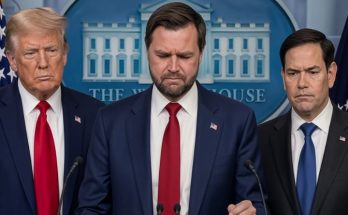
The Trump administration has expanded the federal law enforcement presence in Washington, D.C., citing public safety concerns and a pledge to reduce violent crime in the nation’s capital. Officials directed federal agencies to take a larger operational role, saying the effort would strengthen enforcement, improve coordination among agencies already based in the city, and restore order on streets, transit lines, and federal grounds.
Supporters, including some residents, say the change has been visible. They point to more frequent patrols, a stronger sense of security in certain neighborhoods, and official claims that arrests, firearm seizures, and prosecutions have risen while homicides, carjackings, and robberies have fallen. “A stronger federal response was needed,” supporters argue, describing the operation as proof that the administration intends to treat the capital as a national responsibility rather than a local problem left unmanaged.
Civil rights groups and community advocates have raised the opposite concern. They warn that a heavier federal footprint can heighten anxiety in immigrant neighborhoods, blur lines of accountability, and invite more aggressive stops for lower-level offenses. Critics also question whether crime declines should be credited mainly to the federal surge or to trends already underway, and they argue that visible troops and unmarked agents can feel like occupation rather than partnership.
Oversight remains a persistent point of confusion. Some residents say they are unsure which agency is leading a given operation and how federal teams coordinate with the Metropolitan Police Department and city officials. Those questions feed a larger argument unique to Washington: Congress and the president retain significant constitutional authority even though the city elects its own government. Legal observers note that disputes over federal involvement have long mixed public safety with home rule and the proper division of power.
As operations continue, officials, residents, and advocates are watching both crime statistics and community confidence. The debate now turns on whether stronger enforcement can coexist with civil liberties and local self-government.