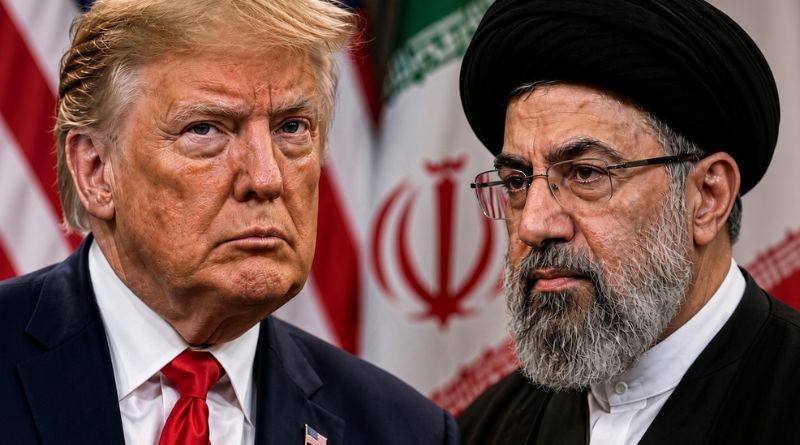
U.S. and Iranian officials are continuing diplomatic talks aimed at ending the conflict, but deep disagreements over control of shipping lanes and limits on Tehran’s nuclear program have so far prevented a breakthrough.
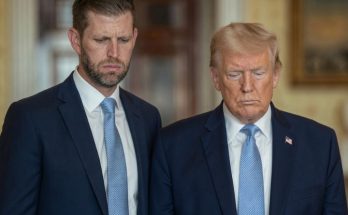
President Donald Trump and senior administration officials, including Vice President JD Vance and Secretary of State Marco Rubio, have kept a diplomatic track open even as military friction in the Persian Gulf continues. Negotiators have discussed pairing the reopening of the Strait of Hormuz with broader talks on Iran’s nuclear activities and possible sanctions relief. Those linkages have not produced a signed agreement.
The shipping crisis has sharpened the urgency. Reuters reported that only four commodity vessels transited the strait on Monday, compared with a prewar average of about 125 daily passages. Commercial traffic remains far below normal, and diplomatic efforts involving Iran and Gulf states have moved slowly.
Military incidents have continued alongside the talks. U.S. Central Command has described several recent encounters between Iranian forces and American warships. Earlier this month, CENTCOM said U.S. forces struck three Iranian crude-oil carriers after Iranian ballistic missiles were launched toward two U.S. Navy warships. In a later episode, U.S. forces confronted Iranian boats near the strait after an attempted seizure of a U.S. Navy unmanned vessel, according to American officials. Those events have underscored how quickly the situation can escalate even while diplomats remain in contact.
Iran’s nuclear program remains the other core dispute. The Trump administration has demanded tighter restrictions than those in the 2015 nuclear agreement, including stricter limits on enriched uranium. Officials have tied any meaningful sanctions relief to verified Iranian compliance. Tehran has not accepted those terms, and the gap between the two sides on enrichment, inspections, and the duration of limits has not closed.
Regional governments have tried to broker arrangements that would restore safer commercial shipping through Hormuz, but differences over who would guarantee security in the waterway have proven difficult to resolve. U.S. officials have framed the strait as both an economic and a strategic issue: restoring traffic would ease pressure on energy markets, while any settlement would still have to address Washington’s concerns about Iran’s nuclear capacity.
For now, the picture is mixed. Talks continue and some issues have been discussed in detail, yet no comprehensive deal has been announced. Confrontations around the Gulf show that diplomacy and military pressure are running in parallel. Until the two sides can reconcile control of the strait with a durable nuclear framework, the effort to end the conflict remains incomplete and fragile.