The Kamala Harris campaign lost in 2024 because it misread the electorate and never corrected course, according to former staffers who have described the race as a failure of assumptions more than a failure of effort.
That misreading, they say, began early. The operation treated her candidacy as an extension of an existing Democratic coalition and assumed support in key groups would hold without being retested. It did not rebuild a strategy for a new race. When momentum shifted, internal blame rose, but the campaign still did not fully grasp the voters it needed. Optimism outweighed the data, and the resulting blind spots were most costly in states and regions that decided the election.
Former San Francisco mayor Willie Brown has been among the sharper public critics. He argued that the campaign ignored lessons from earlier Democratic losses, including Hillary Clinton’s, and failed to ask hard questions about its own premises. “They didn’t question assumptions,” Brown said, adding that the team repeated earlier mistakes. His comments read as frustration with a pattern of overlooked warning signs rather than personal attack.
Messaging compounded the problem. The campaign tried to speak to many groups at once, and the message thinned. Voters were left unclear about her central position. Strategists also spent substantial time defending Joe Biden’s record, which limited the effort to define Harris on her own terms. The result was a running ambiguity: continuity or change. Mixed signals weakened support among voters who wanted a clearer choice.
Some supporters have pointed to Biden’s late withdrawal as the decisive constraint, arguing that Harris inherited a shortened race and a damaged political environment. Others dismiss that explanation as detached from what the campaign itself controlled. In their view, the calendar was a handicap, not an excuse for unverified assumptions or a diluted pitch.
The opposing campaign, by contrast, stayed narrow and consistent. Trump’s message remained targeted. His rallies drew strong turnout, and his operation framed Harris as inexperienced and disconnected from ordinary concerns. His base stayed energized as her momentum declined. The narrative moved in his favor, and the Harris campaign struggled to answer it with a single, durable counterargument.
The final weeks exposed the gaps. Staffers have described the late strategy as improvised. Key states received limited attention. Outreach to rural and Latino voters arrived late. Support among younger voters slipped. Local concerns were crowded out by national messaging. By the time adjustments were made, the window had closed.
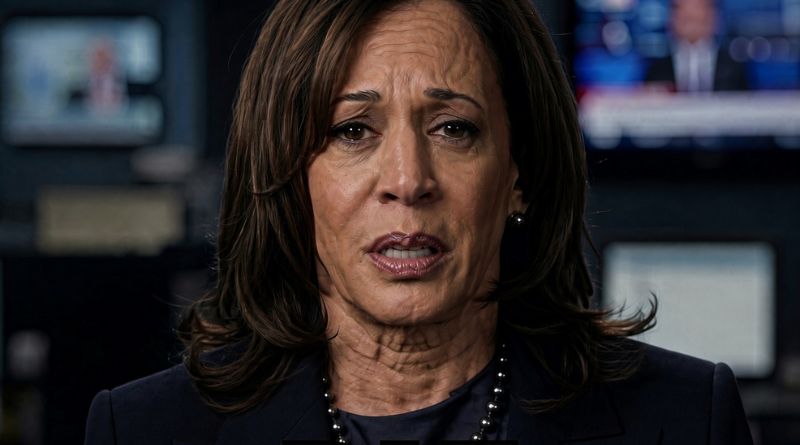
Election night carried a personal weight as well as a political one. Reports described Harris wiping away tears as results came in. Supporters responded with empathy; inside the campaign, the reckoning was quieter and more pointed. Brown’s critique echoed a wider conclusion among insiders: future campaigns will have to test their coalitions instead of inheriting them, and ask the difficult questions before the race, not after the loss.