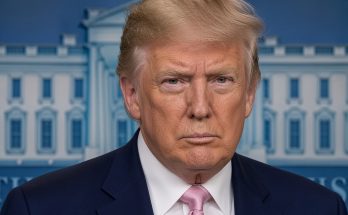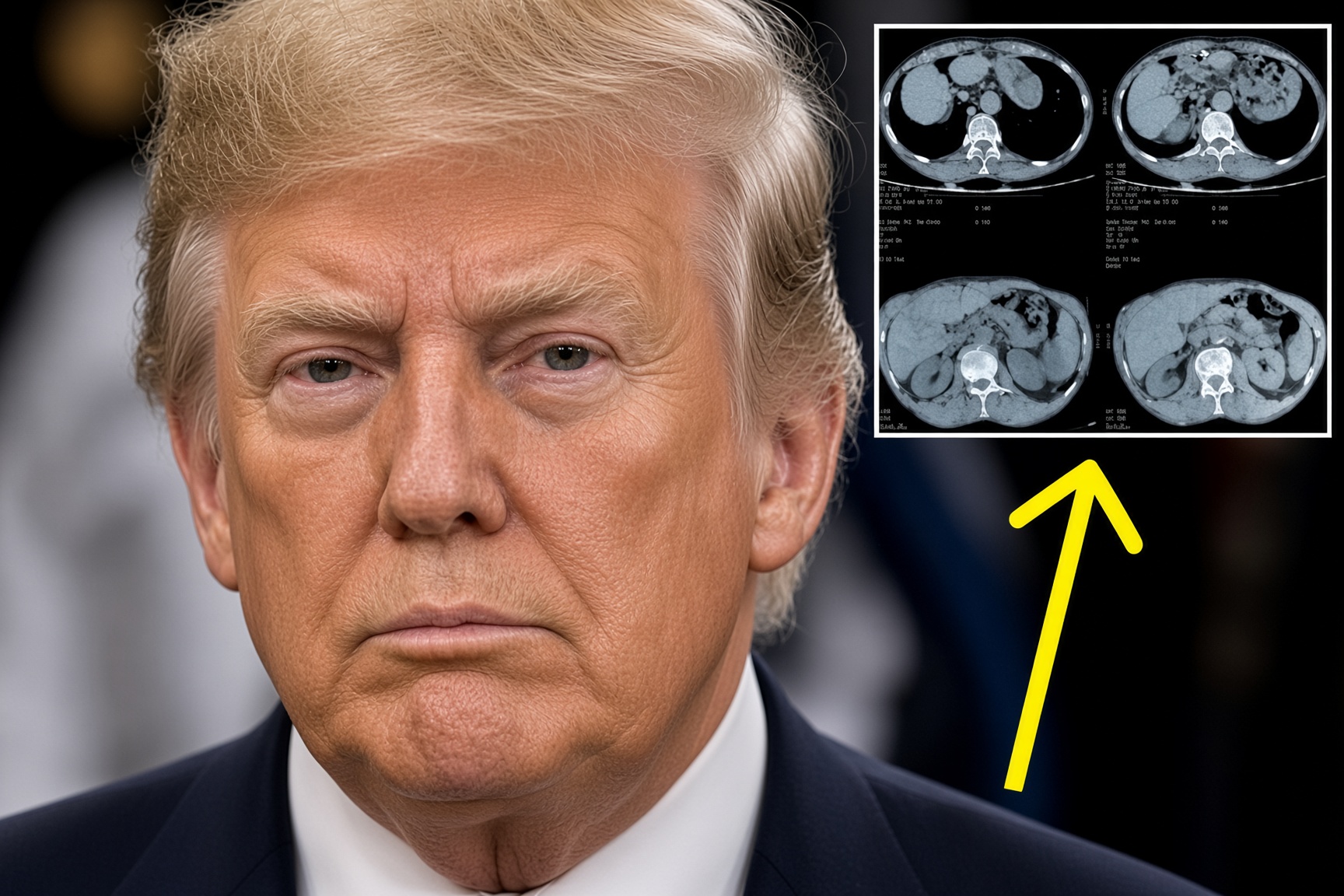
Aboard Air Force One, President Donald Trump responded to reporters’ questions about an MRI scan performed in October 2025 at Walter Reed National Military Medical Center. The White House had initially described the visit as a routine physical—Trump’s second of the year—but later characterized it as an expanded wellness evaluation intended to monitor his health ahead of a demanding schedule. Officials noted that advanced imaging is a reasonable precaution for a man in his late 70s serving as president.
Trump described the results as “outstanding,” “excellent,” and “perfect.” When pressed for specifics, however, he said he had “no idea” which part of his body had been scanned. In early December 2025, Physician to the President Dr. Sean Barbabella issued a clarifying memo. It stated that the imaging examined the cardiovascular system and abdomen, both of which showed “perfectly normal” findings. There was no evidence of arterial narrowing, inflammation, clotting, or abnormalities in major organs. Barbabella framed the tests as preventative, observing that men in Trump’s age group benefit from thorough cardiovascular and abdominal assessments.
The initial absence of detail prompted public speculation and continued media scrutiny. Commentators questioned why an MRI was included in what had been presented as a standard check-up and called for fuller disclosure. Trump pushed back, at times sparring with reporters, while offering to release the complete results if asked and reiterating that his health remains exceptional.
The episode has revived longstanding debates about medical transparency for sitting presidents, particularly in politically charged periods. Critics contend that limited information undermines public confidence; supporters argue the inquiries are politically motivated and cite Trump’s high energy level and prior clean bills of health. The administration continues to assert that the president is in excellent condition and fully able to carry out his duties. Detailed raw imaging has not been released, and some observers continue to press for more comprehensive reporting as the term proceeds.