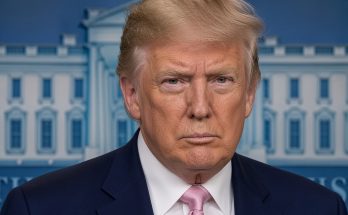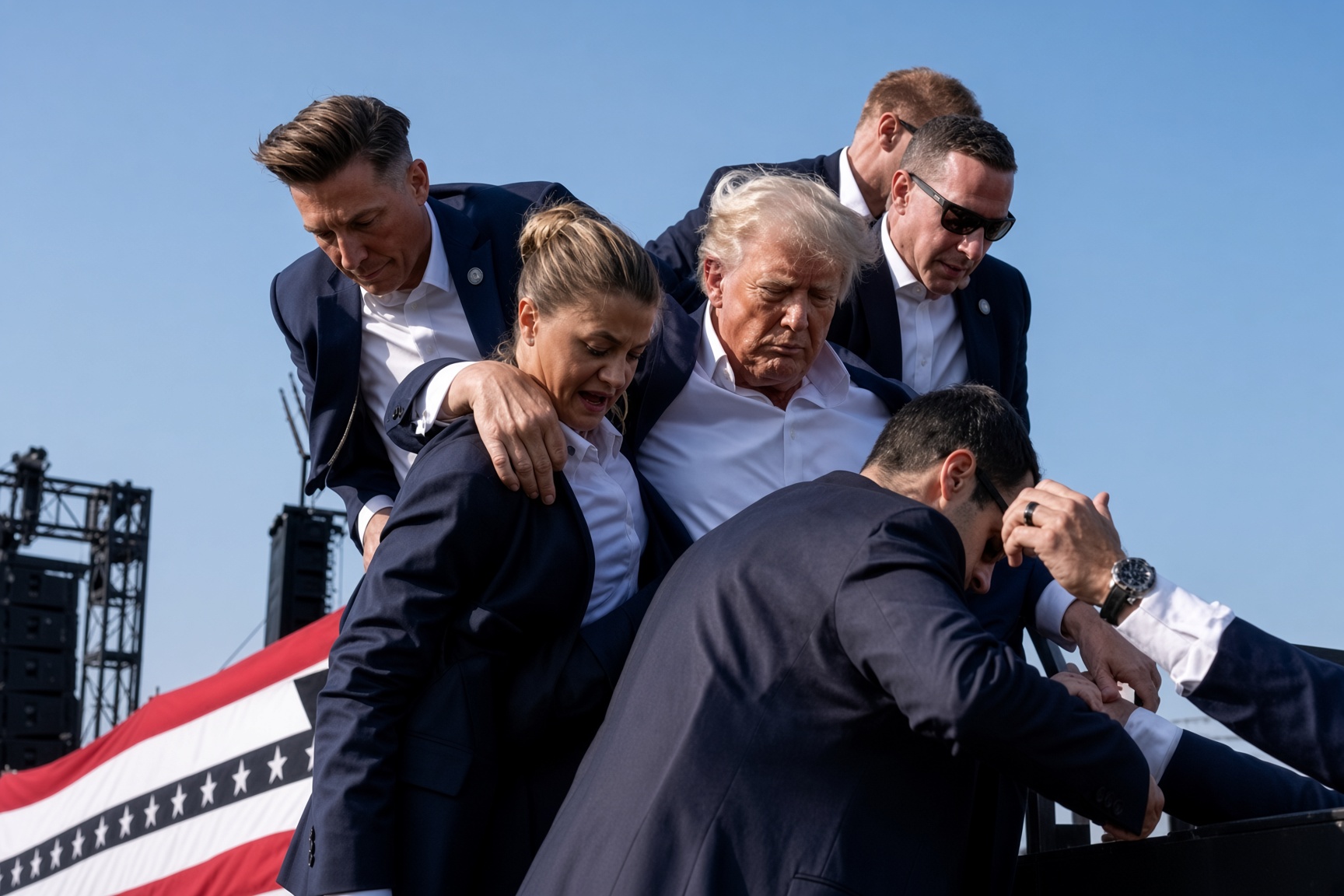
Viral claims that former President Donald Trump had been “shot again” in Washington, D.C., raced across social media today, triggering panic, speculation, and a surge of reactions from supporters and critics. The dramatic wording spread within hours, yet no credible news organization, law-enforcement agency, Secret Service statement, or hospital report has confirmed any new attack on Trump in the capital or elsewhere.
Major U.S. and international outlets, which routinely verify incidents of this magnitude within minutes, have published nothing supporting the claim. Federal authorities have likewise remained silent, a strong signal that the story lacks any factual basis. Much of the confusion stems from recycled footage, misleading captions, and engagement-driven posts originating from unverified accounts and private groups. In the current digital environment, such material can travel faster than official corrections, turning rumor into apparent breaking news before any check occurs.
The episode must be separated from the documented assassination attempt at a 2024 campaign rally in Butler, Pennsylvania, where Trump was wounded but survived. That event produced extensive security reforms, federal investigations, and an ongoing criminal case. Since then, protection around the former president has intensified and several threats have been disrupted, yet none matches the new shooting alleged in today’s posts.
Security analysts note that false alarms of this kind carry real costs. They generate unnecessary public fear, flood emergency lines with inquiries, distract agencies from genuine threats, and gradually erode confidence in verified reporting. Political observers add that high-profile figures such as Trump remain frequent targets of misinformation, especially in periods of electoral or national tension. Sensational framing is often designed to provoke shares before verification, prioritizing clicks or outrage over accuracy.
All available confirmed information indicates that Donald Trump has not been shot again. Officials continue to advise the public to rely solely on established news outlets and government statements for developments involving public safety or national security. The rapid spread of the unfounded claim underscores a broader pattern: a single unverified post can reach millions before facts catch up. In that environment, deliberate verification and patience remain the most effective safeguards against both panic and deception.