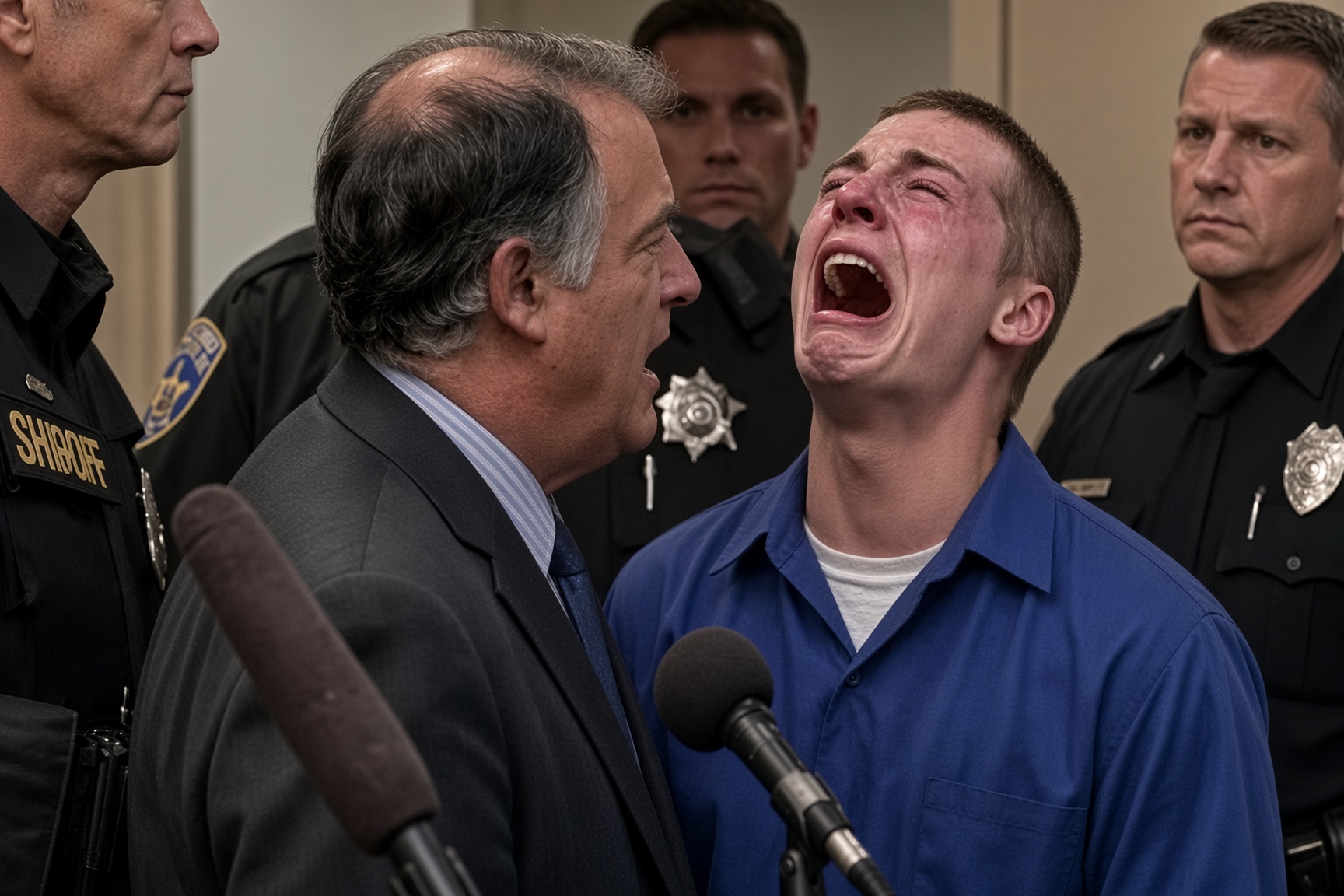
The gavel fell and the courtroom went still. A teenager had just been sentenced to 452 years in prison. Victims and their families wept as a stunned nation watched the moment unfold.
For those who had lived through the harm, the ruling felt like the first time the legal system fully registered the scale of what was taken. Testimony of terror and lasting loss filled the room, and for many, even 452 years still seemed too narrow a measure for the damage. The sentence stood as a clear promise: this particular person would never be free to cause the same harm again.
Outside the courthouse, a different reaction gathered. Advocates, researchers, and ordinary people asked what it means to sentence a teenager to die in custody. Neuroscientists noted that the adolescent brain is still developing, particularly in areas tied to impulse control and long-term judgment. Faith leaders spoke of the possibility of change and redemption. Legal observers warned that treating extreme finality as the same thing as fairness can turn a sentence into permanent exile rather than measured accountability.
In the days afterward the country split along a raw line. For some the outcome was long-overdue recognition. For others it raised an unsettled question the case refused to close: when justice is driven mainly by who we fear, what room remains for who we might still be willing to see change?