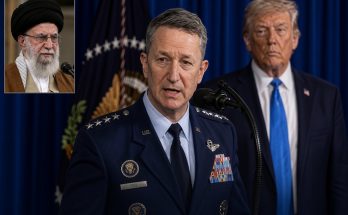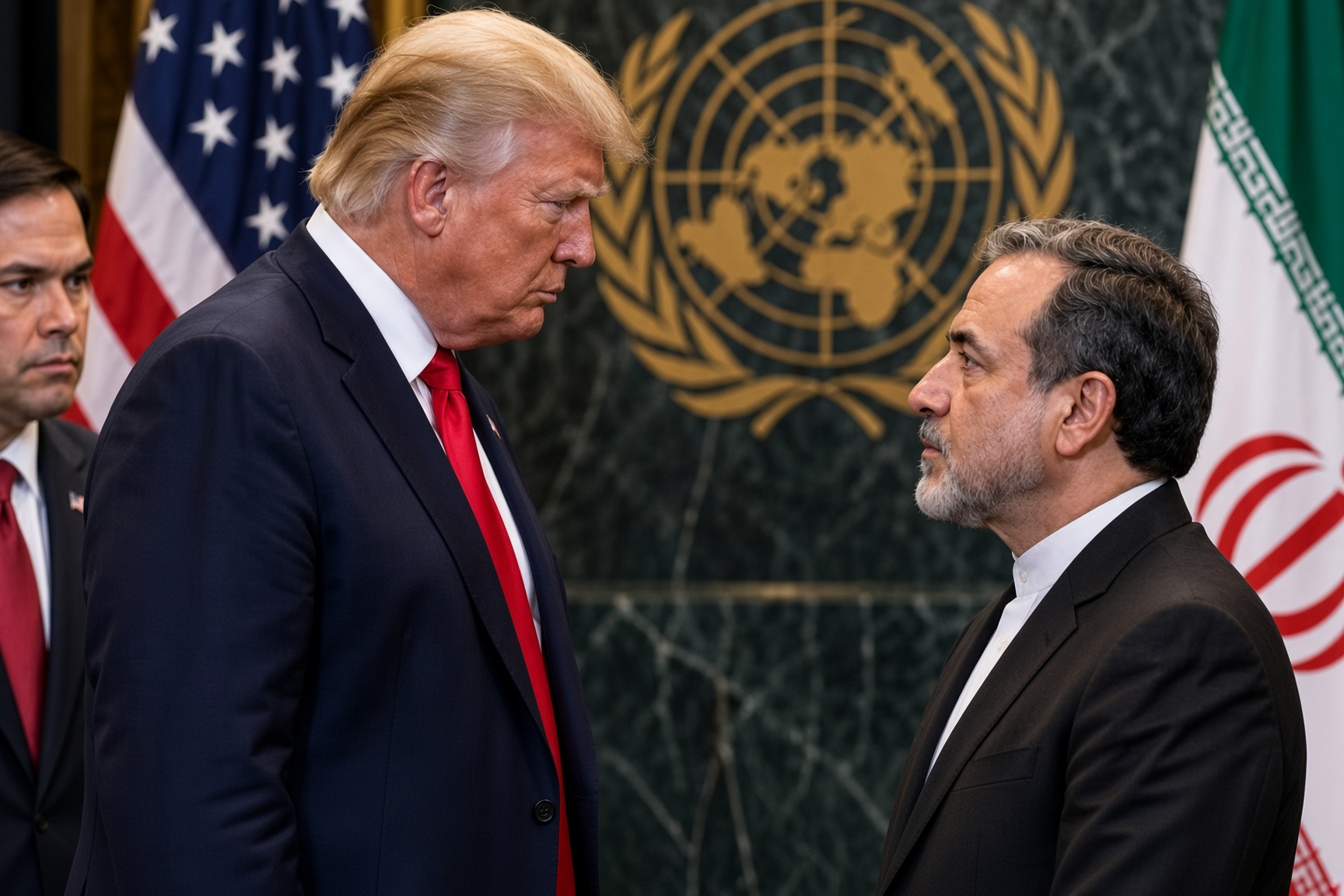
Iran has told the United States it can reopen the Strait of Hormuz within seven days if Washington eases military pressure and lifts its blockade of Iranian ports, a senior Iranian official said as world leaders gathered in New York for the United Nations General Assembly.
The official said Tehran sent the latest proposal to Washington through intermediaries on September 16, according to Reuters. The offer comes after months of war, maritime disruption, sanctions, airstrikes, and mounting strain on global energy markets. The United States has kept a blockade on Iranian ports while American forces continue to operate across the Persian Gulf. Iran, for its part, has restricted shipping through Hormuz, the narrow waterway that links the Gulf to the world’s main oil routes. Before the war, roughly one-fifth of globally traded oil and gas passed through the strait.
The official said Washington must first make a public, formal commitment to settle the confrontation through diplomacy. “The UN General Assembly is a golden opportunity for the US to return to diplomacy,” the official said. Iranian President Masoud Pezeshkian traveled to New York on Tuesday but is not expected to meet President Donald Trump. Secretary of State Marco Rubio nonetheless said the United States remains open to talks if negotiations could produce meaningful results. Engagement is worthwhile, Rubio said, “especially if it has the prospects of leading to something positive” for American objectives.
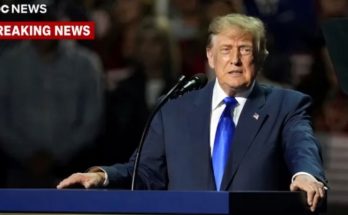
Trump used his United Nations address on Tuesday to press other countries for tougher economic isolation of Tehran. “I call on all nations to help to enforce the complete economic isolation of Iran,” he told world leaders. He also said he believes an agreement could emerge after November’s U.S. midterm elections, accusing Tehran of delaying talks while waiting to see how Republicans perform in those contests. At the same time, he urged Iran to fully reopen Hormuz and return to negotiations aimed at ending the conflict. The president said he faces “a big decision” over whether diplomacy or overwhelming military force will ultimately end the confrontation.
Iran has warned that renewed American military operations would trigger retaliation “without limitations and considerations.” Parliament Speaker Mohammad Baqer Qalibaf separately said Tehran would not surrender to American pressure. “Trump must understand that he cannot impose his power on the Iranian people and its armed forces,” Qalibaf said.
Regional governments are watching closely. Several Gulf states host major American military installations that were targeted during the conflict. Trump planned talks Tuesday with leaders from Bahrain, Kuwait, Oman, Qatar, Saudi Arabia, and the United Arab Emirates. Those governments want commercial shipping restored, but they remain wary of any arrangement that could expand Iranian influence over regional security. Qatar has promoted a broader security framework meant to include Iran and Arab Gulf states under mutual guarantees. Saudi Arabia has also faced growing pressure from Iran-aligned Houthi forces advancing in Yemen near crucial Red Sea shipping routes, complicating alternatives to Hormuz by threatening traffic around the Bab el-Mandeb Strait. Riyadh restarted its East-West Pipeline on Tuesday, offering another path for some oil exports toward the Red Sea. Reuters reported that the pipeline had been shut after attacks Saudi Arabia blamed on Iranian-aligned militants operating from Iraq.
The Trump administration has paired military pressure with an economic campaign designed to isolate Iran from global commerce. Tehran’s latest proposal is not itself an agreement, and Washington has not announced acceptance of Iran’s conditions. The opening is another diplomatic possibility, not confirmation that the seven-month conflict is near an end.
For global markets, reopening Hormuz could ease shipping disruptions. Any lasting effect would still depend on security conditions and how any deal is implemented. Iran calls the UN gathering a “golden opportunity.” Trump continues to demand economic isolation while leaving open the possibility of further military escalation.