President Donald Trump on Sunday warned that the United States could sharply escalate its campaign against Iran’s energy infrastructure if the Iranian regime does not soon accept a negotiated end to the conflict. In a post on Truth Social, Trump wrote that the United States is engaged in “serious discussions with a NEW, AND MORE REASONABLE, REGIME to end our Military Operations in Iran.”
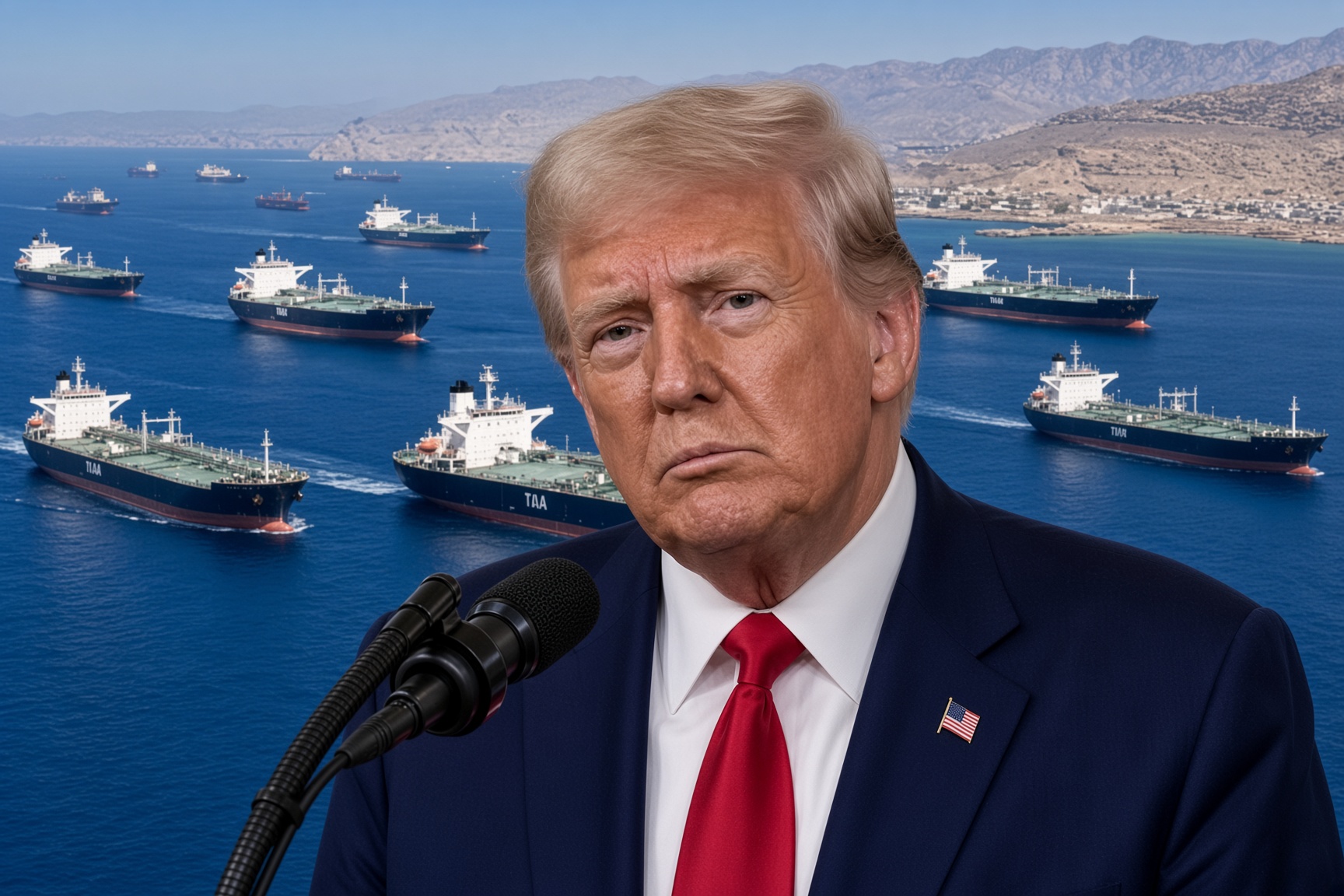
He said “great progress has been made,” but added that if an agreement is not reached shortly—an outcome he described as probable—and if the Strait of Hormuz is not immediately reopened to commercial traffic, the United States would finish its operations by destroying Iran’s electric generating plants, oil wells, and Kharg Island, along with possibly all of the country’s desalination plants. These targets, he noted, have so far been deliberately left untouched. Trump characterized the threatened strikes as retribution for the deaths of American soldiers and others during what he called the “old Regime’s 47 year ‘Reign of Terror.’”
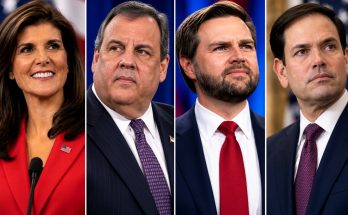
Secretary of State Marco Rubio, speaking Friday after meetings with Group of Seven foreign ministers in France, said U.S. military operations in Iran are expected to conclude within weeks, with objectives being met ahead of schedule. The assessment aligns with earlier statements from Trump and other administration officials that the campaign would last between four and seven weeks. “It’s a question of weeks, not months,” Rubio said, according to the BBC.
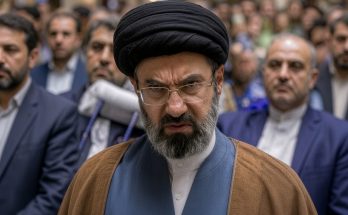
Rubio confirmed that Washington has received messages from Iranian officials signaling a willingness to discuss certain issues, though he expressed uncertainty about who would represent Tehran. “We’ve had an exchange of messages and indications from the Iranian system, whatever’s left of it, about a willingness to talk about certain things,” he said. Further clarification is still needed, he added, on the identity of any interlocutors, the subjects to be discussed, and the timing of talks.
The Trump administration has reportedly presented a 15-point proposal aimed at ending the conflict. Special envoy Steve Witkoff said he is “hopeful” that negotiations could begin soon. “We have a 15-point deal on the table that the Iranians have had for a bit of time,” Witkoff stated. “We expect an answer from them and it would solve it all.”
On Friday, Trump said he had paused a potential strike on Iranian power infrastructure in order to leave room for diplomacy. “Iran is being decimated,” he said, adding that the two sides are talking and that Tehran wants to reach a deal.
The conflict began on February 28 with joint U.S. and Israeli operations and has resulted in the deaths of several senior Iranian leaders. Rubio said the United States has deployed additional forces to the region to preserve military options as the situation develops.
Iranian officials have accused Israel of striking nuclear facilities and major industrial sites, including steel plants. Foreign Minister Abbas Araghchi warned that Tehran would impose a “heavy price” in response. The Islamic Revolutionary Guard Corps has separately threatened retaliation against infrastructure linked to the United States and Israel, saying it could target industrial and energy-related assets across the region.
The Group of Seven has called for the full restoration of navigation through the Strait of Hormuz, a critical global energy chokepoint through which roughly 20 percent of the world’s oil and liquefied natural gas passes. Iran has moved to restrict traffic in the waterway. Rubio said there are reports that Iran has begun charging some vessels for safe passage, and Iranian lawmakers are reportedly considering legislation related to those restrictions.