The Golden Handcuffs Are Chafing: Trump, Melania, and the Royal Visit
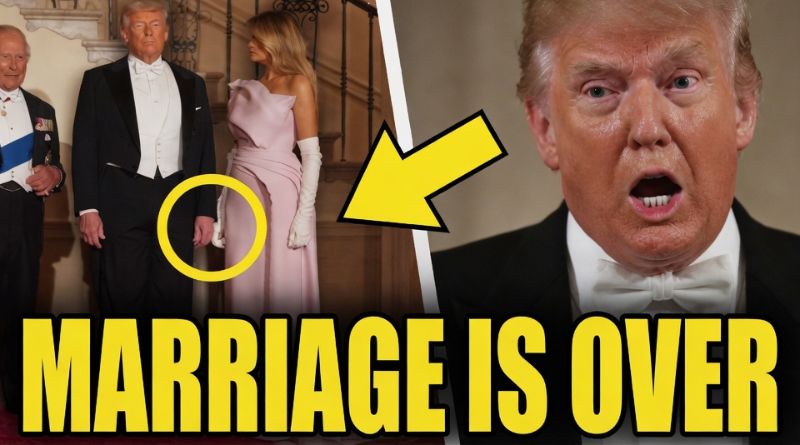
The Trump presidency has always blended spectacle with substance, but the April 2026 state visit by King Charles III and Queen Camilla offered fresh fodder for critics eager to dissect the First Couple’s dynamic. During the White House welcome and state dinner, public moments between Donald and Melania Trump fueled familiar tabloid narratives of marital strain. Videos captured Melania appearing to pull away or adjust during a photo op, and her expression during Trump’s joke about his parents’ 63-year marriage drew particular attention.
Trump, referencing his parents’ long union, turned to Melania and quipped, “That’s a record we won’t be able to match, darling.” Her response—a notably cool stare—spread quickly online. The moment came shortly after Trump had criticized Jimmy Kimmel for an “expectant widow” joke referencing the age gap. Trump’s call for consequences against the comedian highlighted his longstanding sensitivity to personal jabs, even as he deploys blunt humor himself. Public hand-holding and warmth have never defined their visibly formal partnership; they married in 2005 and have weathered two terms under intense scrutiny. Armchair psychoanalysis of “death stares” and “humiliation rituals” remains speculative—high-pressure public life rarely reveals private realities.
The visit itself, tied to America’s 250th anniversary, mixed ceremony and subtle policy friction. King Charles addressed Congress, receiving multiple standing ovations while stressing the enduring US-UK “special relationship,” NATO’s importance, support for Ukraine, and multilateral cooperation. These are longstanding British government positions rather than personal rebukes. Trump’s toast and remarks focused on bilateral ties, though critics noted he omitted direct mention of Melania in parts. Charles’s tone—emphasizing alliances and shared values—clashed stylistically with Trump’s “America First” skepticism of endless overseas commitments and burden-sharing disputes.
Such diplomatic visits are theater. Monarchs symbolize continuity; policy flows from governments. Trump’s transactional approach—pressuring NATO allies on spending, prioritizing bilateral deals, and questioning open-ended Ukraine aid—has defenders who argue it forces realism after years of under-contribution by Europe. Detractors see isolationism that cedes influence to adversaries. Labeling it a “puppet” dynamic or “genocidal” favoritism oversimplifies complex realities involving Iran-backed groups, energy markets, and great-power competition.
The viral clips of Melania and the King’s polished address provided easy optics for Trump’s opponents: a narrative of personal farce and diplomatic diminishment. Yet marriages under the spotlight endure speculation, and alliances persist amid disagreement. Trump’s base sees elite mockery as validation of his outsider status. The real test remains policy outcomes—trade, security, and domestic priorities—not body language at state dinners. The gold leaf of power often flakes under cameras, but governance runs deeper than viral supercuts.