US, Iran Reach Fragile Truce on Strait of Hormuz as Deadline Expires
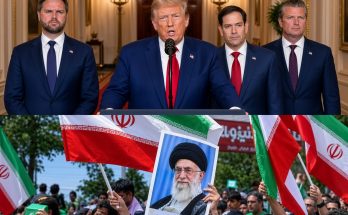
WASHINGTON — The United States and Iran announced a fragile truce Tuesday evening as a critical deadline expired, temporarily easing tensions over the Strait of Hormuz following months of escalation.
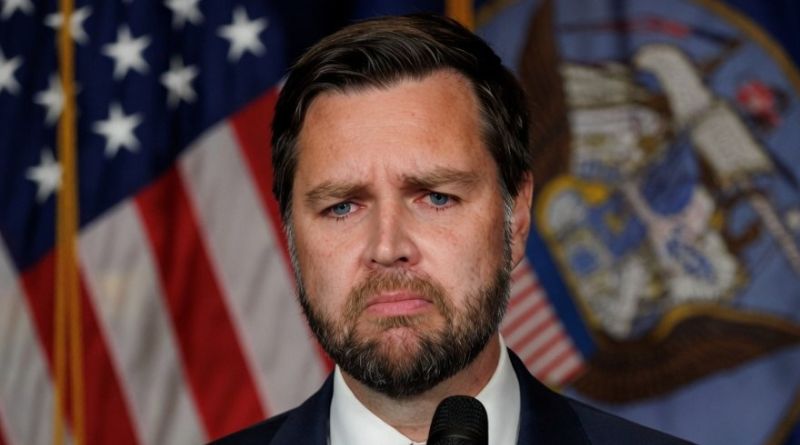
Vice President JD Vance, who played a central role in the negotiations, expressed confidence that Tehran would comply with terms to lift its maritime restrictions. He described Iran’s interference in the vital waterway as “economic terrorism” and stressed the need for global energy stability. Vance warned that President Donald Trump remains prepared to deploy a full range of military and economic measures if Iran fails to uphold the agreement.
The conflict intensified after U.S.-Israeli strikes in February 2026 prompted Iran to severely restrict access to the Strait of Hormuz, a chokepoint previously responsible for roughly one-third of global oil exports. Traffic through the strait plummeted by nearly 90%, triggering sharp volatility in international energy markets.
In the lead-up to the deal, Trump issued public ultimatums via Truth Social, including a 48-hour warning threatening the “obliteration” of Iranian power plants and infrastructure. Tensions peaked Friday when Iranian forces downed two U.S. aircraft, though all American crew members were successfully rescued.
The two-week ceasefire allows for a limited reopening of the strait. However, the agreement includes a controversial provision permitting Iran and Oman to collect transit fees from passing ships — a notable departure from the waterway’s longstanding status as an international passage.
Vance stated that the United States has largely achieved its immediate military objectives while retaining significant leverage for future talks. He emphasized that the truce does not extend to broader hostilities involving Lebanon or Hezbollah, dismissing Iranian interpretations as a “legitimate misunderstanding” and accusing some officials of “lying” about the pact’s terms.
A U.S. delegation is now heading to Islamabad for follow-up discussions. Markets reacted with cautious optimism, though analysts question the truce’s long-term durability amid deep internal divisions within Iran’s leadership.