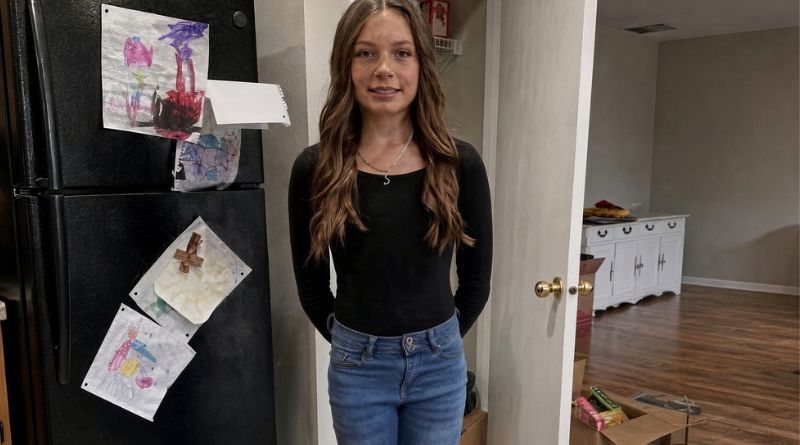
A heartbreaking story has emerged about a young woman named Ana, who died at just 20 in circumstances linked to her period. The news has left her family, friends, and community in deep grief. Many are struggling to understand how something so ordinary could end in tragedy. Her death has also started a wider conversation about women’s health, warning signs, and the cost of silence.
Menstruation is a normal biological process. For most people it is uncomfortable but manageable. That fact can make it easy to dismiss pain, heavy bleeding, or sudden changes as “just a period.” Ana’s case is a reminder that this assumption is not always safe. Severe pain, unusually heavy bleeding, fainting, fever, unusual discharge, confusion, sudden weakness, dizziness, unusual paleness, shortness of breath, or difficulty staying awake are not things to wait out. They can point to infection, significant blood loss, or another condition that needs prompt medical care.
The lesson is not that periods are dangerous by nature. It is that unexpected or intense symptoms deserve attention. A person who knows their own pattern is often the first to notice when something is different. That observation should be taken seriously by family, friends, teachers, and clinicians. Embarrassment should not decide whether someone seeks help.
Practical awareness is part of prevention. Young people need language for what they are experiencing and a place to ask questions without shame. Schools and families can make that easier by treating menstrual health as ordinary health care rather than a private embarrassment. Reliable products should be available and used as intended. Hands should be washed before and after changing products. Improvised materials and products used in ways they were not designed for add avoidable risk. Packaging instructions exist for a reason.
When symptoms are sudden or severe, waiting is the greater risk. Uncontrolled bleeding, collapsing, disorientation, or a person who is hard to wake is an emergency. Calling for urgent medical help is the safer choice. Health professionals emphasize that warning signs matter more than assumptions about what a period “should” look like.
Ana’s death has resonated because it touches subjects many communities still find hard to discuss. Silence leaves teenagers and young adults relying on rumors or incomplete information. Compassionate education gives them words, confidence, and a path to care. A trusted adult, school nurse, doctor, or emergency responder can help decide what to do next. Taking a concern seriously early is always better than hoping it will pass.
Her loved ones are facing a loss that cannot be undone. The public response has mixed remembrance with prevention. Treating menstrual health as part of ordinary medicine can reduce shame, support earlier treatment, and make good guidance easier to find. Natural body processes should not be a source of fear. Severe or unusual symptoms should never be ignored.
The central message is simple. Listen carefully. Respond without judgment. Involve qualified clinicians when something seems wrong. Ana’s story is painful. The conversation it has started may still help others seek help before a crisis develops.