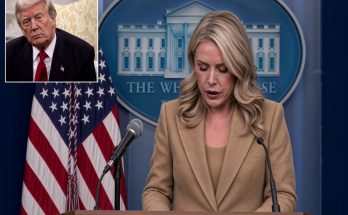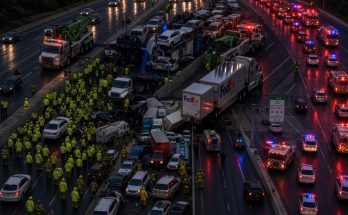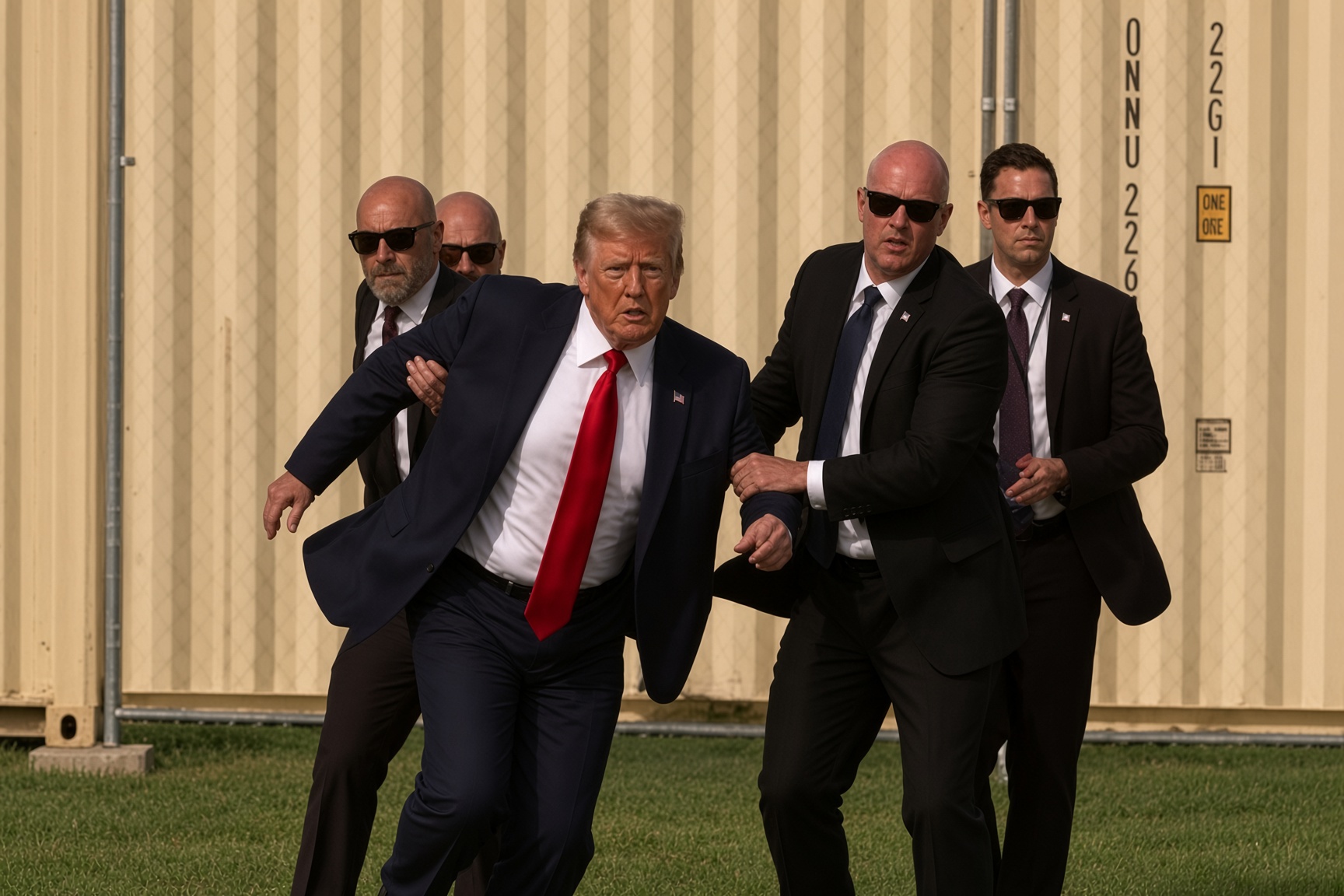
Claims that former President Donald Trump had been “shot again” in Washington, D.C., spread quickly across social media today, drawing alarm, speculation, and a rush of reactions from supporters and critics. Within hours, the story looked far less dramatic than the posts suggested. No Secret Service statement, hospital report, or other official account has confirmed a new attack on Trump in Washington or anywhere else. Major U.S. and international outlets, which usually verify incidents of this scale within minutes, have reported nothing to support the claim. Federal authorities have also been silent — a strong sign that the story is not grounded in a real event.
Much of the confusion appears to come from recycled footage, misleading captions, and posts built to drive fear and clicks rather than convey verified facts. Several of the viral messages traced back to unverified accounts and private groups, where dramatic language often travels without evidence. In a digital environment where misinformation can outrun official updates, false alarms of this kind are increasingly common.
The rumor should not be confused with the documented assassination attempt at a rally in Butler, Pennsylvania, in 2024, when Trump was wounded and survived. That attack prompted security changes, federal investigations, and a criminal case that remains part of the public record. Since then, protection around the former president has been tightened, and officials have reported multiple foiled threats. None of that amounts to a confirmed new shooting matching today’s viral claims.
False reports carry real costs. They can spark unnecessary panic, flood emergency lines with inquiries, mislead the public, and weaken trust in legitimate reporting. They also pull public-safety agencies away from actual emergencies so they can answer rumors. Analysts note that high-profile figures such as Trump remain frequent targets of misinformation, especially in tense political periods.
Sensational headlines are often written to provoke an emotional response and encourage sharing before anyone checks the source. In many cases the aim is not to inform, but to generate clicks, outrage, or division. For now, the verified record says Donald Trump has not been shot again, in Washington or elsewhere.
Officials urge people to rely on trusted news outlets and confirmed government statements for developments involving national security or public safety. As this episode shows, not everything labeled “breaking news” online is real. When a single unverified post can reach millions in minutes, caution, verification, and patience remain the most reliable defenses against panic and deception.