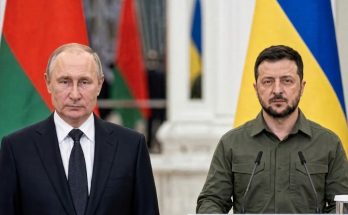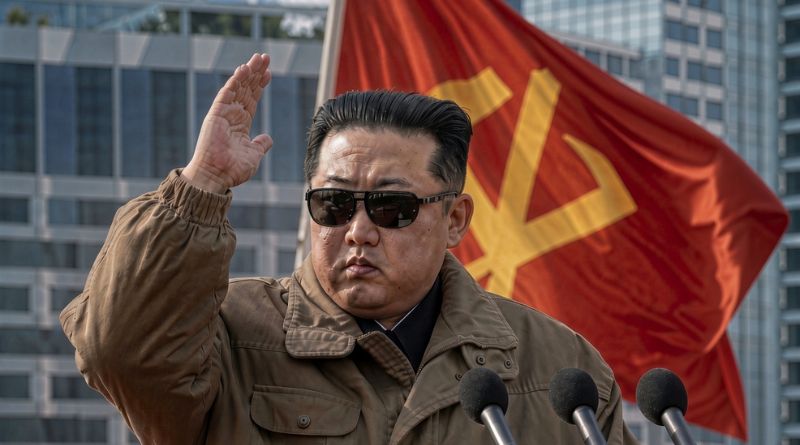
Viral reports alleging that South Korea had ordered a military attack on another country have been confirmed false, officials said.
The claims spread quickly on social media and fringe websites, prompting public concern even though they were unsupported by evidence. South Korean authorities categorically denied the reports and said no offensive military orders had been issued. The government restated its commitment to regional stability, national defense, and continued diplomacy, while saying it was monitoring security developments.
The episode shows how quickly unverified claims can circulate in the digital era. Sensational headlines and algorithmic amplification can push false content into wide view, raising unnecessary alarm and eroding public confidence when geopolitical tensions are already high.
Media analysts advise checking major claims against established outlets before sharing them. Organizations such as the Associated Press, Reuters, and the BBC apply editorial standards and fact-checking before publication. Official government statements remain a primary source for confirming or rejecting reports of this kind.
As misinformation continues to shape online debate, specialists say responsible consumption and critical reading matter. Checking facts before passing a story on limits the reach of false narratives and supports a better-informed public.