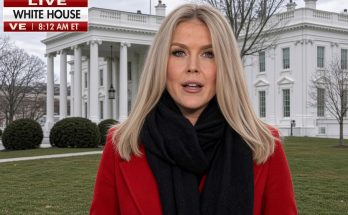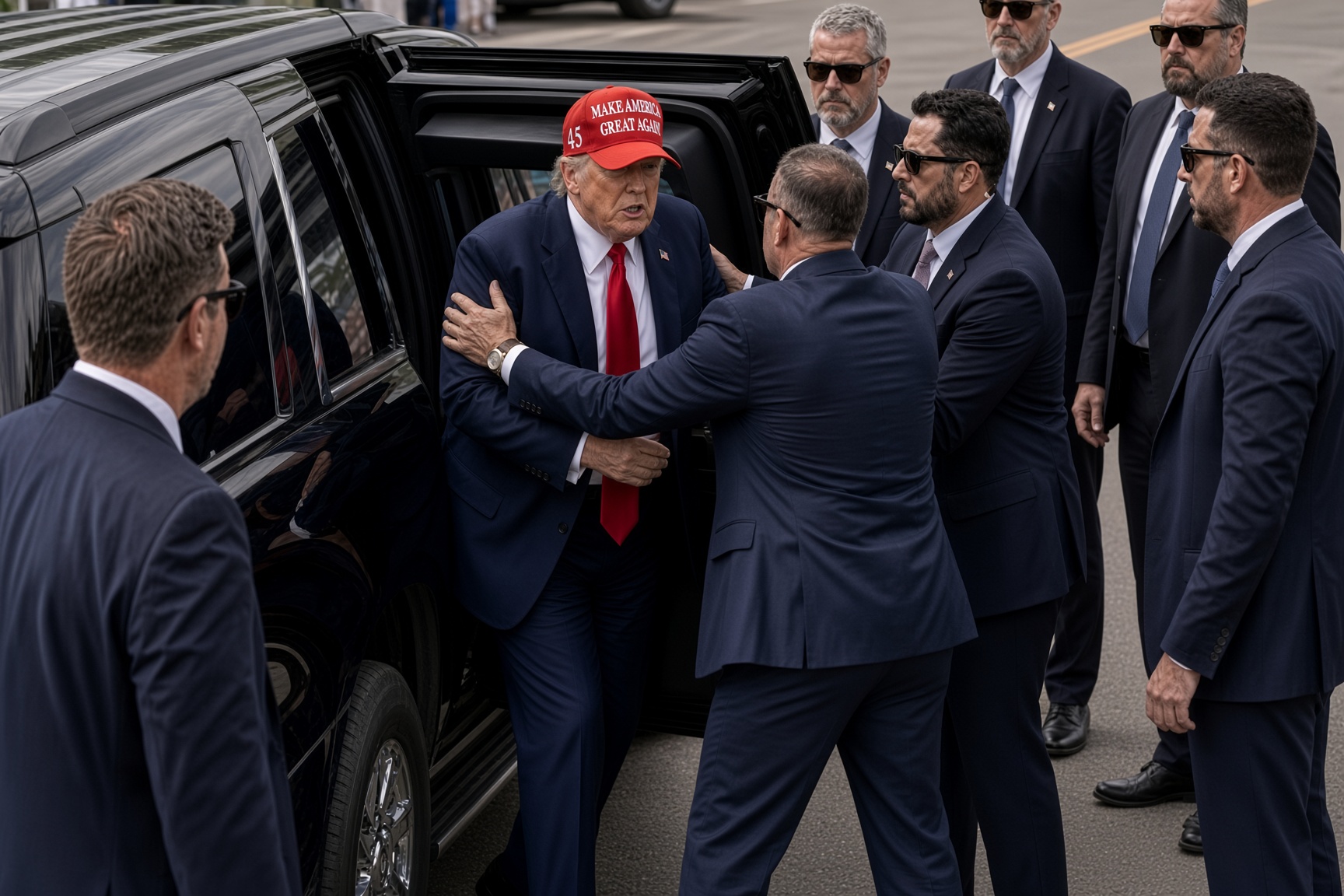
Alarming posts claiming that former President Donald Trump had been “shot again” in Washington, D.C., raced across social media, sparking panic, speculation, and sharp partisan reactions. The wording was dramatic and precise enough to resemble breaking news. Within hours, however, the claim collapsed under scrutiny.
Much of the surge was driven by recycled video clips, misleading captions, and accounts designed to harvest fear and clicks rather than report verified facts. Several of the most widely shared posts came from unverified profiles and closed groups that prioritize sensational language over evidence. In an environment where a rumor can outpace official confirmation, the pattern has become familiar.
The false reports should not be confused with the real assassination attempt at a July 2024 campaign rally in Butler, Pennsylvania, where Trump was wounded and survived. That attack led to major security changes, federal investigations, and a criminal case that remains part of the public record. Since then, protection around Trump has been tightened, and multiple threats have been disrupted. None of those developments match the viral story of a new shooting in Washington.
High-profile figures remain easy targets for fabricated “breaking” posts, especially when political tensions run high. Headlines are often written to trigger an immediate share rather than careful verification. The underlying incentive is engagement—outrage, fear, or tribal point-scoring.
Verified reporting and official channels provide no support for a new shooting of Trump in Washington or anywhere else. Authorities and established news organizations continue to urge the public to wait for confirmed statements on matters of security and public safety. A single unverified post can reach millions of people in minutes. Patience and careful sourcing remain the most reliable defenses against a manufactured panic.