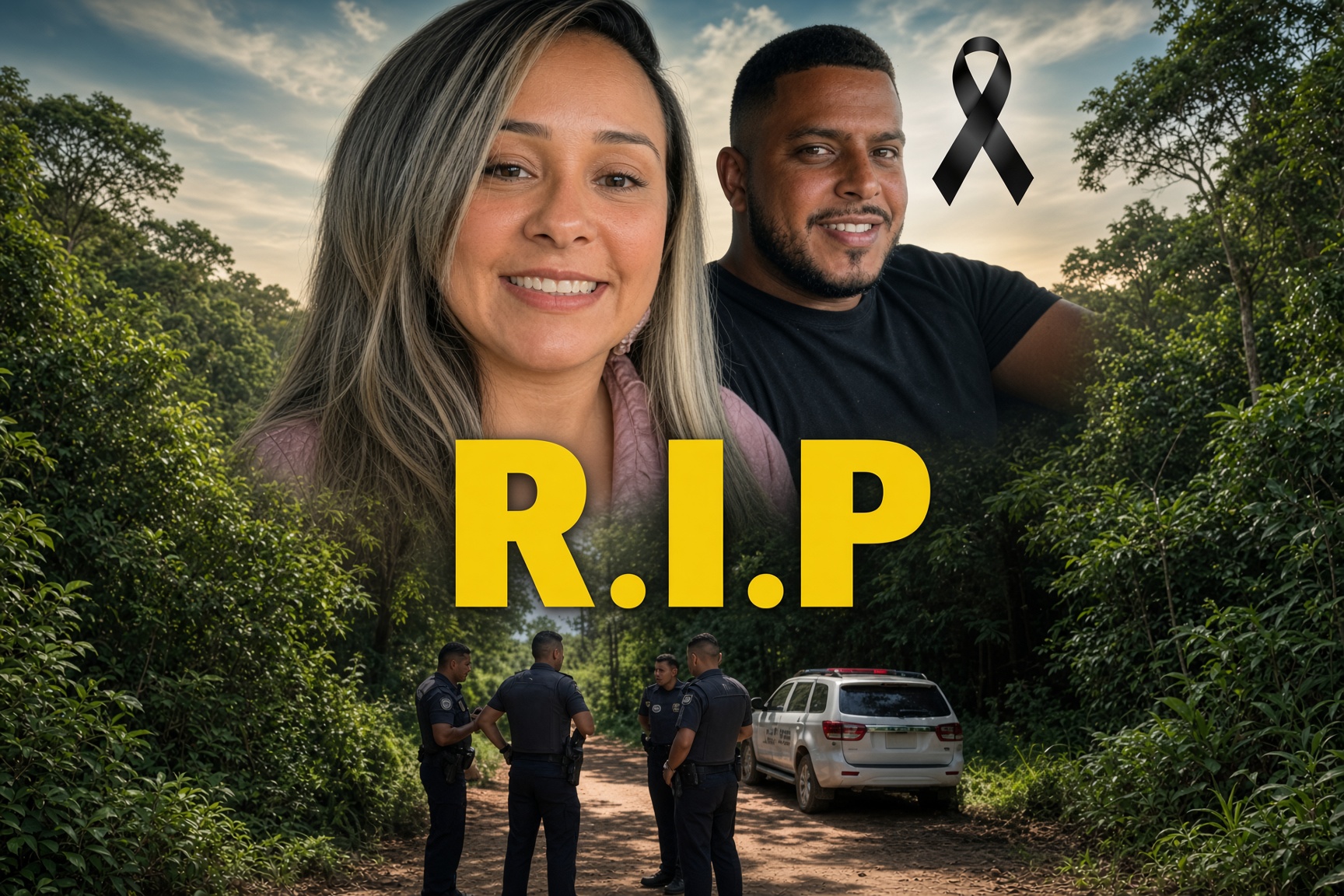
The conclusion of the search for the missing couple has not brought relief. Instead, it has ushered in a period of profound grief for those who knew them. What began as a frantic effort driven by the hope of a safe return has shifted into quiet mourning. Candles now flicker where emergency lights once flashed, and flowers line the roadside as strangers pause to honor two lives that have resonated with an entire community.
For days, family members, friends, and volunteers held vigil, clinging to the possibility that the pair might still be found unharmed. The end of the search has left behind not only sorrow but also lingering questions and a community struggling to process how a routine journey could end in such tragedy.
The couple’s disappearance has altered the meaning of everyday places. A stretch of road that once served as an unremarkable path between destinations now stands as a stark reminder of loss. People who never met them personally have come to recognize their faces and fragments of their stories through photographs that circulated widely. Images once shared only among relatives and close companions now form part of a shared public recollection.
Those nearest to them hold onto the intimate details that gain significance in the wake of loss—the sound of their laughter, the rhythms of their daily lives, the spots they favored, and the simple moments that previously passed without notice. Those recollections now carry a heavier significance.
As investigators piece together timelines, review evidence, and seek to clarify precisely what occurred, the broader community has responded on a more personal level. At makeshift memorials and informal gatherings, people have placed flowers, lit candles, and left handwritten messages. Others have stood in silence, offering tribute to two lives cut short under circumstances that remain difficult to comprehend.
For the families, however, acts of remembrance cannot fill the void left by unanswered questions. Investigators continue to examine the available evidence and reconstruct the details of the couple’s last journey. Inquiries into the route they took, the events that unfolded along the way, and the factors that led to the tragedy will likely require additional time.
The loss has prompted reflection far beyond the immediate area. Parents double-check that loved ones have arrived safely. Partners exchange messages urging each other to “get home safe.” Friends place calls simply to hear a familiar voice. These gestures of care and caution take on greater weight when a community faces sudden absence. An ordinary farewell can, without warning, become a final one.
Over time, the roadside and surrounding landscape may regain their ordinary appearance. Flowers will wilt, candles will burn out, and the gatherings will disperse. Yet for the families and friends left behind, the memories endure.
The couple were more than images on posters, subjects of headlines, or entries in case files. They were people with relationships, habits, personalities, and those who cherished them. While investigators work to establish the complete circumstances of their final journey, those who knew them retain recollections that timelines and evidence cannot fully capture.
The search has concluded, but the story of their lives—and the grief of those who lost them—continues. In the quiet that follows the mention of their names, a simple assurance remains from those who cared: they will not be forgotten.