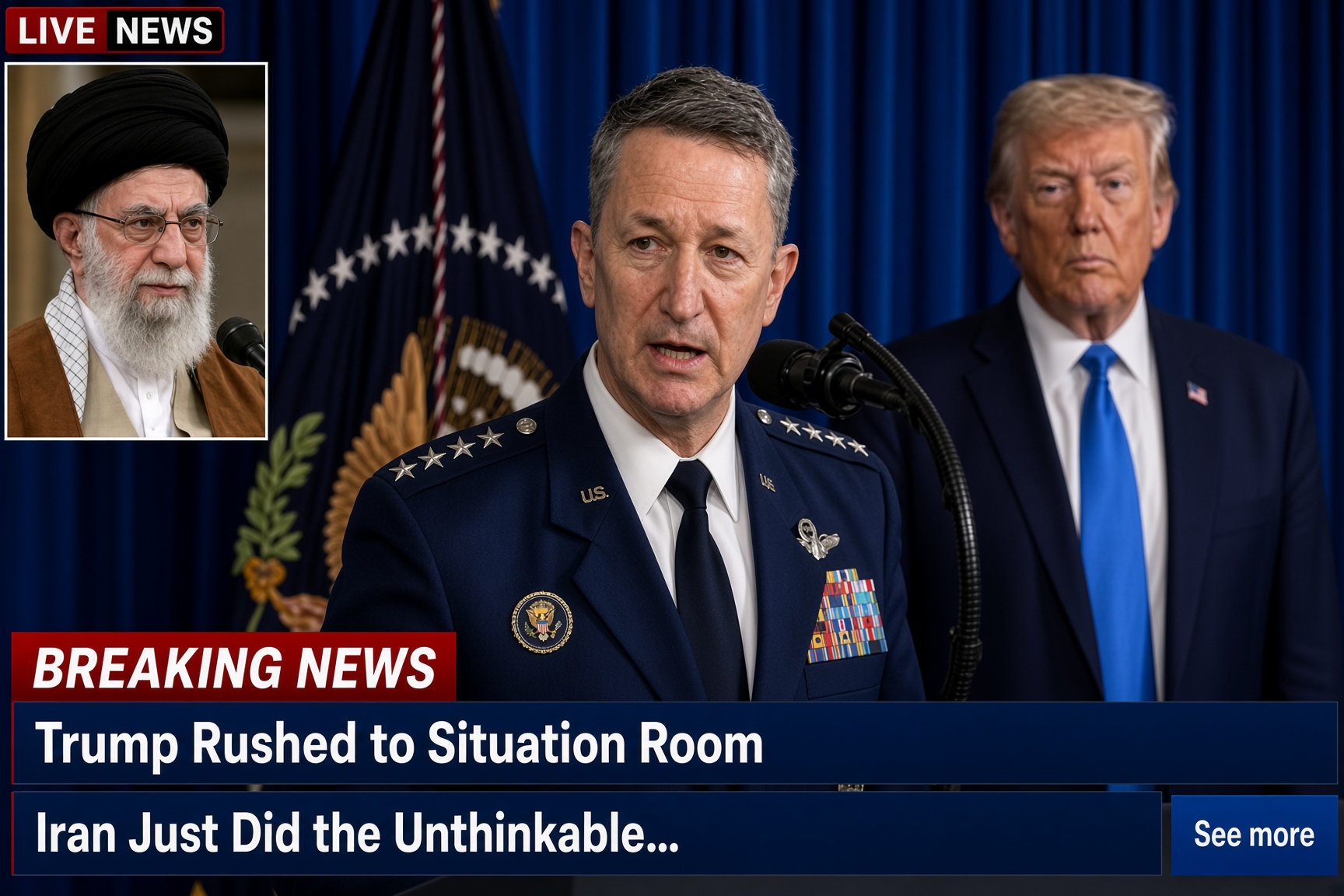
U.S. Central Command confirmed that American and Saudi forces conducted a coordinated response after Iranian ballistic missiles targeted U.S. positions. In one statement, CENTCOM reported that all incoming Iranian missiles were successfully intercepted, with American forces remaining at a high state of readiness. In a second update, the command stated that U.S. and Saudi fighter aircraft carried out precision strikes across eastern Iraq against IRGC-directed logistics and weapons sites linked to more than 30 drone attacks in the preceding 72 hours.
The sequence was direct: Iran launched missiles from its own territory, U.S. defenses intercepted them, and joint forces then struck the proxy infrastructure used to stage repeated attacks. From February through April 2026, Iran-aligned militias in Iraq conducted more than 600 attempted attacks on U.S. personnel and facilities. These operations formed part of a sustained, IRGC-directed campaign rather than isolated incidents, occurring while the same U.S. forces managed regional negotiations, enforced no-fly zones, and maintained a military presence.
Iran’s decision to fire ballistic missiles from its soil while engaging in talks over sanctions relief underscored the gap between diplomacy and military action. Saudi participation marked a further shift. Saudi aircraft flew alongside American jets and struck targets in Iraq, reflecting Riyadh’s assessment that IRGC-linked attacks on its energy infrastructure warranted a military response conducted in coordination with the United States. The joint operation illustrated an operational coalition focused on countering Iranian proxy networks in the region.
The response followed a specific warning from President Trump the previous week concerning attacks on shipping, bridges, or power infrastructure. Instead of testing those thresholds with the actions named in the warning, the IRGC launched ballistic missiles directly at American forces. The same evening, the missiles were intercepted and proxy sites were struck. CENTCOM issued a further warning that additional attacks would prompt additional responses.
The pattern contrasted with earlier periods in which Iran expanded enrichment capacity, funded proxies, and conducted attacks while negotiations continued. In this instance, missile launches were met with interception and the subsequent destruction of associated logistics sites in Iraq. U.S. and Saudi officials presented the actions as a clear signal that further IRGC-directed attacks would draw proportional military replies. The events of that day demonstrated both defensive success against direct Iranian fire and offensive action against the proxy networks that had generated hundreds of attacks over the preceding months.