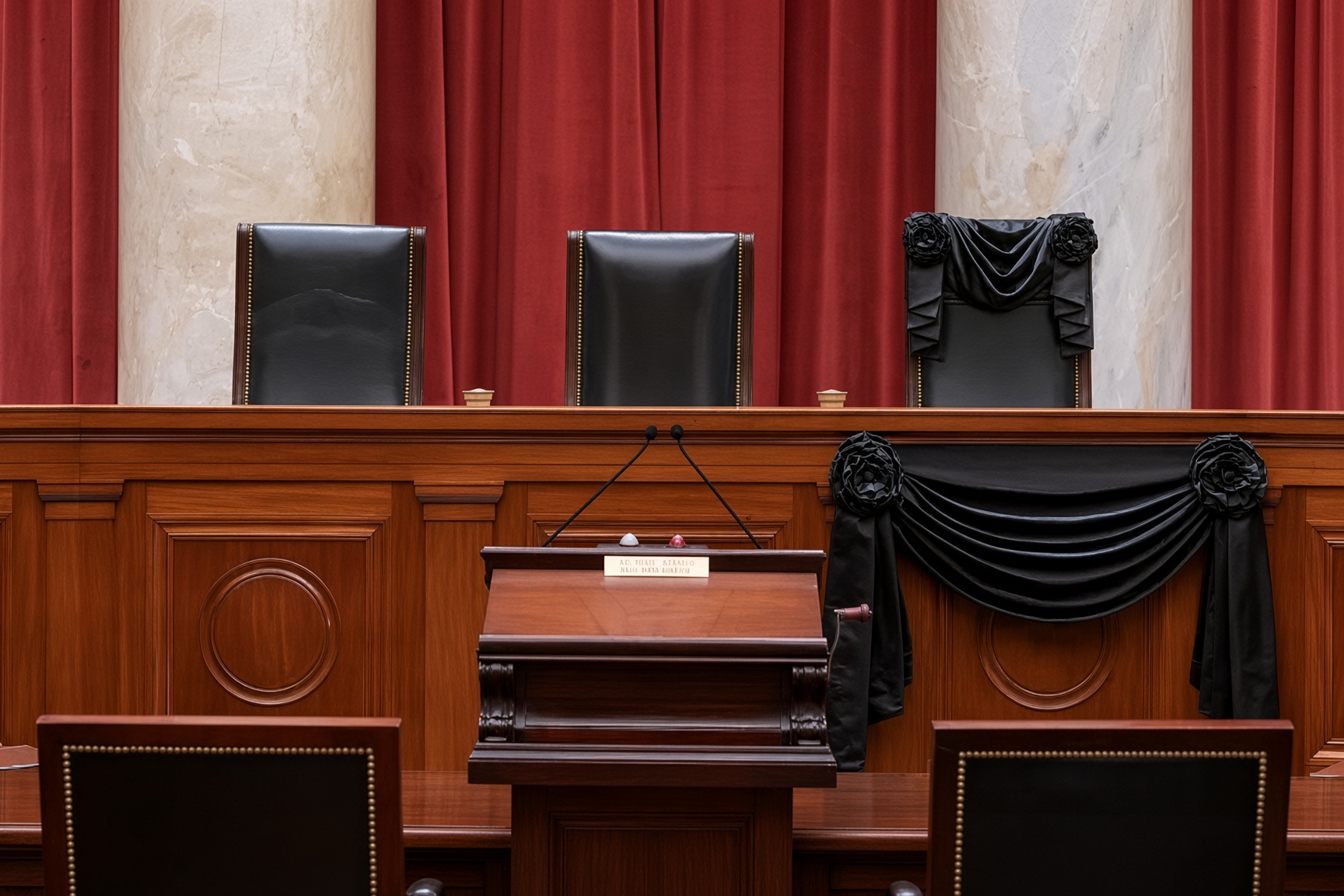
Utah Supreme Court Justice Diana Hagen resigned on May 8, 2026, effective immediately, after weeks of scrutiny and calls from top Republican leaders for further inquiry into misconduct claims that the state’s Judicial Conduct Commission had already dismissed.
Governor Spencer Cox announced the resignation. It followed an investigation threat from Cox, House Speaker Mike Schultz, and Senate President J. Stuart Adams into allegations that Hagen had an improper relationship with attorney David Reymann. Reymann represented plaintiffs in the high-profile redistricting lawsuit challenging the Legislature’s congressional map. The claims originated with Hagen’s ex-husband and were submitted to the commission and Chief Justice Matthew Durrant. Both Hagen and Reymann denied any inappropriate relationship. Hagen had voluntarily recused herself from related matters, citing a renewed friendship.
The bipartisan Judicial Conduct Commission reviewed the complaint, conducted a preliminary investigation, and voted to dismiss it. Commission staff described the allegations as speculative, overstated, and misleading, with very little credibility and insufficient evidence of judicial misconduct. The report noted discrepancies between the complaint and information from Hagen’s ex-husband, and concluded there was no support for claims that she failed to recuse properly or acted under a conflict.
Despite the dismissal, the confidential report became public through a records request handled by the House. Republican leaders said unanswered questions remained and announced an independent investigation. The Utah Republican Party also mounted a campaign urging voters to reject Hagen in the upcoming retention election. These developments unfolded against a backdrop of friction between the Republican-controlled Legislature and the judiciary following several rulings unfavorable to GOP priorities, including on redistricting and the Legislature’s power to alter voter-approved ballot initiatives. Lawmakers had earlier moved to expand the Supreme Court by adding seats, a step critics viewed as an effort to influence the court’s direction.
In her resignation letter to Cox, Hagen expressed deep sadness and respect for her colleagues while regretting the disruption her departure would cause the court and litigants. She noted her decades of public service as a prosecutor and judge, including work on high-profile cases such as the prosecution related to the Elizabeth Smart kidnapping, and affirmed that she had upheld her constitutional oath and ethical duties. She acknowledged that public officials accept greater scrutiny and reduced privacy. However, she wrote that her family and friends had not chosen public life and did not deserve to have intensely personal details about the painful end of her thirty-year marriage subjected to public examination. She stated that she would have preferred to continue serving the people of Utah but could not do so without harming the privacy and well-being of those close to her or the effective functioning and independence of the judiciary.
Schultz and Adams issued a joint statement describing the resignation as in the best interest of the court and confirming that no further investigations into these specific allegations would proceed. In a separate joint statement, Cox, the legislative leaders, and Chief Justice Durrant said the three branches of government would work together on potential reforms to the Judicial Conduct Commission to strengthen accountability and public confidence.
Durrant separately said he was saddened by the departure and praised Hagen’s contributions, including her earlier prosecutorial work, support for crime victims, mentoring of young attorneys, and public outreach. The Utah State Bar described her resignation as a significant loss and suggested she had faced unfair scrutiny after the commission’s dismissal. A nonpartisan group focused on judicial independence criticized the pressure as a coordinated campaign with potentially broader effects on the courts.
Hagen, appointed by Cox in 2022 after serving on the Utah Court of Appeals, left a vacancy. Combined with other openings, it represented a third seat on the court for the governor to fill, continuing to shape the institution’s future composition.