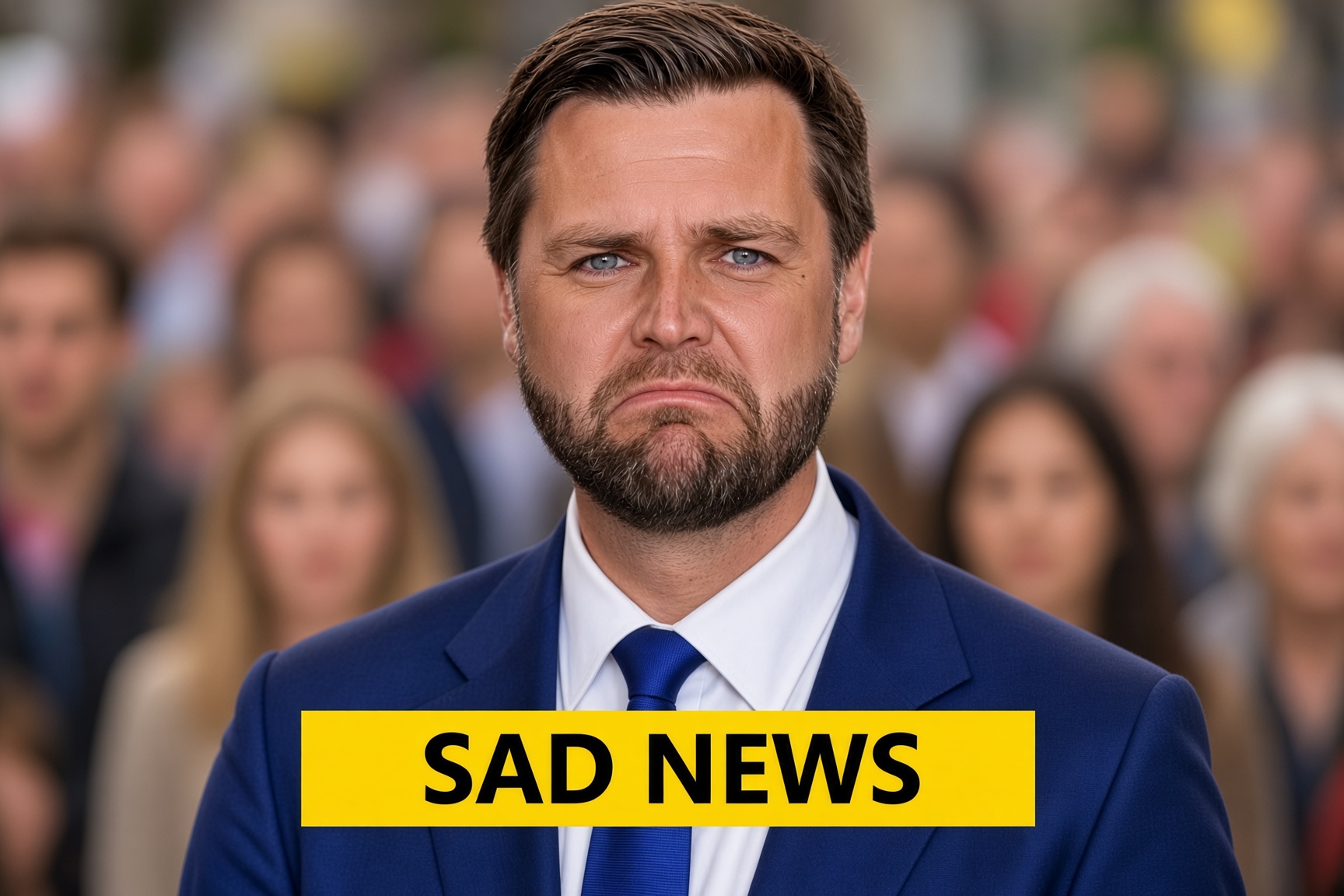
Vice President JD Vance has opened a wide early lead in the race for the 2028 Republican presidential nomination, drawing both strong grassroots support and pointed warnings from Democratic observers that he should not be underestimated.
An Emerson College poll released last week placed Vance’s favorability at 46 percent, higher than several other prominent Republicans and Democrats. CNN chief data analyst Harry Enten noted that Vance currently holds roughly a 40-point advantage in early GOP nomination surveys, a margin he described as historically significant. Political analyst Chris Cillizza cautioned Democrats on social media that dismissing the vice president would be a mistake.
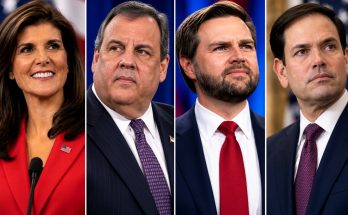
At Turning Point USA’s AmericaFest in Phoenix, Vance captured 84.2 percent support in a straw poll of conservative activists, slightly exceeding Donald Trump’s 82.6 percent showing at the same event in 2024. Marco Rubio finished a distant second with 4.8 percent, followed by Ron DeSantis at 2.9 percent and Donald Trump Jr. at 1.8 percent. During the gathering, Turning Point USA CEO Erika Kirk told the crowd that attendees would help elect “my husband’s friend JD Vance” in 2028, a remark that drew sustained applause.
Enten has pointed to historical patterns showing that early frontrunners have secured their party’s nomination 63 percent of the time since 1980. Vance himself has so far avoided declaring a 2028 candidacy. In a recent interview with Fox News host Sean Hannity, he said the immediate priority is winning the 2026 midterms and that any discussion of a future campaign would come later, in consultation with President Trump.
In his AmericaFest speech, Vance criticized Democratic leaders over California’s power grid problems, border security, and gang violence, and predicted that Democrats would ultimately choose between California Governor Gavin Newsom and Vice President Kamala Harris as their nominee. Sitting vice presidents traditionally enter the primary season with built-in advantages in name recognition and institutional support. With three years remaining before the general election, Vance’s early positioning follows a pattern that has often favored the eventual nominee. Trump has not yet endorsed a successor, leaving open the possibility that a future statement from the former president could still reshape the field.