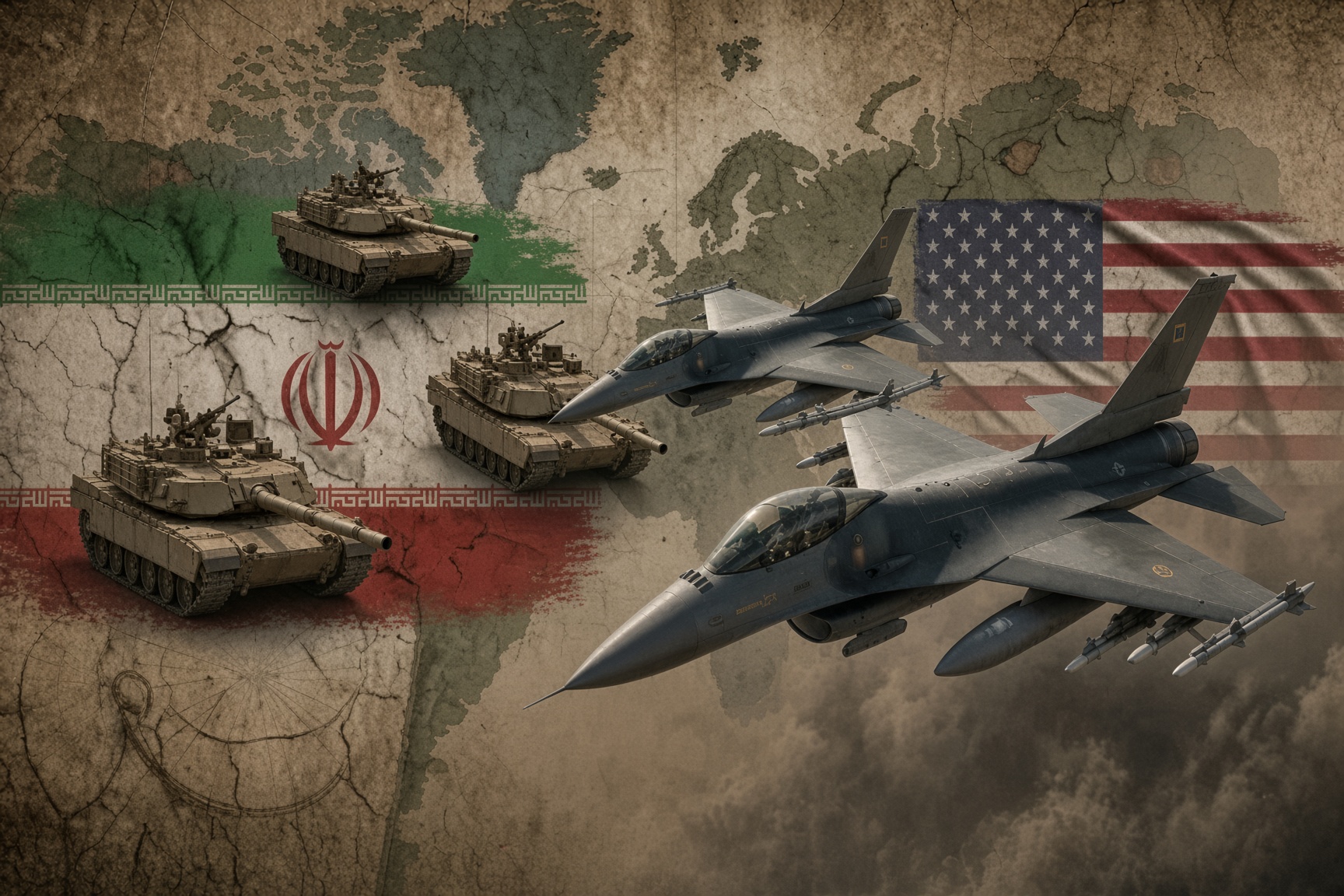
The Trump administration’s standoff with Iran continues to escalate, with the Strait of Hormuz remaining the focal point of a deepening diplomatic, military, and economic crisis. The narrow waterway carries a substantial share of global oil and liquefied natural gas shipments, so any sustained disruption raises immediate concerns for energy markets and international security.
Diplomatic channels have shown limited progress. Secretary of State Marco Rubio has emphasized Washington’s focus on ensuring safe passage through the strait while cautioning that talks over Iran’s nuclear program remain far more complex. Earlier discussions involving Iran and Oman produced some movement, but those advances have not translated into a durable agreement. Broader efforts toward a settlement have stalled, an earlier cease-fire has collapsed, and intermittent military exchanges have resumed.
The United States is maintaining a naval blockade of Iranian ports and coastline alongside stringent sanctions. Iranian oil exports have been sharply curtailed as a result. Tehran has rejected key American conditions and continues to assert control over transit through the strait, stating it will reopen the waterway only if Washington meets its demands, including an end to hostilities and relief from the blockade and sanctions. Iran’s foreign ministry has warned that it will use all available means to confront the blockade, which it describes as an act of aggression.
Gulf markets have reacted cautiously. Investors remain alert to further risks to regional security and energy flows, particularly after Iran signaled readiness to retaliate against additional U.S. measures. Shipping traffic through the strait has fluctuated, with periods of reduced volume linked to attacks on tankers and heightened tensions.
Military operations have run in parallel with diplomacy, complicating any path to a negotiated pause. Recent U.S. strikes have targeted Iranian air-defense systems, radar installations, missile sites, and related military infrastructure, including locations near the strait. Iran has responded with missile and drone attacks directed at American forces and regional partners. These exchanges mark a clear break from earlier attempts to hold a cease-fire while talks continued.
With both sides maintaining pressure—the United States through its blockade, sanctions, and selective strikes, and Iran through disruption of shipping and retaliatory actions—the prospects for a broader settlement remain uncertain. The strategic importance of the Strait of Hormuz ensures that any further escalation will carry consequences well beyond the region.