The U.S. Navy has concluded an extensive search for a sailor who went missing after an MH-60S Sea Hawk helicopter made an emergency landing in the Arabian Sea. The operation, which spanned more than 102 hours and covered over 14,000 square miles of open water, ended without locating the missing crew member.
Four other sailors were rescued from the water and survived. The Navy has not released the missing sailor’s name, pending notification of the individual’s family, in accordance with standard procedures for reporting service-member casualties.
The helicopter was assigned to the aircraft carrier USS George H.W. Bush and reportedly made the emergency landing at approximately 3:30 a.m. Eastern Time on Wednesday, July 1. The incident took place in waters under the operational responsibility of U.S. Central Command. Military officials have stated there is currently no evidence indicating that hostile action caused the emergency landing, though the circumstances remain under investigation.
Navy Confirms End of Search Operations
U.S. 5th Fleet confirmed the conclusion of the search in an official statement. “The efforts concluded following an extensive search by the U.S. Navy and U.S. Air Force in the U.S. Central Command area of responsibility,” the fleet said.
A separate statement provided further detail on the scale of the effort: “For more than 102 hours, an extensive and coordinated search and rescue effort spanning over 14,000 square miles was conducted.” The operation involved military aircraft and naval resources across a large area of the Arabian Sea. Despite the prolonged effort, search crews were unable to recover the missing sailor.
Reports indicated that three of the four rescued crew members were in stable condition aboard the USS George H.W. Bush. Three sailors reportedly sustained injuries during the emergency landing, although additional medical details have not been released.
Investigation Underway
The Navy has not yet identified the cause of the emergency landing or fully explained the circumstances surrounding the sailor’s disappearance. Investigators are expected to examine the aircraft’s condition, the crew’s actions, weather and sea conditions, and other operational factors that may have contributed to the incident.
Officials have not publicly attributed the landing to enemy activity. The MH-60S Sea Hawk is a multirole naval helicopter used for search and rescue, logistics, combat support, and other missions. Its presence aboard the USS George H.W. Bush is consistent with the carrier’s role supporting U.S. military operations in the region.
Regional Context
The incident occurred amid ongoing military activity across the broader Central Command region, including the Arabian Sea and the Strait of Hormuz. U.S. and Iranian forces have been involved in a series of confrontations in recent months. According to the account provided, the sailor’s death would bring the reported number of American service members killed in the escalating conflict with Iran to 14. That figure has not been independently verified here and would require confirmation from official military casualty announcements.
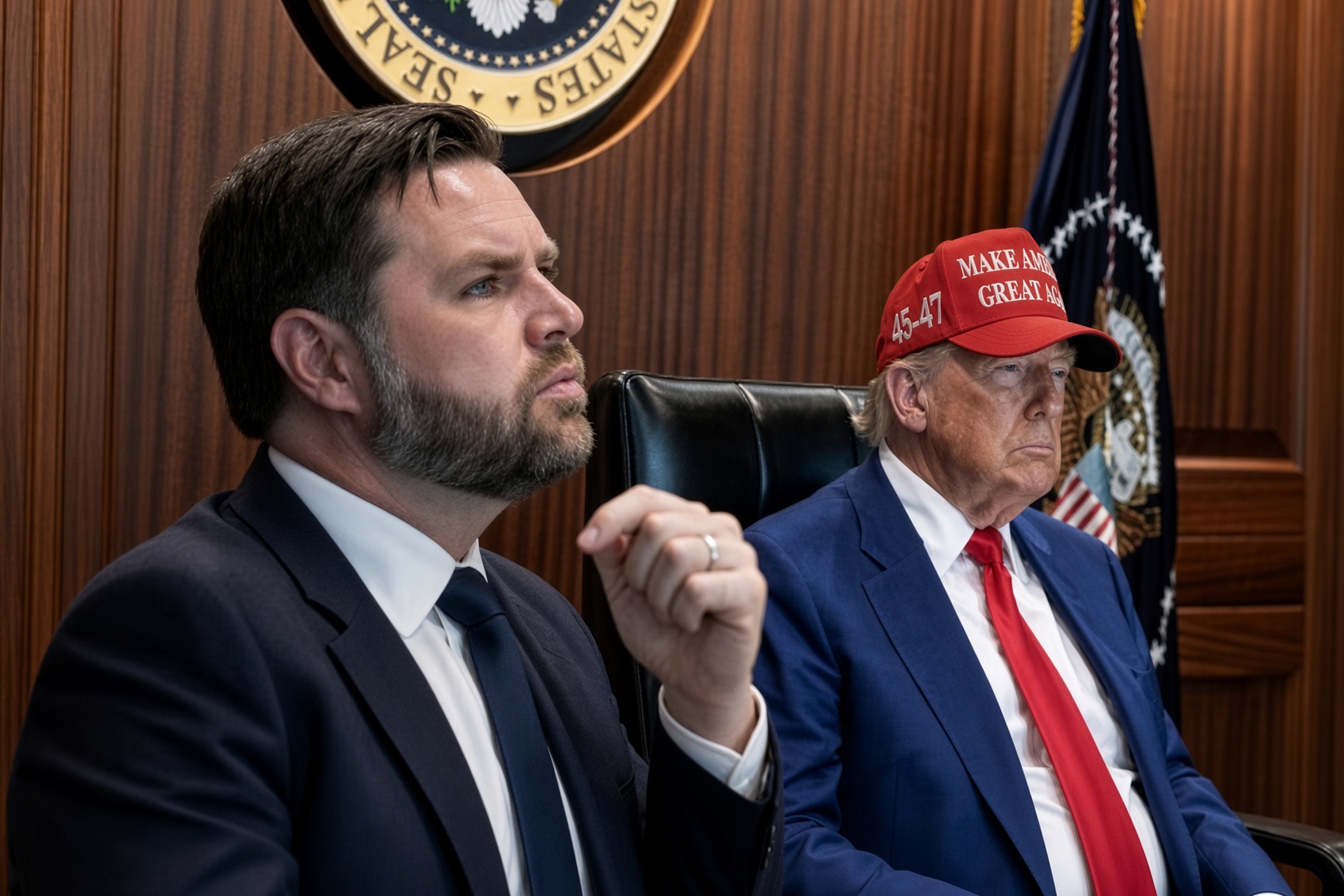
Diplomatic efforts have continued alongside military operations. Vice President JD Vance has expressed support for pursuing a diplomatic resolution, while President Donald Trump has indicated that his administration remains interested in reaching an agreement with Tehran. The dual track of diplomacy and sustained force posture underscores the difficulties of managing tensions while American forces remain deployed throughout the region.
Impact on Families and Next Steps
For the missing sailor’s family, the end of the search represents a difficult turning point. After more than four days of sustained rescue efforts, the sailor has not been recovered, leaving relatives and fellow service members awaiting further information from the Navy.
The service’s investigation into the emergency landing may take considerable time as officials work to establish the sequence of events and determine whether operational or technical factors contributed to the incident. The conclusion of the search does not end the military’s responsibility to examine what occurred. Authorities are expected to continue reviewing the circumstances and to provide information to the sailor’s family as it becomes available.
The MH-60S emergency landing and the subsequent unsuccessful search highlight the inherent risks faced by American service members operating over and near open water, particularly in a region experiencing heightened military tensions. While the search has ended, questions surrounding the cause of the incident and the fate of the missing crew member remain unanswered.