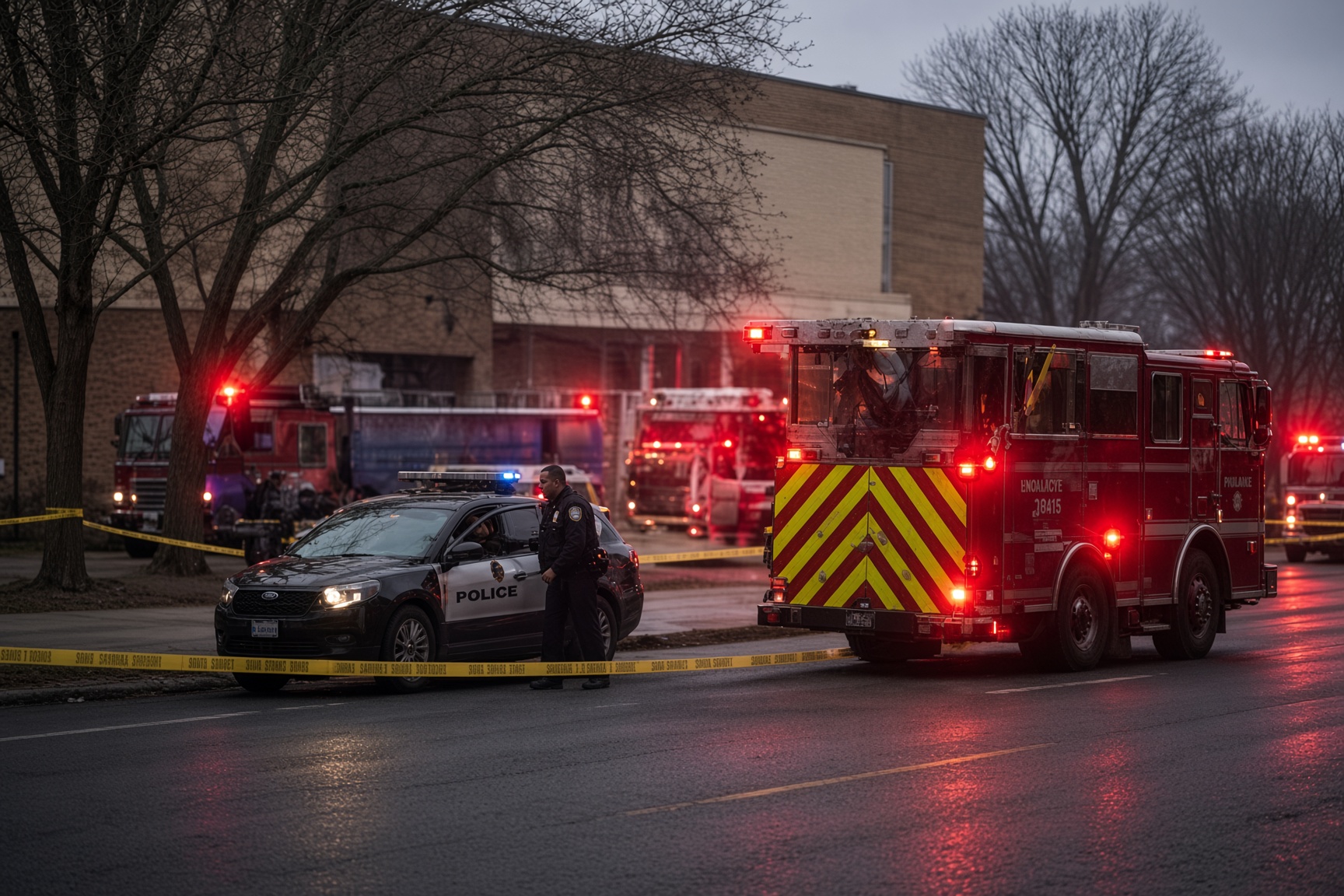
A tragic multi-vehicle accident on one of Mexico’s most important transportation corridors has drawn national attention, not only because of the lives lost but because of the broader questions it raises about road safety, infrastructure, and accountability. The Mexico–Querétaro Highway, a vital artery linking Mexico City to major industrial and commercial regions to the north, became the site of a devastating chain-reaction collision that disrupted traffic for hours and left families mourning sudden, unexpected losses.
What began as an ordinary day for commuters, long-haul drivers, and freight operators quickly turned into a crisis. Near the municipality of Huehuetoca, at the well-known Jorobas intersection, several vehicles—including private cars and heavy freight trucks—collided with catastrophic force. Emergency responders were dispatched within minutes, yet the scale of the incident revealed how fragile even the most essential infrastructure can become when multiple risk factors converge at once.
A Critical Highway Turned Scene of Tragedy
The Mexico–Querétaro Highway is widely regarded as one of the busiest and most economically significant roads in the country. Every day, thousands of vehicles travel its length, carrying goods, connecting cities, and supporting the movement of people across central Mexico. Its importance to commerce and daily life means that any major disruption is felt far beyond the immediate crash site.
On the day of the accident, traffic conditions were typical for this heavily used corridor. Within moments, however, normalcy gave way to confusion and destruction. The crash occurred near the Jorobas intersection, an area already familiar to drivers for its complicated traffic patterns and frequent congestion. Witnesses described a sudden, overwhelming sequence of events: vehicles colliding with immense force, wreckage scattering across multiple lanes, and the sound of impact followed first by silence, then by alarms, horns, and urgent calls for help. A routine stretch of highway was transformed into an emergency zone requiring immediate, coordinated attention.
Emergency Response: Speed, Coordination, and Urgency
The response to the accident was swift and extensive, reflecting the seriousness of the situation. Emergency services from multiple agencies mobilized rapidly, including paramedics, firefighters, and civil protection units. Their coordinated efforts proved essential in managing both the immediate aftermath and the ongoing rescue operations.
First responders faced a challenging environment. Several victims were trapped inside damaged vehicles, requiring specialized tools and techniques to extract them safely. Rescue teams worked under intense pressure, carefully navigating debris and unstable wreckage to reach those in need. Medical teams established triage areas on-site, assessing and prioritizing victims according to the severity of their injuries. Some individuals required immediate life-saving interventions at the scene; others were stabilized and prepared for transport to nearby hospitals.
Ambulances operated continuously, shuttling between the crash site and medical facilities in surrounding areas. Hospitals had already begun preparing for incoming patients, coordinating staff and resources to handle the sudden surge in emergency cases. This level of preparedness played a crucial role in providing timely care. Even so, the human cost was severe. Each life lost represented a family altered, a future interrupted, and a community left grieving. For survivors, the challenges extended beyond physical injuries to include emotional trauma and long-term recovery.
Managing Chaos: Traffic Control and Public Safety
As rescue efforts continued, authorities also had to confront the growing traffic crisis caused by the accident. The highway quickly became congested, with long lines of vehicles stretching for kilometers in both directions. For many drivers, what had been expected to be a routine journey turned into hours of waiting under tense and uncertain conditions.
Security forces took control of the situation, implementing detours and redirecting traffic away from the crash site. Their goal was to protect both emergency personnel and stranded motorists while allowing rescue operations to proceed without interference. Heavy machinery was brought in to clear debris and remove damaged vehicles, yet the extent of the destruction made this process slow and complex. Restoring even partial traffic flow required careful coordination and considerable time.
The presence of emergency lights, crushed vehicles, and uniformed personnel created a somber atmosphere. For those passing by or waiting nearby, the scene served as a stark reminder of how quickly circumstances can change on the road—and of the vulnerability that persists even on major, well-traveled highways.
Investigating the Causes: A Complex Puzzle
As the immediate emergency response began to wind down, attention shifted toward understanding what caused the accident. Investigators launched a thorough inquiry, examining multiple factors that may have contributed to the collision.
Early indications suggested that excessive speed could have played a role. On highways where vehicles travel at high velocities, even a small error in judgment can produce serious consequences. When combined with other factors, the risk increases significantly. Environmental conditions were also considered. Reports indicated that visibility may have been reduced at the time of the crash, possibly due to fog, lighting conditions, or other atmospheric factors. Reduced visibility limits reaction time and makes it more difficult for drivers to anticipate hazards ahead.
Another critical area of investigation involves the mechanical condition of the vehicles involved, particularly heavy freight trucks. Authorities are reviewing maintenance records, inspecting braking systems, and analyzing tire conditions to determine whether technical failures contributed to the incident. This process is detailed and methodical. Investigators are reconstructing the sequence of events, collecting witness statements, and analyzing physical evidence. Their findings will not only help determine accountability but may also highlight broader issues within the transportation system—issues that extend beyond any single crash.
The Human Impact: Beyond Statistics
While investigations and technical analyses are essential, the human cost of the accident cannot be overlooked. Each life lost represents a family affected, a future altered, and a community in mourning. For the families of the victims, the search for answers is deeply personal. Understanding what happened becomes part of the process of coping with loss; it offers a measure of clarity even though it cannot undo the tragedy.
Survivors face challenges that extend well beyond physical injuries. Emotional trauma, stress, and long-term recovery are realities that many will have to navigate. Support from medical professionals, communities, and loved ones becomes crucial in the healing process. This human dimension transforms an accident from a news story into a lasting memory for those affected. It also underscores why addressing underlying causes matters: to prevent similar events from occurring in the future.
Renewed Focus on Road Safety
In the aftermath of the accident, discussions about road safety have gained renewed urgency. Experts, advocacy groups, and citizens are calling for meaningful changes to reduce risks on major highways. One of the primary concerns is the enforcement of speed limits, especially for large commercial vehicles. Stricter monitoring and meaningful penalties could help ensure compliance and reduce dangerous driving behaviors that put everyone on the road at risk.
Regular mechanical inspections are another key area. Ensuring that vehicles—particularly those carrying heavy loads—are in proper working condition is essential for preventing technical failures that can lead to catastrophic accidents. Infrastructure improvements are also being discussed. High-risk areas like the Jorobas intersection may benefit from better lighting, clearer signage, and updated traffic-management systems. These changes could enhance visibility and help drivers make safer decisions under demanding conditions.
The Role of Drivers: Shared Responsibility
While systemic improvements are important, individual responsibility also plays a critical role in road safety. Every driver’s actions contribute to the overall safety of the road environment. Decisions such as maintaining a safe speed, staying alert, and adapting to changing road conditions can make a significant difference. Even experienced drivers must remain cautious, particularly on busy highways where conditions can shift rapidly.
Driving is not merely a routine activity; it is a responsibility that requires constant awareness and sound judgment. Recognizing this can help reduce the likelihood of accidents and protect not only the driver but others sharing the road.
Infrastructure and the Need for Long-Term Solutions
The accident has also highlighted the need for long-term investment in infrastructure. As traffic volumes continue to grow, existing systems must evolve to meet increasing demands. Modernizing highways, improving traffic flow, and incorporating advanced safety technologies can help create a safer driving environment. This includes the use of intelligent traffic systems, better road design, and enhanced monitoring capabilities.
Such improvements require collaboration between government agencies, private-sector stakeholders, and the public. While they may take time and resources to implement, their impact can be far-reaching. Without sustained attention to both physical infrastructure and operational standards, the risks that contributed to this tragedy will remain.
Returning to Normalcy—But Not Forgetting
As cleanup efforts continue and traffic gradually returns to normal, the physical signs of the accident will eventually disappear. The highway will once again serve its purpose as a vital transportation link. However, the memory of what occurred remains. For those directly affected, the impact is lasting. For others, it serves as a reminder of the importance of vigilance and responsibility.
Incidents like this are not isolated events; they form part of a broader pattern that calls for attention and action. Learning from them is essential for preventing future tragedies. The Mexico–Querétaro Highway will resume its role in the nation’s economy, but the questions it has raised about safety, maintenance, enforcement, and design should not be set aside once the wreckage is cleared.
A Call for Awareness and Change
Ultimately, the accident on the Mexico–Querétaro Highway is a reminder of the delicate balance between efficiency and safety in modern transportation systems. It highlights the need for continued efforts to improve conditions, enforce regulations, and promote responsible behavior. Change does not happen overnight, but each step—whether through policy, infrastructure investment, or individual action—contributes to a safer environment. The goal is not only to respond to tragedies but to prevent them from occurring in the first place.
Beyond the investigations, discussions, and recovery efforts, what remains most important is the human impact. The lives lost and affected by this accident are more than numbers; they are stories, relationships, and memories that deserve to be honored. This tragedy serves as a powerful reminder of why road safety matters. It is not solely about rules and regulations; it is about protecting lives and ensuring that journeys end safely.
As the nation reflects on this event, the hope is that it will lead to meaningful, sustained change—so that fewer families have to experience similar loss in the future. The Mexico–Querétaro Highway will continue to carry the weight of the country’s commerce and daily movement. The responsibility now lies with authorities, operators, and drivers alike to ensure that the lessons of this day are not forgotten.