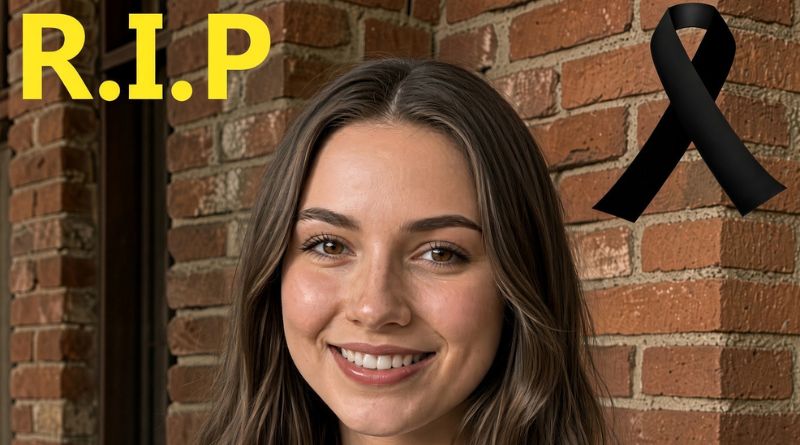
Ana was 20 when she died in Mexico. Her death has left family, friends, and neighbors grieving, and it has also reopened a difficult public conversation about menstrual health: what counts as ordinary discomfort, what should prompt a medical visit, and why so many young women still hesitate to ask.
The details released so far link her death to complications involving menstrual health. The precise clinical circumstances have not been fully established, and physicians caution against treating one case as a diagnosis of what happened to her. What the loss has done, they say, is draw attention to symptoms that are often minimized until they become dangerous.
Menstruation is a normal part of health, not an illness. Mild cramping, fatigue, and changes in mood or flow are common. What is not routine is pain that stops someone from walking, working, or sleeping; bleeding heavy enough to soak through protection in an hour or two; dizziness; fainting; fever; or symptoms that worsen cycle after cycle. Those signs can point to treatable conditions, including severe anemia, endometriosis, fibroids, infection, or clotting disorders. A clinician can sort out which explanation fits. Dismissing them as something a person simply has to endure can delay care.
Advocates say that delay is often cultural as much as medical. Many girls are taught early that period pain is private and expected. Embarrassment, incomplete sex education, and the fear of being told they are overreacting keep symptoms unreported. Parents and teachers may lack clear language for the difference between typical cramps and warning signs. In places where gynecological visits are costly, distant, or stigmatized, that silence has a practical cost.
Ana’s death has sharpened those arguments. Friends posting tributes described a determined young woman who mattered to the people around her. Teachers and mentors have spoken about the future she did not get to use. For her family, any wider campaign is inseparable from that private loss: a daughter and friend whose relationships and plans ended abruptly.
Supporters are using the moment to press for concrete changes rather than slogans. They want menstrual-health lessons in schools that name heavy bleeding, fainting, and extreme pain as reasons to seek care. They want affordable access to gynecological services, and they want adults — parents, coaches, clinic staff — willing to take a teenager’s report seriously the first time. Memorial posts and community discussions have become an informal version of that message: if something about a cycle feels wrong, it is reasonable to ask a professional.
Health campaigns make a related point without claiming to explain Ana’s case. People should know their own pattern. A sudden change in flow, pain, or energy is information, not a complaint to be managed in private. Severe pain, unusually heavy bleeding, fainting, or persistent dizziness are reasons for evaluation, not proof that menstruation itself is normally life-threatening. Experts are explicit on that distinction. Most cycles are not emergencies. The risk lies in assuming that every severe symptom is ordinary.
For those who knew Ana, the hope attached to her name is narrow and specific. They want other young women to speak sooner, and they want the people around them to listen. Grief remains the center of the story. Awareness is what her family and supporters are asking the public to carry alongside it.