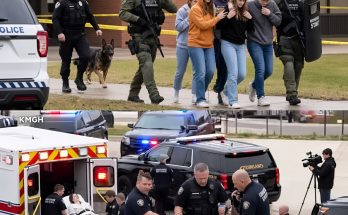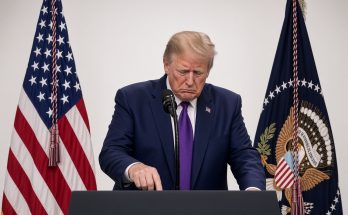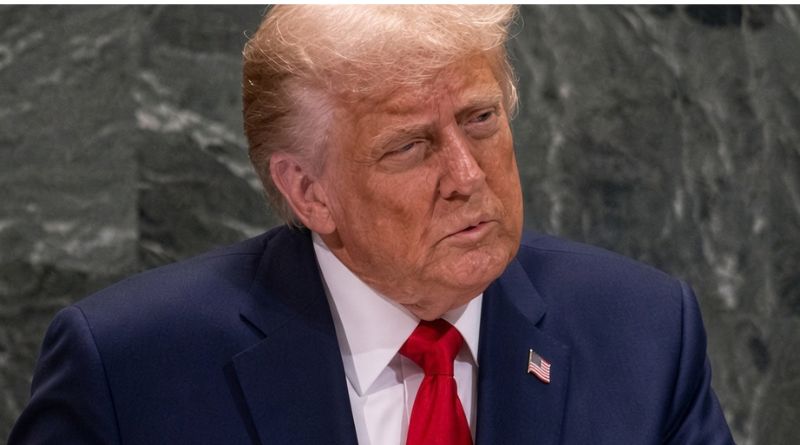
The Trump administration has expanded the federal law enforcement presence in Washington, D.C., arguing that the capital required a firmer response to violent crime. Officials directed federal agencies to take a larger operational role: pairing agents with local police, tightening enforcement of firearms and quality-of-life offenses, and coordinating the work through the D.C. Safe and Beautiful Task Force. The stated aims are fewer shootings, more prosecutions, and a restoration of public order in a city where Congress already holds unusual constitutional authority.
Some residents say the change is visible on the street. They describe more frequent patrols, fewer carjackings in their neighborhoods, and a sense that serious offenders are being removed from circulation. Supporters call the surge overdue. They argue that federal agencies have a legitimate stake in protecting the seat of government, and they point to Justice Department figures showing sharp year-over-year declines in homicides, robberies, and vehicle thefts. For them, the results are the argument: safer blocks, not a theoretical debate about jurisdiction.
Civil rights groups and community advocates warn that a heavier federal footprint carries costs that do not show up in a crime chart. Immigrant communities, they say, have grown more anxious. Accountability is harder when several agencies share the same streets, and residents are not always sure who is running a given stop or sweep. Critics also contend that the effort blurs the line between federal and local policing and tests the District’s limited home-rule arrangements, treating municipal authority as something that can be set aside when Washington decides the city has failed.
Those objections have sharpened a long-running argument about how D.C. is governed. Legal observers note that Congress has always retained substantial power over the capital, even after the city gained an elected local government. The current dispute is therefore not only about crime statistics. It is also about who sets policing priorities, how federal and municipal officials should coordinate, and how far the federal government can go before local self-government is treated as optional.
As the operation continues, officials, residents, and advocates are watching both the numbers and the institutions. The test they describe is whether safer streets can be produced without weakening oversight, civil liberties, or the city’s claim to govern itself.