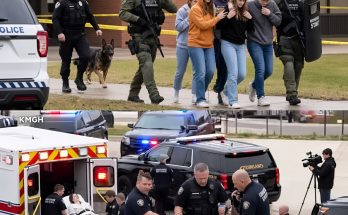
Rescue crews worked through the night after a rapid series of explosions struck buildings and nearby infrastructure, setting fires, driving residents into the streets, and leaving hospitals under heavy strain. Authorities confirmed fatalities and numerous injuries. Medical staff treated burns, blast injuries, and trauma from collapsing structures, while search teams moved through damaged districts whose full extent was still unclear. Early accounts indicated that residential buildings and public facilities had been severely hit.
Witnesses described a short, violent sequence. Many said they heard incoming projectiles, then a succession of blasts that shook the area, shattered windows, and filled streets with smoke. The attacks unfolded so quickly that people had little time to react. Some ran for underground shelter. Others tried to move through debris-filled roads toward relatives or open ground. Emergency responders entered the same streets under hazardous conditions, navigating rubble, damaged utilities, and fires that had not yet been brought under control.
Officials continued to urge civilians to remain in protected shelters. Damaged buildings, unstable infrastructure, and the possibility of unexploded hazards, they said, made any early return unsafe. The situation remained fluid. Rescue personnel worked around the clock to locate survivors, give urgent medical care, and assess destruction. Crews cleared debris and reached blocks that had been inaccessible in the first hours. Authorities warned that casualty figures could still rise and that the full scope of the emergency had not been determined.
Public alerts, issued through official channels, told residents to avoid damaged sites and follow instructions from emergency officials. Engineers cautioned that a structure can look intact from the street and still be compromised inside. Walls, foundations, and support systems can fail in ways that are not obvious, raising the chance of sudden collapse. For that reason, officials stressed that residents should not enter damaged buildings until professional inspections are complete.
Structural instability was described as one of the most serious dangers for both responders and civilians. Rubble blocked roads. Utility networks were damaged. Transport was disrupted in several areas. Those conditions slowed rescue work and raised the risk for anyone entering restricted zones without authorization. Specialized teams examined collapsed structures and debris fields with listening devices, cameras, and cutting equipment, looking for signs of life. Operations often required extreme caution because unstable material can shift without warning. Crews had to balance urgency with the safety of the people already on the ground.
Medical teams were deployed across the affected region. Hospitals and emergency facilities operated under increased pressure as the number of patients grew. Doctors, nurses, paramedics, and support staff worked extended hours. Officials praised their effort during a period of extraordinary demand, while noting that supplies, beds, and surgical capacity would need close management if arrivals continued.
Protecting survivors and emergency workers remained a stated priority. Rescue work involved unstable structures, damaged utility systems, and debris that could injure responders. Safety protocols were being enforced to reduce further harm during recovery. Humanitarian organizations monitored developments and coordinated with local authorities. Relief agencies began moving emergency supplies: food, drinking water, medical resources, blankets, hygiene products, and temporary shelter materials. The aim was to support displaced residents and cover basic needs while longer-term recovery was organized.
Aid was expected to expand as assessments clarified how many people had been affected. Relief groups often face logistical problems in major emergencies, especially when routes are damaged or communications are disrupted. Despite those obstacles, agencies worked to get essential assistance to vulnerable communities as quickly as conditions allowed.
Temporary shelters were opened for families forced from their homes. The facilities were meant to provide a safer setting where displaced residents could get food, water, medical support, and information about available services. Authorities said maintaining those options was critical while damage assessments continued across affected neighborhoods.
For many residents, uncertainty was among the hardest parts of the crisis. Families waited for news of loved ones. Others sought updates on missing relatives or on the condition of homes and businesses. Officials encouraged the public to rely on verified information from trusted sources and to avoid sharing unconfirmed reports that could add to confusion.
Emergency officials stressed public cooperation. Following evacuation orders, respecting restricted areas, and adhering to safety guidance, they said, can reduce risk and let responders work more effectively. Unnecessary movement inside hazardous zones can complicate rescue efforts and put additional lives at risk.
Communication was treated as a core part of the response. Government agencies, emergency services, and humanitarian organizations issued regular updates on safety measures, assistance programs, and operational developments. Residents were encouraged to stay informed and to pass accurate information to friends, family, and neighbors with limited access to official channels.
As searches continued, attention also began to turn toward longer-term recovery. Experts started evaluating damage to infrastructure, housing, transport, and public services. Rebuilding was expected to require substantial resources and coordination among government agencies, humanitarian organizations, and community leaders. Local officials thanked emergency responders, healthcare workers, volunteers, and aid personnel whose work had helped stabilize conditions and save lives. That work was described as essential, particularly while teams operated under difficult circumstances.
Community members showed resilience by supporting one another. Volunteers helped distribute supplies, assisted vulnerable people in reaching shelters, and offered practical support to families in need. Authorities continued to emphasize safety and coordination, while acknowledging that community solidarity has a real role in emergencies.
Weather remained a factor. Emergency planners monitored forecasts and environmental conditions that could affect operations. Heavy rain, strong winds, or other adverse weather can create further problems for responders and for people already displaced. Contingency plans were being developed to address possible complications.
Officials reiterated that casualty figures were preliminary and could change. In large emergencies, accounting for everyone affected is a complex process that requires careful verification. Search teams, medical personnel, and government agencies must compare information from multiple sources before a complete assessment is possible.
Investigators also worked to understand the sequence of events. Emergency response remained the immediate priority, but authorities said a thorough review would be needed to identify contributing factors and lessons for future preparedness.
Mental health professionals highlighted the emotional impact on survivors, families, and first responders. Sudden loss, displacement, and uncertainty can produce lasting psychological effects. Counseling services and support programs were being organized to help people cope with trauma and begin recovery. Children, older adults, and people with special needs may require additional assistance. Humanitarian groups worked to make support accessible to those facing particular challenges. Officials emphasized that recovery is not limited to physical rebuilding. It also involves emotional, social, and community needs.
Economic effects were becoming a growing concern. Businesses hit by the emergency may face prolonged disruption, and workers may see temporary or longer-term losses of employment and income. Government agencies and community organizations were expected to explore measures to support economic recovery and help affected people rebuild livelihoods. Schools and community facilities in impacted areas may also be disrupted. Buildings could need inspections, repairs, or alternative arrangements before normal operations resume. Officials were reviewing options to limit interruptions and let students continue their education safely.
Across the region, the focus remained on saving lives, supporting survivors, and restoring stability. Each day brought new developments as crews expanded searches and humanitarian organizations increased aid. Significant challenges remained. Authorities said coordinated action and public cooperation would be critical in the weeks ahead.
The message to residents stayed consistent: remain in protected shelters, avoid damaged locations, and follow instructions from emergency authorities. Those precautions were framed as protection for civilians while rescue teams worked under demanding conditions to reach people in need and assess ongoing risks.
As more areas became accessible, authorities hoped to gain a clearer picture of the damage. Until then, response efforts stayed centered on protecting communities, supporting affected families, and ensuring assistance reached those who needed it. The coming days were likely to be decisive in setting the scale of recovery. Officials, humanitarian organizations, volunteers, and local communities said they remained committed to working together. Through continued cooperation and support, affected areas would begin the long process of recovery and rebuilding, with the safety and well-being of residents treated as the highest priority at every stage.