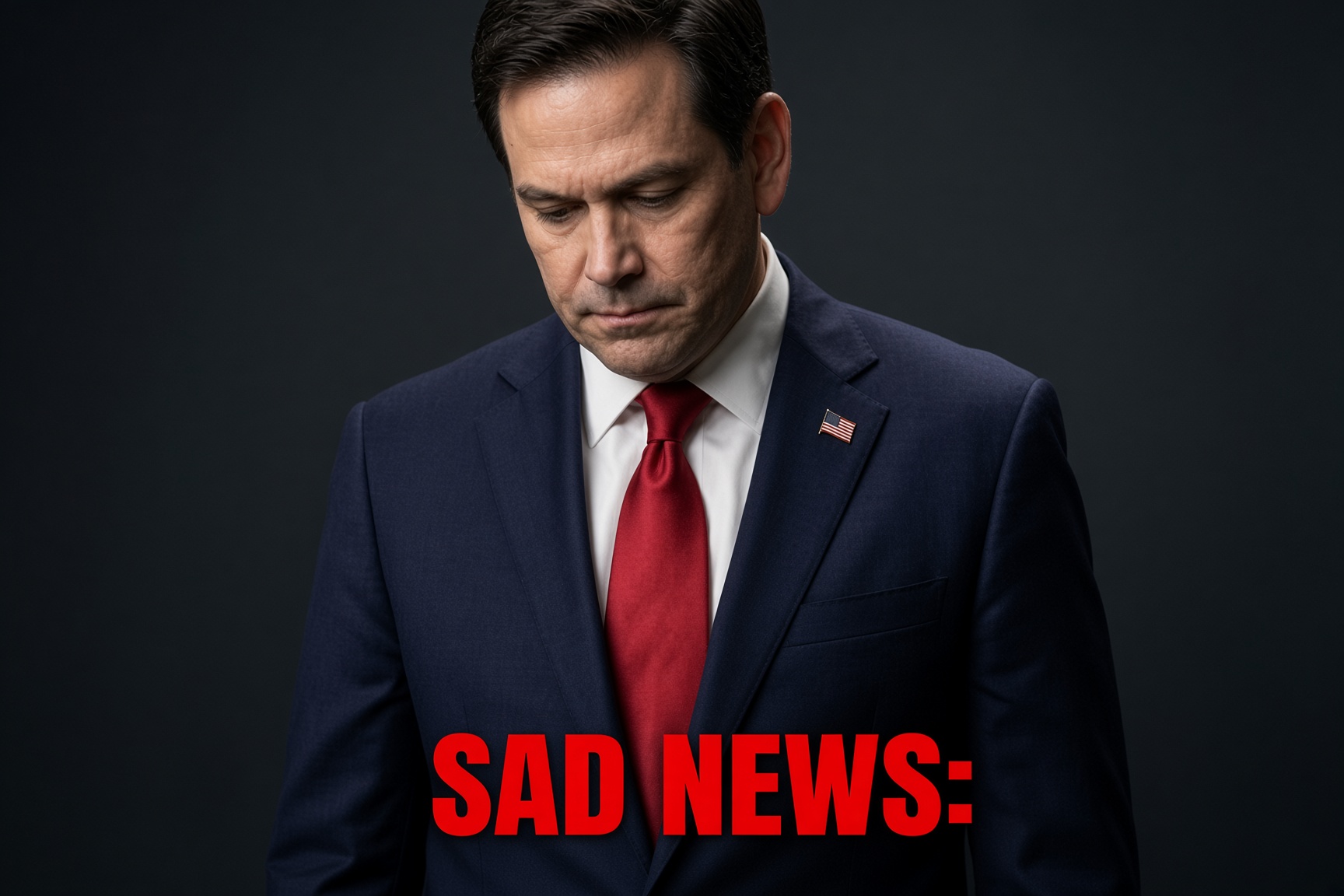
A subtle but significant power shift has placed Marco Rubio in charge of an office that operates largely outside public view. This office does not write laws or directly manage federal agencies, yet it functions as a decisive checkpoint for proposed regulations. Environmental, labor, and public-health rules developed over years of agency work can be delayed, revised, or effectively halted before they ever take effect.
The office reviews regulatory proposals and can request changes or extend its examination without fixed deadlines. No public hearing or recorded vote is required, and many decisions are issued with little or no public explanation. In practice, a rule that never emerges leaves almost no public record, allowing outcomes to be shaped by inaction as much as by formal approval. For decades this system attracted limited attention. Its technical character and low visibility kept it largely beyond ordinary political debate.
That relative obscurity is now fading. As concerns about government transparency have grown and trust in institutions has eroded, more observers are questioning how this form of authority is exercised. Critics argue that concentrating such influence in a single office removes decisions from public scrutiny and offers no clear avenue for challenge. They contend that closed-door reviews allow important policy choices to be made without accountability. Supporters counter that centralized review improves coordination across agencies, prevents duplicative or poorly designed rules, and promotes greater economic and policy consistency.
Rubio’s tenure will be measured less by public statements than by the office’s daily operations. Observers will watch whether review timelines become more predictable, whether standards are applied consistently across agencies, and how openly the office communicates its expectations. His experience with both public messaging and institutional processes has raised expectations that he understands the political and administrative dimensions of the role. The practical impact of his leadership, however, will appear in internal procedures rather than in speeches.
Greater transparency remains possible. Publishing review timelines, decision criteria, and basic explanations could reduce uncertainty for agencies and improve public confidence. Alternatively, the existing pattern of extended reviews and limited disclosure could continue, allowing procedural control to shape which rules advance and which quietly disappear. Either path will influence not only specific regulations but also broader perceptions of how government decisions are made.
The arrangement reflects a larger feature of Washington governance. Significant authority often resides in procedural mechanisms rather than in highly visible institutions. Many consequential choices occur outside the arenas of public debate, yet their effects are felt across multiple policy domains. As attention to these less visible systems increases, the focus of scrutiny is expanding beyond the most public forms of political conflict. How Rubio manages the office will help determine whether this form of gatekeeping becomes more legible to the public or remains an opaque but powerful instrument of administrative control.