Senate Advances Major Bipartisan Permitting Reform Bill Amid Energy and Cost Concerns
In a significant procedural step during the lame-duck session of Congress, the U.S. Senate voted to begin formal consideration of the Bipartisan American Affordability and Jobs Act. The nearly 500-page measure aims to accelerate federal approvals for pipelines, power plants, mines, transmission lines, and other major infrastructure projects while adjusting environmental review processes and shifting more grid-expansion costs onto large data centers.
The vote reflected broad Republican support, with the party lining up 51-1 in favor. Democrats were more divided: 21 Democrats joined independent Sen. Angus King of Maine in supporting the motion to proceed, while 23 Democrats and independent Sen. Bernie Sanders opposed it. The result delivered supporters a clear procedural victory and opened the door to debate and amendments, even as final passage remains uncertain.
The legislation was negotiated by Republican Sens. Shelley Moore Capito of West Virginia and Mike Lee of Utah together with Democratic Sens. Sheldon Whitehouse of Rhode Island and Martin Heinrich of New Mexico. Capito has argued that prolonged permitting delays have blocked critical investments in American energy and infrastructure. “For far too long, critical investments in our nation’s infrastructure, energy production, and economy have been forced to sit on the sidelines due to endless red tape, duplicative reviews, and regulatory uncertainty,” she said. “It is time for Congress to act. It is, actually, well past time.”
The bill would revise portions of the National Environmental Policy Act, the Clean Water Act, and the Endangered Species Act. It would also shorten timelines for certain environmental reviews and related lawsuits. Backers contend that these changes could expand domestic energy production and make it easier to build the transmission infrastructure needed to move electricity across the country. The measure has drawn support from both the American Petroleum Institute and clean-energy industry groups, reflecting its attempt to bridge traditional energy interests and renewable development.
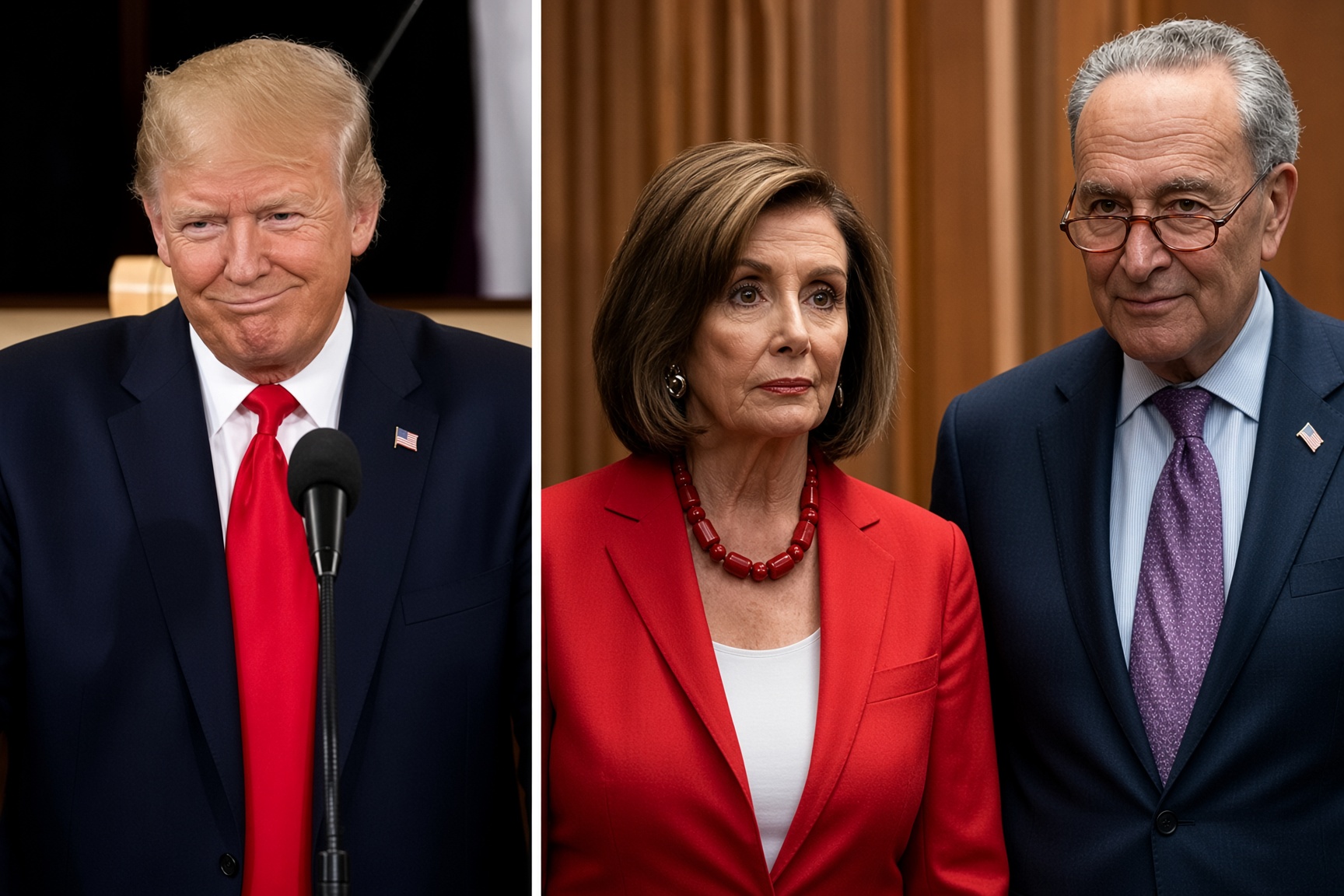
President Trump strongly endorsed the package, describing it as a “BIG WIN for U.S. ENERGY INDEPENDENCE and DOMINANCE.” He said the bill would “ensure that we can build Pipelines, Mines, and Power Plants faster than ever before, lowering Energy Costs for American Families.” Hours before the vote, however, Trump complicated the picture by reiterating his opposition to wind power. After learning that wind projects could benefit from some provisions, he told reporters, “Well, the bill hasn’t been fully negotiated. I will not approve wind turbines because wind turbines are a major loser.”
Those remarks raised immediate concerns among Democratic supporters, because the legislation includes protections for previously approved renewable-energy projects. Whitehouse emphasized that implementation of those provisions would be essential to holding Democratic support. “The bill’s success depends on Trump officials getting wind turbines up and spinning to get affordable energy on the grid,” he said. The White House later reaffirmed that Trump “stands 100%” behind the permitting bill despite his comments on wind turbines.
Democratic divisions persist. Senate Minority Leader Chuck Schumer backed the motion to begin debate but said he still has “outstanding concerns” that he plans to address through amendments. Democratic Sen. Catherine Cortez Masto of Nevada has warned she could oppose final passage unless provisions involving the National Historic Preservation Act are revised. Republican Sen. Lisa Murkowski of Alaska has voiced similar reservations.
Several environmental organizations and Native American groups oppose the legislation, arguing that it could weaken environmental safeguards and tribal protections. In response, supporters released revised language over the weekend intended to strengthen tribal consultation requirements and expand opportunities for states and tribes to participate in transmission planning. Heinrich said the updates addressed concerns raised during negotiations. “Americans can’t afford to wait for lower electricity prices,” he said. “We need to pass this bill now.”
The proposal also tackles rising electricity demand from artificial-intelligence data centers. Large data centers would be required to contribute more toward the grid improvements needed to accommodate their substantial power consumption, rather than shifting those costs onto residential customers.
Despite the strong procedural vote, passage is far from assured. The Senate must still consider amendments and approve the final text before the House can take up the measure. With the lame-duck calendar limited and remaining policy disagreements over environmental reviews, tribal consultation, historic-preservation rules, and renewable-energy implementation, negotiators face a compressed timeline to convert Monday’s procedural win into enacted law.